
< 2 Hours
Emergency Air Quotes
Immediate tariff and charter flight quoting for time-critical AOG automotive requests, available 24/7/365.

Navigating global OEM supply chains, emergency AOG response, SABER customs compliance, and future procurement trends across Saudi Arabia and the Middle East.
In modern automotive supply chains, an unscheduled assembly line shutdown can cost upwards of $22,000 per minute. This technical guide outlines how leading automotive procurement managers, Tier-1 OEM suppliers, and aftermarket distributors mitigate supply chain vulnerabilities using targeted automotive spare parts air cargo solutions. We examine high-priority transit protocols, Dangerous Goods (DG) handling under IATA DGR, Saudi Arabian SABER certification requirements, and emerging 2026–2030 sourcing trends.
The global automotive manufacturing and aftermarket ecosystem operates on lean inventory principles, including Just-In-Time (JIT) and Just-In-Sequence (JIS) delivery models. While ocean freight handles bulk production shipments, air cargo functions as the indispensable emergency valve and fast-track pathway for high-value, time-critical automotive components.
When unexpected disruptions occur—whether caused by tier-supplier raw material shortages, regional maritime bottlenecks, or sudden spikes in dealer warranty claims—air charter and express air freight become the sole mechanism to preserve operational continuity. For automotive importers and distributors operating across Saudi Arabia (KSA) and the wider Gulf Cooperation Council (GCC) region, mastering air cargo logistics requires an end-to-end understanding of transit velocity, airport ground handling procedures, regulatory compliance, and last-mile cold chain integrity.

Automotive spare parts encompass a vastly diverse spectrum of physical profiles, weights, and regulatory hazards. Effective air cargo logistics requires segmenting components into technical categories to apply appropriate Unit Load Devices (ULD), packaging protection, and airline acceptance protocols.
| Category | Representative Components | Primary Handling Risk / Hazard | Recommended Air Cargo Solution |
|---|---|---|---|
| Electronics & Sensors | ECUs, Radar Modules, Wiring Harnesses, LiDar Units | Electrostatic Discharge (ESD), Moisture, Vibration | Anti-static foil vacuum packaging, Express NFO Air Parcel |
| Dangerous Goods (DG) | Airbag Inflators, Seatbelt Pre-tensioners, Shock Absorbers | Class 1 Explosives, Class 2 Compressed Gas | UN-certified packaging, Dangerous Goods Declaration (DGD) |
| EV Powertrain | Lithium-ion Battery Packs, Battery Cells, Inverters | Class 9 Lithium Battery Thermal Runaway Risk | IATA PI 965/967 compliant temperature-monitored ULDs |
| Heavy Mechanical | Engine Blocks, Gearboxes, Crankshafts, Axles | Excess Weight, Oil Residue, Structural Imbalance | Heavy-duty wooden crating, Freighter Main-Deck Charter |
| Body & Aesthetics | Windshields, Moldings, Aluminum Doors, Quarter Panels | Scratch Damage, Fragility, Volumetric Weight Distortion | Custom shock-absorbing frames, Priority Cargo Consolidation |
Shipping automotive spare parts by air into Saudi Arabia demands absolute compliance with Saudi Standards, Metrology and Quality Organization (SASO) directives, Zakat, Tax and Customs Authority (ZATCA) regulations, and international air transport standards. Under Google’s Search Quality Rater Guidelines, establishing Experience, Expertise, Authoritativeness, and Trustworthiness (E-E-A-T) requires demonstrating real-world operational execution across these complex regulatory hubs.

As global automotive original equipment manufacturers (OEMs) shift rapidly toward Electric Vehicles (EVs), Autonomous Driving systems, and localized micro-factories, the nature of automotive air cargo is undergoing a structural transformation. Procurement directors must align their supply chain strategies with these key emerging trends:
Modern automotive procurement systems no longer react merely to stockouts. Enterprise Resource Planning (ERP) engines integrated with AI intent-mining models analyze dealer telemetry and regional repair trends to predict failure rates of specific component batches. Air freight forwarders are expected to provide pre-allocated air capacity slots on high-density routes (e.g., Frankfurt to Riyadh, Shanghai to Dammam, Detroit to Dubai) based on predictive supply signals.
The acceleration of EV adoption across Saudi Arabia—fueled by Lucid Motors and Ceer local manufacturing plants—has generated unprecedented demand for temperature-regulated air cargo logistics for high-voltage battery modules. Transporting lithium-ion batteries by air requires specialized temperature-controlled ULD containers maintained between 15°C and 25°C to prevent cell degradation and thermal runaway risks.
While regional manufacturing hubs are growing, critical precision components (e.g., semiconductor chips, specialized sensors) remain concentrated in specialized industrial clusters. To bridge geographic distances, auto manufacturers rely on a hybrid strategy: regional hub-and-spoke warehousing paired with dedicated charter flights for emergency component replenishment.
The global push for automotive sustainability has expanded reverse air cargo flows. Damaged high-value cores, defective EV power units, and warranty-claimed electronic modules are air-freighted back to central OEM refurbishment centers in Europe or East Asia for remanufacturing and technical diagnostics.
This closed-loop air cargo process requires specialized customs temporary export documentation (ATA Carnet or Saudi temporary re-export permits) to avoid duplicate duty tariffs on re-imported components.

The Middle East automotive supply chain landscape is evolving rapidly. Historically, many automotive importers relied on sea-air multimodal transit through regional ports to balance cost and speed. However, recent geopolitical disruptions in key maritime lanes have highlighted the vulnerability of ocean transit, causing procurement managers to favor direct express air freight and dedicated freighter charters.
Nuraak Gulf Company provides an end-to-end, single-operator solution designed specifically to overcome the hand-off friction that degrades traditional automotive logistics chains. Rather than brokering freight to detached third parties, Nuraak Gulf maintains complete operational control over every leg of the journey.
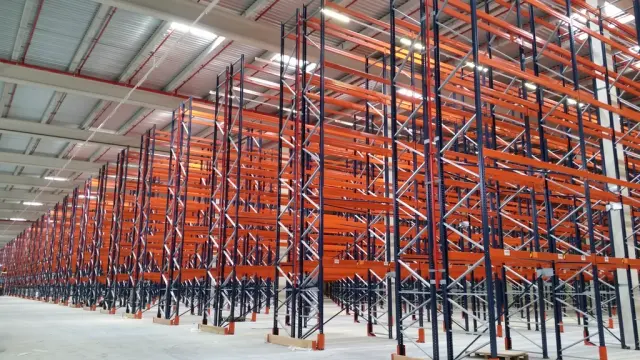
Below are semantic analysis answers to the most common questions global procurement directors, OEM sourcing managers, and logistics planners ask when procuring automotive spare parts air cargo solutions.
Essential compliance, operational, and financial answers for international automotive buyers sourcing air freight into Saudi Arabia and GCC markets.
Need Immediate Air Cargo Support?
Connect with our 24/7 automotive air freight desk for instant freight quotation and SABER compliance verification.
For urgent line-stoppage or AOG emergencies, Nuraak Gulf offers Next-Flight-Out (NFO) and dedicated aircraft charter services. Transit times from major European hubs (e.g., Frankfurt, Paris) or Asian gateways (e.g., Shanghai, Tokyo) to Dammam (DMM) or Riyadh (RUH) typically range between 12 to 24 hours. Paired with pre-cleared FASAH electronic documentation, final delivery to assembly lines or workshops is completed within hours of tarmac landing.
SABER is Saudi Arabia's mandatory online conformity portal under SASO. Most automotive spare parts—including brake pads, tires, safety glass, belts, and electronic sensors—require a Product Certificate of Conformity (PCoC) issued by an accredited body. Additionally, each air waybill requires a Shipment Certificate of Conformity (SCoC). Attempting air freight without active SABER certificates leads to immediate customs holding and severe demurrage charges at the airport terminal.
Hazardous components are governed strictly under IATA Dangerous Goods Regulations (DGR). Airbag inflators (Class 1 or Class 9 depending on pyrotechnic composition) require UN-approved outer packaging, specific labeling, and a signed Dangerous Goods Declaration (DGD). Electric Vehicle lithium-ion batteries (UN 3480 / UN 3481) must conform to State of Charge (SoC) caps (typically ≤30%) and be transported in temperature-controlled ULD containers on freighter aircraft.
Yes. Nuraak Gulf operates an integrated regional hub-and-spoke network. Air cargo landing at Dammam (DMM) or Riyadh (RUH) can be cleared under bonded transit status and immediately trucked on our company-owned fleet across border posts such as Al Batha into the UAE, Bahrain Causeway into Bahrain, or onward to Kuwait, Qatar, and Oman with full customs manifest handling.
Air freight rates are calculated based on Chargeable Weight, which is the greater of actual gross weight or volumetric weight. The standard IATA volumetric conversion formula is (Length × Width × Height in cm) / 6000 = Volumetric Weight in kg. Bulky items like bumpers or body panels often have high volumetric weight despite low physical mass. Nuraak Gulf minimizes volumetric penalties through custom nested packaging and consolidation strategies.
Measurable metrics and direct infrastructure supporting global automotive OEMs and aftermarket networks.
< 2 Hours
Immediate tariff and charter flight quoting for time-critical AOG automotive requests, available 24/7/365.
100% In-House
Direct customs brokerage team dedicated to air port entries, avoiding third-party handoff delays.
Air-Ride Fleet
Company-owned trailers equipped with GPS telemetry for shock-sensitive electronic control units and engines.
Live Telemetry
Automated updates at tarmac pickup, airport customs release, highway dispatch, and final delivery site.
Contact our senior automotive freight strategists today. Send us your part numbers, HS codes, origin airport, and destination for an immediate technical quote and SABER pre-check.