

Logistics Knowledge & News
Saudi Logistics & Freight Insights
Practical guides, regulatory compliance updates, and freight intelligence from our operational desk in Saudi Arabia.
Blog
Top 10 Chilled Food Cold Chain Transport Tips
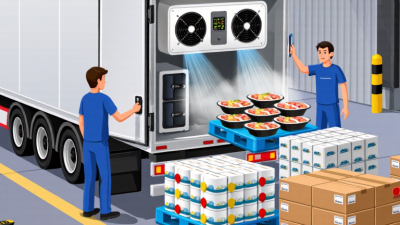
Chilled food cold chain transport depends on more than a refrigerated truck. It requires steady temperature control at every handoff, from the packing room to the customer’s door. A brief delay beside an open loading-bay door can warm exposed cartons, while poor airflow may leave some pallets colder than others. Small gaps matter.
The right temperature depends on the product. Dairy, fresh meat, seafood, and prepared meals may each have different handling needs, so teams should follow product specifications and verify conditions with suitable, calibrated monitoring devices. Before loading, check the vehicle, inspect seals, confirm the cooling unit is operating, and make sure goods are packed to allow air to circulate. Record temperatures and times; memory is not a reliable log.
This guide presents ten practical tips for reducing avoidable temperature swings, delays, and handling errors. It covers pre-cooling, careful loading, route planning, monitoring, staff communication, and delivery checks. These steps can improve consistency, but they cannot make every shipment risk-free. A sensor can fail, traffic can build, and a rushed handoff can undo careful preparation. That is worth remembering. Review the records after delivery, investigate readings that seem unusual, and adjust procedures when real-world results expose a weak spot. The process is never perfect, but disciplined checks make problems easier to spot and address.
Read more »
 By:Eleanor
- November 2, 2026

7 Best Tips for SFDA Food Customs Clearance Saudi Arabia?
Importing food into Saudi Arabia requires more than a complete invoice and a compliant shipment. The process connects the Saudi Food and Drug Authority, customs systems, importers, manufacturers, and logistics providers. That is why understanding SFDA food customs clearance Saudi procedures can prevent expensive storage delays and product rejection.
Dr. Hisham Aljadhey, former Chief Executive Officer of the Saudi Food and Drug Authority, stated, “Food safety is a shared responsibility.” This principle matters at the border. An importer must verify product registration, manufacturer details, Arabic labeling, shelf-life requirements, and supporting certificates before dispatch. A missing ingredient declaration can create more trouble than a damaged carton. Small details matter.
This guide presents seven practical tips for SFDA food customs clearance Saudi operations. It covers document preparation, HS-code accuracy, importer authorization, label review, shipment temperature control, inspection readiness, and communication with customs brokers. Keep commercial invoices, packing lists, certificates of origin, health certificates, and laboratory records consistent. Check dates twice. Use one product description across every document.
No checklist removes every delay. That is the uncomfortable truth. Regulations and electronic procedures can change, while different products may require different evidence. Therefore, experienced importers confirm current requirements through official SFDA channels before shipping. They also allow time for clarification, sampling, or document correction. A reliable process is not rushed. It is checked, recorded, and improved after every shipment.
Read more »
 By:Ethan Mercer
- October 28, 2026

How to Charter a Ro Ro Vehicle Vessel in 2026?
Chartering a vehicle carrier in 2026 requires more than finding an available ship. Ro-Ro vehicle vessel chartering combines vessel selection, cargo planning, port coordination, documentation, and commercial risk control. A suitable vessel must match the vehicle volume, dimensions, weight distribution, deck height, and loading schedule. Even a small mistake can delay hundreds of cars at the ramp.
This guide explains how experienced shippers can evaluate vessels, compare chartering options, and prepare reliable booking instructions. It covers vessel capacity, lane meters, ramp strength, deck configuration, fuel arrangements, port compatibility, insurance, and survey requirements. Readers will also see why delivery windows should include realistic buffer time. Weather, port congestion, customs inspections, and berth changes can affect the original plan.
Details matter.
A professional charterer should request verified vessel particulars, recent class information, maintenance records, and documented port experience. Clear cargo data improves quotations and reduces later disputes. However, no checklist is perfect. Vehicle dimensions may change, terminal conditions can differ, and early assumptions sometimes prove wrong. Careful review remains essential.
The following sections offer a practical framework for negotiating a 2026 charter. They focus on transparent communication, documented responsibilities, and safe cargo handling. The goal is not merely to secure space, but to build a dependable transport plan from factory gate to receiving terminal.
Read more »
By:Eleanor
- October 23, 2026

China Top Automotive Spare Parts Air Cargo Suppliers?
China Top Automotive Spare Parts Air Cargo Suppliers? This question matters when a delayed component can stop an assembly line. Automotive spare parts air cargo connects Chinese manufacturers with distributors, repair networks, and factories worldwide. It supports urgent shipments of sensors, brake components, electronic modules, and lightweight engine parts.
The International Air Transport Association reported that global air-cargo demand increased 11.3% year on year in 2024, reaching a record level. Its industry analysis also showed stronger international cargo activity and rising capacity across major trade lanes. The WorldACD Market Data report identified continued growth in premium and time-sensitive air-freight demand. These figures explain why supplier selection now involves more than freight rates. Transit visibility, airport handling, packaging quality, customs documentation, and dangerous-goods compliance all require careful review.
As IATA Director General Willie Walsh has stated, “Air cargo is a vital component of the global economy.” That observation applies directly to automotive supply chains. A reliable supplier should provide shipment milestones, export experience, secure warehouse procedures, and contingency routing through gateways such as Shanghai, Shenzhen, Guangzhou, and Zhengzhou. A 120-kilogram gearbox may need different handling from a carton of electronic sensors. Details matter.
No supplier is perfect. Some published performance claims remain difficult to verify. This guide therefore compares practical evidence, including service coverage, response speed, certifications, customer feedback, and handling capability. Readers should confirm current schedules and compliance requirements before choosing a partner. Cost matters, but production continuity usually matters more.
Read more »
By:Eleanor
- October 18, 2026

2026 Best Chemical Drum and ISO Tank Shipping Options?
The 2026 Best Chemical Drum and ISO Tank Shipping Options guide examines how safer packaging choices can reduce damage, delays, and unnecessary handling. Chemical drums ISO tank shipping now involves more than selecting the lowest freight rate. Product viscosity, temperature sensitivity, loading volume, route length, and port infrastructure all influence the right solution.
Richard Brough, a recognized ISO tank industry specialist, has often emphasized that safety must remain the first consideration in every tank journey. That principle still matters in 2026. A sealed ISO tank may suit large, repeat shipments, while certified chemical drums can offer greater flexibility for smaller consignments. The correct choice depends on the material and the supply chain.
Details matter.
A practical review should compare drum material, closure quality, pallet stability, tank inspection status, cleaning records, and emergency response procedures. It should also check whether carriers and facilities follow applicable packaging, labeling, documentation, and transport requirements. A strong provider can explain these controls clearly, without hiding behind vague promises.
Experience also exposes uncomfortable gaps. The cheapest option may create higher costs through transloading, storage, leakage risks, or missed delivery windows. Even a well-designed plan can fail when weather changes, paperwork is incomplete, or local handling equipment is unavailable. That is why this guide compares chemical drums and ISO tanks through real operating conditions, not marketing language. Some recommendations may require revision as regulations, equipment, and customer expectations change.
Read more »
 By:Oliver Bennett
- October 13, 2026

China Best Bulk Resin Suppliers for Jubail Petrochemical Logistics
Jubail is becoming a critical gateway for Saudi Arabia’s petrochemical and manufacturing supply chains. China remains a major global plastics producer. PlasticsEurope’s Plastics – the Fast Facts 2023 reported global plastics production of approximately 400 million tonnes in 2022. China represented the largest regional share. This scale supports competitive sourcing for polyethylene, polypropylene, ABS, PVC, and engineering resins.
Reliable supply requires more than a low quotation. It requires product consistency, export experience, and disciplined documentation. The United Nations Conference on Trade and Development reported that maritime transport carries over 80% of global merchandise trade by volume. Therefore, container planning strongly affects Jubail petrochemical bulk resin logistics. A professional supplier should provide clear specifications, batch-level traceability, certificates of analysis, safety data sheets, and suitable packaging for Gulf conditions. FIBC bags, palletized bags, and moisture-resistant liners can reduce contamination during long transit.
The best China suppliers for Jubail should also understand Saudi import procedures, port coordination, and delivery scheduling. The World Bank’s Logistics Performance Index 2023 highlights customs efficiency, infrastructure, shipment reliability, and tracking as key logistics factors. These points deserve practical verification, not polished promises. A supplier may offer excellent resin but still create delays through weak loading control or incomplete documents.
Small details matter. A damaged liner can ruin a shipment. This outline evaluates resin quality, production capability, compliance support, freight coordination, and after-sales responsiveness. It also considers an uncomfortable reality: the cheapest offer may become the most expensive option after demurrage, reinspection, or production interruption. Through a documented, evidence-based comparison, buyers can identify dependable partners for Jubail’s demanding petrochemical supply chain.
Read more »
By:Eleanor
- October 8, 2026
What Is Heavy Plant Equipment Lowbed Transport?
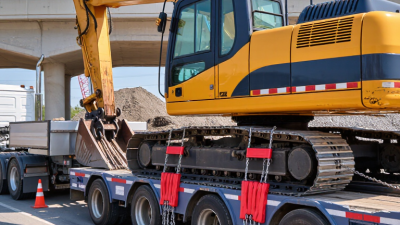
Heavy plant equipment lowbed transport is a specialized service for moving excavators, cranes, bulldozers, loaders, and other oversized machinery. It uses a lowbed trailer with a lowered deck, reducing overall height and improving stability during transit. This detail matters when equipment must pass beneath bridges, power lines, and restricted access points.
The work begins with accurate measurements, including height, width, length, weight, and ground clearance. A transport planner then studies the route, turning radius, road surface, bridge limits, and loading conditions. David Heller, a senior voice within the Specialized Carriers & Rigging Association, has stated, “A successful heavy-haul move begins long before the truck arrives.” That principle remains practical. A missed measurement can create delays, unsafe loading, or costly equipment damage.
Experienced crews inspect ramps, chains, binders, tires, and trailer positioning before departure. They also check the machine’s center of gravity and secure movable components. It is not simply a larger truck carrying a larger load. Every movement requires coordination between the operator, driver, site team, and route planner.
Some projects appear straightforward. They are not.
Weather, soft ground, narrow entrances, and changing site conditions can challenge even careful plans. This guide explains how Heavy plant equipment lowbed transport works, why preparation controls risk, and which details deserve closer attention. It also recognizes an uncomfortable truth: perfect planning does not remove every uncertainty. It only makes problems easier to identify, manage, and correct.
Read more »
By:Ethan Mercer
- October 3, 2026

7 Tips for Shipping Facade Cladding Project Cargo
Facade panels may look light beside steel beams, but they are awkward, fragile, and unforgiving to poor handling. A scratched finish, cracked corner, or delayed delivery can disrupt installation and leave a visible mark on the finished building. Facade cladding project cargo therefore needs more than a booking and a truck. It needs a plan shaped around panel dimensions, packing details, lifting points, route limits, and the site’s unloading sequence.
This guide offers seven practical tips for moving cladding safely and predictably. It considers how to confirm measurements, select suitable packing, protect edges, coordinate transport, and prepare for arrival. A few centimetres can matter. So can a narrow gate, a wet loading area, or a crane that is already committed elsewhere. These details are easy to miss on a spreadsheet. They are harder to fix at the curb.
No verified expert quotation was supplied, so the following is an illustrative line, not a sourced quote. A fictional composite cargo planner, Elena Ward, captures the central idea: “Protect the panel, plan the handoff, and never assume the site is ready.” That advice sounds simple. It is. Yet teams still discover gaps between the shipping plan and site reality. This introduction does not pretend every project follows one formula; cladding materials, packaging, routes, and handling needs vary. The tips ahead provide a careful starting point, with room for project-specific checks before cargo moves.
Read more »
By:Oliver Bennett
- September 28, 2026

Top 10 Structural Steel Site Logistics Solutions?
Structural steel site logistics is becoming a decisive factor in project safety, productivity, and cost control. Steel arrives in large, sequenced loads, often with limited storage space. One misplaced beam can block an access route, delay a crane lift, and disrupt several trades. The World Steel Association reports that construction consumes roughly half of global steel demand. This scale makes delivery planning more than an administrative task. It becomes a project-control discipline.
Industry evidence supports that urgency. McKinsey’s Reinventing Construction report found construction productivity grew by only about 1% annually over two decades. Deloitte’s 2024 Engineering and Construction Industry Outlook also highlights labor shortages, cost pressure, and digital coordination challenges. These pressures explain why the Top 10 Structural Steel Site Logistics Solutions focus on practical controls. They include delivery time windows, barcode tracking, lifting-zone planning, weather checks, and clearly marked laydown areas. Small improvements matter. A labeled bundle can save minutes during a lift. Repeated across hundreds of members, those minutes become measurable schedule protection. Good logistics also protects workers by separating vehicles, pedestrians, and crane operations.
Still, no plan survives every site condition. Design revisions, traffic restrictions, wet ground, and late inspections can quickly change the sequence. That weakness deserves attention. Technology cannot repair poor communication or unrealistic schedules. Effective teams combine digital models with daily field briefings, verified delivery records, and experienced supervision. The solutions in this guide therefore emphasize evidence, site observation, and continuous correction. They are not shortcuts. They are repeatable methods for moving steel safely, visibly, and at the right time.
Read more »
By:Eleanor
- September 23, 2026

7 Tips for Wellhead Equipment Land Transport
Wellhead equipment land transport demands more than a suitable truck. It requires disciplined planning, verified dimensions, controlled loading, and constant communication. A single wellhead assembly can weigh several tonnes. Its flanges, valves, and pressure-control components may also suffer damage from vibration, impact, or poor restraint.
The International Association of Oil & Gas Producers (IOGP) identifies land transportation as a major safety exposure in its annual Safety Performance Indicators reports. IOGP Report 365-01 also emphasizes journey planning, vehicle standards, driver competence, and load security. API Specification 6A adds strict requirements for wellhead and Christmas tree equipment integrity. These references support the seven practical tips covered here, from route surveys to final receiving inspections.
Safety researcher Sidney Dekker offers a useful reminder: “Safety is the presence of capacity to make things go right.” That principle fits Wellhead equipment land transport. Teams need capacity to stop, reassess, and correct weak decisions. Sometimes, the safest choice is a delay.
This guide focuses on real transport details. Check bridge clearances before dispatch. Protect exposed studs and sealing surfaces. Photograph tie-down points. Confirm trailer capacity with documented calculations. Inspect the equipment again after unloading.
Not every risk is visible.
A perfect checklist cannot replace experienced judgment. Weather, road construction, unexpected escorts, and incomplete packing records can still disrupt a journey. These seven tips therefore combine industry guidance with practical caution, helping transport teams move critical equipment safely, securely, and with fewer avoidable surprises.
Read more »
By:Oliver Bennett
- September 18, 2026

Top Rig Spares Air Freight Saudi Arabia Suppliers?
Selecting the right supplier for Rig spares air freight Saudi Arabia requires more than comparing freight rates. Oilfield operations depend on accurate documentation, secure handling, and dependable delivery windows. A delayed seal kit, valve actuator, or hydraulic fitting can keep a rig inactive for hours or days.
The International Air Transport Association reported that global air cargo demand increased by 11.3% in 2024, measured in cargo tonne-kilometres. Available capacity grew by 7.4% during the same period. These figures show strong market activity, but they do not measure rig-spare shipments specifically. A ranking can mislead.
Saudi Arabia’s National Industrial Development and Logistics Program continues to support the Kingdom’s position as a regional logistics hub. Therefore, reliable suppliers should demonstrate local customs knowledge, airport coverage, and practical oilfield experience. Strong candidates can usually provide shipment tracking, export-control screening, insurance options, and clear procedures for urgent consignments.
Experience matters.
Supplier assessments should examine response times, packaging quality, and after-hours support. A professional provider should also follow IATA Dangerous Goods Regulations when shipments contain batteries, pressurized equipment, or regulated materials. The International Air Transport Association identifies compliance and handling discipline as essential to safe air cargo operations.
Some suppliers advertise speed without showing performance evidence. That deserves caution. Ask for measurable transit records, customer references, and escalation contacts before choosing a partner. The best provider may not offer the lowest quote. It should offer traceability, technical understanding, and predictable delivery from international origins to Saudi rig sites.
Read more »
By:Eleanor
- September 11, 2026

China Best Oilfield Drilling Consumables Freight Costs?
China Best Oilfield Drilling Consumables Freight Costs? This question matters to drilling contractors, distributors, and procurement teams managing tight field schedules. Freight pricing can change quickly, even when the product price remains stable. A shipment of drill bits, stabilizers, mud-pump parts, or wear-resistant tools may require different handling, packaging, and transport planning.
Oilfield drilling consumables freight usually depends on cargo weight, dimensions, origin port, destination, and delivery terms. Ningbo, Shanghai, Qingdao, and Shenzhen may offer different routing options. Ocean freight often suits heavy, regular shipments, while air freight can support urgent replacement parts. Crating, palletization, documentation, customs services, insurance, and terminal charges also affect the final landed cost. Oversized components may face additional handling fees. Some products may require special classification checks before dispatch.
Reliable cost evaluation begins with a complete packing list and verified technical details. Experienced suppliers should provide commercial invoices, packing information, shipping schedules, and clear Incoterms. Buyers should request comparable quotations from qualified forwarders, then confirm validity periods. Prices can change after booking.
That is the difficult part.
A low quotation may exclude destination charges or port storage. A higher quote may include better tracking and fewer transfer risks. I have found that early estimates are useful, but they are not perfect. Weather, congestion, exchange rates, and seasonal demand can alter the result. This guide examines practical freight-cost factors, supplier communication, and risk controls for shipping drilling consumables from China. It also highlights questions buyers should ask before approving a purchase order.
Read more »
By:Ethan Mercer
- September 11, 2026