
Wellhead Equipment Land Transport in Saudi Arabia & GCC:
Technical Engineering, Compliance & Field Logistics
A comprehensive operational manual for upstream energy buyers, logistics managers, and oilfield service contractors moving high-pressure wellhead assemblies, Blowout Preventers (BOPs), casing spools, and Christmas trees across Saudi Arabia and the GCC.
Executive Engineering Summary: Managing High-Stakes Wellhead Equipment Movements
Transporting upstream wellhead equipment across Saudi Arabia and the broader Gulf Cooperation Council (GCC) region represents one of the most demanding sub-disciplines in project cargo logistics. Unlike standard containerized freight, wellhead components—including high-pressure surface Christmas trees, casing heads, tubing spools, choke manifolds, and heavy blowout preventer (BOP) stacks—are ultra-heavy, asymmetrical, highly value-dense, and critically sensitive to structural impact or environmental contamination.
A single damaged API 6A flange face, deformed ring joint groove, or bent valve stem during land transport can trigger millions of dollars in Non-Productive Time (NPT) at active onshore drilling rigs in Haradh, Shaybah, or the Jafurah unconventional gas basin. Furthermore, with Saudi Aramco and GCC national oil companies enforcing stringent safety mandates, land transport is no longer merely a trucking service; it is an integrated engineering and regulatory process.
This technical guide provides global procurement teams, EPC contractors, and oilfield logistics specialists with an in-depth breakdown of transport asset engineering, axle load distribution calculations, route survey protocols, SABER/FASAH customs compliance, and future procurement strategies required for wellhead equipment land transport.
Information Gain Insight: The Cost of Handover Friction
Traditional oilfield logistics breakdowns rarely occur during high-speed highway transit. Over 82% of documented field delays stem from handover seams—disconnects between port clearance brokers, third-party heavy haulage subcontractors, and remote site offloading teams. By consolidating customs clearance, route permits, and transport under a single accountable operator with company-owned assets, project risk is reduced to near zero.
Core Challenges in Wellhead Equipment Land Transport
Wellhead equipment presents distinct physical and operational hazards that must be addressed during the pre-transport engineering phase:
- Extreme Concentrated Mass & High Center of Gravity (CoG): Assembled Christmas trees and multi-ram BOP stacks can weigh between 15 and 110 metric tons while possessing a compact footprint. This creates high point-loading on trailer decks and elevates the vehicle’s center of gravity, increasing tip-over risks during off-road desert maneuvers.
- Critical Surface & Machining Sensitivity: API 6A 10,000 PSI to 15,000 PSI rated flanges and metal-to-metal sealing surfaces cannot tolerate microscopic scratches or flex distortion. Steel-to-steel contact with trailer beds or chain lashings without engineered elastomeric or hardwood dunnage is strictly unacceptable.
- Out-of-Gauge (OOG) Road Encroachment: High-pressure side-outlet valves and control lines often extend beyond standard trailer widths (2.6 meters) and height envelopes (4.2 meters), triggering mandatory Ministry of Transport (MOT) escort protocols across Saudi arterial highways.
- Remote Well Site Off-Road Access: Moving cargo from primary asphalt highways onto unpaved desert marl tracks requires heavy-duty 6x6 or 8x8 prime movers equipped with central tire inflation systems (CTIS) to navigate soft sand without chassis twisting.
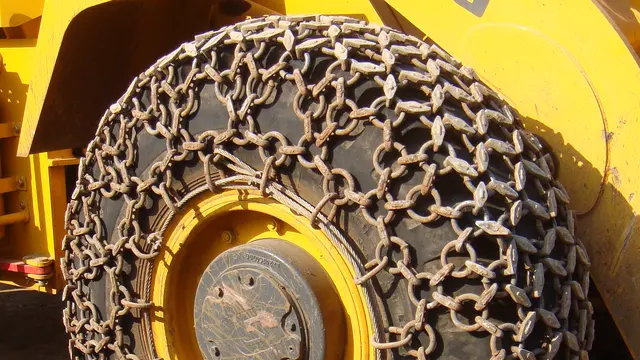
Specialized Heavy Fleets
Company-owned multi-axle hydraulic trailers, heavy lowbeds, and drop-deck trailers equipped with air suspension and dynamic load balancing.
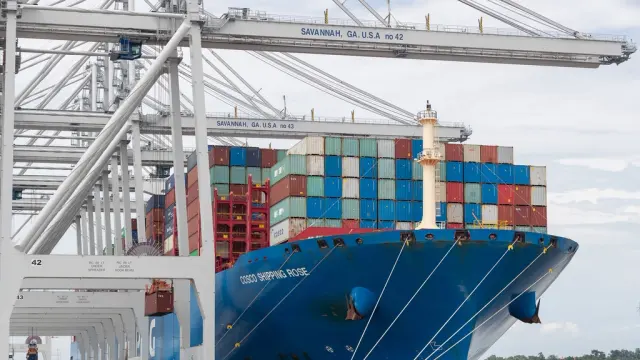
Route Engineering
3D swept-path analysis, overhead bridge clearance surveys, and Ministry of Transport (MOT) permits for out-of-gauge (OOG) wellhead stacks.

Regulatory Compliance
In-house FASAH pre-clearance, SABER Product & Shipment Certificates, and Saudi Customs inspection management at ports and borders.
Why Global Procurement Leaders Partner with Nuraak Gulf
Direct Transport Control
We do not broker your critical wellhead shipments to third-party owner-operators. We deploy our own maintained heavy lowbeds and multi-axle trailers.
FASAH & SABER Integration
Our licensed customs brokers file entry manifests prior to vessel berthing, resolving technical HS code queries directly with customs authorities.
Bicoastal Port Access
Full operational coverage across Dammam, Jubail, Jeddah Islamic Port, King Abdullah Port, Yanbu, Al Batha, and Dry Port Riyadh.
Demurrage Prevention
Real-time free-time monitoring ensures trailers are positioned at port gates before demurrage or storage charges begin to accrue.
Need Heavy Transport Specifications for Your Wellhead Tender?
Request our complete equipment catalog, fleet axle ratings, and safety accreditation documentation directly from our engineering desk.
Product Transport Recommendations & Trailer Matching
Selecting the appropriate land transport asset depends on the geometry, weight class, and sensitivity of the specific wellhead assembly. The table below outlines our standardized transport configurations:
| Wellhead Component | Typical Weight Range | Recommended Transport Asset | Securing & Protection Protocol | Clearance & Transit Profile |
|---|---|---|---|---|
| Surface Christmas Tree (API 6A Assembled) | 12 – 35 Metric Tons | Extendable Lowbed Trailer (Air Suspension) | High-friction rubber mats, anti-scratch nylon webbing straps, flange face caps, wood dunnage. | FASAH standard clearance; 24-48 hr transit to Eastern Province rigs. |
| Blowout Preventer (BOP) Double Ram Stack | 45 – 110 Metric Tons | Hydraulic Multi-Axle Modular Trailer (SPMT) | Direct frame lashing with grade-100 chains, custom steel cradles, dynamic load compensation. | MOT abnormal load permit required; police escort & bridge survey mandatory. |
| Casing Head & Tubing Head Spools | 5 – 18 Metric Tons | Heavy-Duty Heavy Flatbed / Step-Deck Trailer | Recessed deck locking, shrink-wrap weather sealing, heavy-duty tarpaulins. | Standard road permit; cross-border GCC ready via Al Batha / Bahrain. |
| Choke & Kill Manifolds (Skid-Mounted) | 15 – 40 Metric Tons | Drop-Deck Lowbed with Hydraulic Ramp | Skid corner twist-locks, perimeter chain bindings, structural vibration isolators. | Standard land freight; direct delivery to remote well pads. |
| High-Pressure Gate Valves & Actuators | 3 – 12 Metric Tons | Curtain-Side Trailer / Rigid Flatbed | Internal cargo netting, palletized wooden crating, humidity-controlled wrapping. | Fast-track customs clearance; same-day dispatch from Dammam. |
Technical Lashing Standard: Friction & Dynamic Tensioning
All wellhead loads transported by Nuraak Gulf adhere to EN 12195 and Saudi MOT securing standards. Heavy steel-on-steel components are padded with minimum 8mm heavy-duty anti-slip rubber mats ($\mu \ge 0.6$). Lashing angles are calculated electronically to ensure forward restraining forces equal at least 80% of total payload weight, while sideways and rearward restraint parameters equal 50%.
Key Trends Shaping Oilfield Equipment Transport
As international oil companies (IOCs), oilfield service providers (SLB, Baker Hughes, Halliburton, Weatherford), and EPC contractors expand their footprint across the Middle East, four major trends are reshaping procurement strategies for wellhead equipment transport:
1. Acceleration of Unconventional Gas Projects (Jafurah Basin Expansion)
The aggressive development of non-conventional gas reserves in Saudi Arabia requires unprecedented volumes of high-pressure, sour-gas (H2S) rated wellhead assemblies. Logistics providers must scale multi-axle trailer availability and maintain 24/7 rig-site delivery schedules to support multi-well pad drilling campaigns without inventory bottlenecks.
2. Integration of Real-Time Load Telemetry & Environmental Monitoring
Procurement teams increasingly demand live visibility beyond simple GPS tracking. Modern wellhead transport mandates multi-axis shock sensors, digital tilt indicators, and ambient temperature/humidity logging during transit across severe desert environments where temperatures exceed 50°C (122°F).
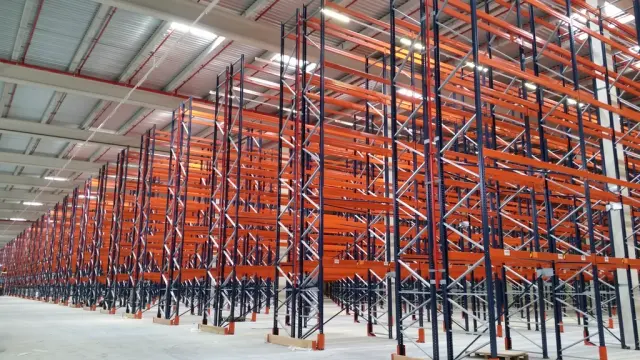
Bonded Staging Yards
Secure, monitored open yard storage in Dammam and Jubail for temporary staging of wellhead inventory prior to field call-off.
End-to-End Freight Integration
Seamless door-to-door forwarding combining ocean breakbulk or air charter with final-mile land transport on a single bill of lading.
3. Stringent In-Kingdom Total Value Add (IKTVA) Compliance
Operators are prioritizing logistics vendors with high IKTVA localization scores. By investing in local Saudi driver training, maintaining fully Saudi-registered trailer fleets, and operating established maintenance facilities in Dammam and Jubail, Nuraak Gulf ensures clients meet their localized procurement targets.
4. Shift Towards Turnkey 4PL Oilfield Logistics Management
Energy companies are abandoning fragmented vendor models in favor of single-source 4PL partners who manage everything from origin sea freight and SABER compliance to customs clearance, bonded staging, and final well pad positioning.
GCC Infrastructure & Cross-Border Haulage Evolution
Land transport across the GCC is undergoing rapid modernization driven by national infrastructure initiatives and economic integration:
- Cross-Border Corridor Optimization: Upgrades at the Al Batha (KSA-UAE) border crossing and the expansion of the Rub al-Khali (Empty Quarter) highway connecting Saudi Arabia to Oman have reduced transit times for oilfield machinery by up to 30%, enabling seamless cross-border wellhead redistribution.
- Expanded Bicoastal Port Connectivity: The strategic expansion of King Abdullah Port and Yanbu Industrial Port on the Red Sea coastline provides alternate entry gateways to traditional Arabian Gulf ports, allowing importers to route urgent rig components closer to Western Saudi exploration zones.
- Enhanced Environmental & Safety Enforcements: Strict enforcement of axle weight limits by the Saudi Public Transport Authority (PTA) prevents road degradation and forces hauliers to deploy modern hydraulic suspension trailers capable of distributing heavy point loads safely across regional bridges.
Frequently Asked Questions
Clear, definitive answers to technical land transport, customs, and field execution questions asked by global oilfield buyers.
Need Urgent Route Planning?
Contact our engineering dispatch desk for immediate equipment availability and route feasibility assessments.
How is out-of-gauge (OOG) wellhead equipment cleared at Dammam and King Abdulaziz Port?
Out-of-gauge wellhead components are inspected directly at terminal side. Our in-house licensed customs brokers file early FASAH pre-clearance using physical serial numbers and API technical datasheets. We coordinate heavy-lift mobile shore cranes to transfer cargo from ship tackle directly onto our waiting lowbed or multi-axle trailers, avoiding port storage penalties and demurrage.
What safety permits are required for transporting 100+ ton BOP stacks in Saudi Arabia?
Transporting heavy Blowout Preventers (BOPs) over 45 metric tons requires Ministry of Transport (MOT) abnormal load permits, bridge load calculations, structural safety approvals, and designated highway routes. Escort vehicles and regional traffic police escorts are mandated for loads exceeding 4.5 meters in width or 30 meters in length. Nuraak Gulf handles all permits in-house.
How do you protect flange faces and machined seals during rough desert transport?
Flange faces, ring grooves, and API threads are protected using heavy polymer flange covers, corrosion-inhibiting grease, plastic wrap, and custom wooden crating. Equipment is secured with rubber friction mats underneath load bearing points to eliminate steel-to-steel sliding and vibration damage during transit across unpaved desert roads.
What is the process for cross-border wellhead land transport from UAE/Bahrain to Saudi drilling fields?
Cross-border movements via Al Batha (UAE) or King Fahd Causeway (Bahrain) require unified GCC TIR carnets, export declarations, and SABER shipment certificates. Nuraak Gulf manages border customs clearance at the frontier with our own dedicated staff, re-manifesting loads onto Kingdom-compliant transport for direct delivery to active rig sites.
How does SABER conformity apply to imported wellhead valve assemblies?
Under Saudi Standards, Metrology and Quality Organization (SASO) rules, pressure-retaining valves and wellhead assemblies require a Product Certificate of Conformity (PCoC) and a Shipment Certificate of Conformity (SCoC) on the SABER portal prior to port arrival. Nuraak Gulf verifies HS codes and certification prior to shipping to ensure immediate clearance.
What is the typical transit time from Dammam port to interior oilfields like Haradh or Shaybah?
Once cleared through port customs, standard land transit from Dammam to Haradh takes approximately 8–12 hours. Transport to remote southern locations like Shaybah takes 24–36 hours, factoring in driver rest shifts, convoy speed restrictions for heavy loads, and desert checkpoint validation.
Can Nuraak Gulf provide off-road crane offloading at active rig locations?
Yes. We offer turnkey site logistics including mobile crane dispatch (50 to 500-ton capacity), rigger crews, and ground mat placement to safely offload heavy wellhead assemblies directly onto cellars or pad storage areas in remote field conditions.
What lashing and securing standards are enforced under Saudi Ministry of Transport regulations?
Saudi MOT mandates certified direct chain lashings with calibrated turnbuckles for heavy oilfield equipment. Webbing straps are restricted to light components or protective covers. Rubber friction mats are mandatory to prevent steel sliding on trailer decks.
How are weather and extreme heat disruptions managed during heavy haul transport?
During peak summer months, tire temperatures on multi-axle trailers are monitored continuously. Heavy moves over 80 tons may be scheduled for night movements under MOT permits to prevent pavement damage and equipment overheating during extreme day temperatures.
What insurance cover is provided for multi-million dollar high-pressure wellhead assemblies?
Nuraak Gulf provides comprehensive Goods-in-Transit cover on all company-owned transport assets. For specialized high-value or long-distance international moves, we arrange single-voyage all-risk marine and land cargo insurance tailored to full declared replacement value.
Request Technical Fleet Availability & Transport Plan
Submit your wellhead weight, dimensions, origin port, and target rig site location. Our heavy haulage engineering desk will provide a route survey and landed quotation within 24 hours.