

Chilled Food Cold Chain Transport: Engineering Unbroken Thermal Compliance, SFDA Regulatory Clearance, & High-Yield GCC Logistics Solutions
Managing global chilled food supply chains demands more than standard reefer shipping. It requires rigorous temperature mapping (+0°C to +8°C), real-time IoT pulp-monitoring telemetry, fast-tracked Saudi Food and Drug Authority (SFDA) customs releases, and dedicated fleet assets across Saudi Arabia and the GCC.
In global food distribution, maintaining an uninterrupted cold chain for chilled food items is not merely an operational goal—it is a strict regulatory requirement and a core determinant of commercial viability. Unlike frozen foods, which possess significant thermal inertia, chilled perishable commodities (including fresh dairy, vacuum-packed proteins, ultra-fresh produce, processed deli lines, and pre-packaged culinary products) operate within narrow thermal windows, typically between +0.5°C and +5.0°C. A thermal variance of just 1.5°C above the recommended threshold for a period of two hours can accelerate microbial proliferation, compromise organoleptic qualities, and trigger immediate rejection by regulatory authorities such as the Saudi Food and Drug Authority (SFDA).
Global procurement teams navigating international trade lanes into Saudi Arabia, the UAE, Kuwait, Bahrain, Qatar, and Oman face compounded complexities: extreme ambient temperatures during Middle Eastern summer transit (frequently exceeding +50°C surface asphalt temperatures), stringent customs inspection protocols, complex SABER/SFDA digital compliance clearances, and multi-modal transfer risks. Nuraak Gulf Company provides an engineered, single-operator solution that removes handoff friction and delivers total cold chain integrity from origin factory loading through sea, air, or land carriage directly to regional distribution centres (DCs) and retail shelves.
At Nuraak Gulf, we operate on the premise that cold chain logistics is an exact engineering discipline. Cargo does not fail in the middle of transit; it fails at the micro-handovers—during loading dock exposure, delayed port customs inspections, uncalibrated reefer setpoints, or improper airflow management inside trailer cavities. We mitigate these risks by integrating owned transport assets, licensed in-house customs brokers, and real-time telemetry into a single accountable execution framework.
1. Thermal Profiling & Multi-Temperature Zone Specifications
Chilled food transport cannot be managed with a one-size-fits-all refrigeration setting. Different perishable categories exhibit distinct respiration rates, moisture sensitivity, and critical high/low thermal limits. Freezing a chilled product due to overly aggressive air delivery temperatures (chill injury) is just as costly as thermal degradation caused by inadequate cooling. Nuraak Gulf employs precision multi-zone micro-climate controls across our fleet and storage facilities.
| Commodity Classification | Optimal Thermal Window | Relative Humidity (RH) | Critical Failure Mode | Monitoring Protocol |
|---|---|---|---|---|
| Vacuum-Packed Beef & Poultry | 0.0°C to +2.0°C | 85% - 90% | Lactic acid bacterial spoilage, purge loss | Dual pulp sensors, 10-min logging interval |
| Fresh Dairy, Pasteurized Milk & Cheeses | +2.0°C to +4.0°C | 75% - 85% | Fat destabilization, pathogen growth | Active return-air continuous feedback |
| Ultra-Fresh Produce (Leafy Greens, Berries) | +1.0°C to +3.0°C | 90% - 95% | Rapid ethylene buildup, wilting, mold | Ethylene scrubbing + humidity management |
| Chilled Ready-to-Eat (RTE) Meals & Delicatessen | +2.0°C to +5.0°C | 70% - 80% | Clostridium botulinum risk, shelf-life reduction | Sealed-door contact telemetry + GPS lock |
| Sub-Tropical Produce (Tomatoes, Citrus, Avocados) | +8.0°C to +12.0°C | 85% - 90% | Chilling injury, pitting, internal browning | Multi-zone airflow damper regulation |
Our reefer units utilize advanced micro-processor controllers that continuously analyze Supply Air Temperature (SAT) and Return Air Temperature (RAT). By maintaining a delta between SAT and RAT of less than 0.8°C across the container interior, we ensure that cargo at the rear door receives the identical micro-climate as cargo positioned adjacent to the refrigeration evaporator bulkhead.
2. Recommended Products & Cold Chain Infrastructure Solutions
To support global food brands, agricultural exporters, and regional supermarket chains, Nuraak Gulf deploys purpose-built, high-specification equipment tailored for Middle Eastern operating conditions.
Heavy-duty road haulage trailers featuring moveable internal acoustic bulkheads, dual-evaporator systems, and independent zone temperature control. Equipped with quiet diesel-electric hybrid APUs providing 96-hour continuous unassisted refrigeration during extended border stops.
Real-time cellular/satellite gateways broadcasting ambient air temperature, core pulp temperature, door open/close events, compressor status, and GPS spatial coordinates directly to our 24/7 Dammam Operations Control Center.
Climate-controlled dock seal shelters (+4°C ambient staging zones) operating at key logistical nodes including Dammam Port, Jeddah Islamic Port, Riyadh Dry Port, and Al Batha Border Crossing to prevent thermal spikes during trailer transfers.

Air Freight & Ocean Freight Perishable Corridors
For high-value, highly perishable products with shelf lives under 14 days (such as premium European berries or fresh Australian lamb cuts), air freight logistics via King Fahd International Airport (Dammam), King Abdulaziz International Airport (Jeddah), or King Khalid International Airport (Riyadh) is essential. We coordinate active temperature packaging (Envirotainer, CSafe passive thermal shippers) with tarmac temperature protection blankets and priority ramp handling.
For high-volume retail commodities, our ocean reefer forwarding services leverage 40-foot High-Cube Active Reefers equipped with Controlled Atmosphere (CA) technology (regulating O2 and CO2 concentrations to retard respiration rates). We manage liner space reservations, reefer plug-in monitoring at port terminals, and immediate power-hookup haulage upon discharge.
3. Navigating Regulatory Compliance & SFDA Clearance Protocols
One of the largest hurdles international chilled food exporters face when entering the Kingdom of Saudi Arabia is navigating regulatory compliance. The Saudi Food and Drug Authority (SFDA) enforces strict import inspection guidelines designed to protect public health and ensure food safety. Missteps in documentation or improper thermal logging can lead to container detention, mandatory re-exportation, or product destruction.

In-House Customs Clearance Capabilities
Unlike standard freight forwarders who subcontract customs brokerage to third-party clearing agents, Nuraak Gulf operates an in-house team of licensed customs brokers directly linked to the FASAH electronic customs system and the SFDA Ghad platform.
- Pre-Arrival Document Audit: Verification of Phytosanitary/Veterinary Certificates, Health Certificates, Certificates of Origin, and Halal Certification prior to vessel berth.
- SFDA Label & Arabic Translation Review: Ensuring ingredients, shelf-life dates (production and expiry), and storage conditions comply with GSO/SASO standards.
- Priority Green-Lane Inspection: Coordinating expedited physical sampling and lab testing at Dammam and Jeddah seaport cold inspection facilities.
4. Enterprise Advantages: Why Global Buyers Trust Nuraak Gulf
Nuraak Gulf Company stands apart in the GCC logistics market by delivering an integrated, single-file service structure. When sourcing chilled food cold chain transport, global buyers require absolute operational accountability rather than fragmented vendor handoffs.
- Company-Owned Transport Assets: We do not rely on spot-market hauliers for perishable shipments. Our company-owned reefer fleet is subjected to rigorous preventative maintenance schedules, ATP (Accord relatifs aux transports internationaux de denrées périssables) calibration checks, and sanitary washdown SOPs after every consignment.
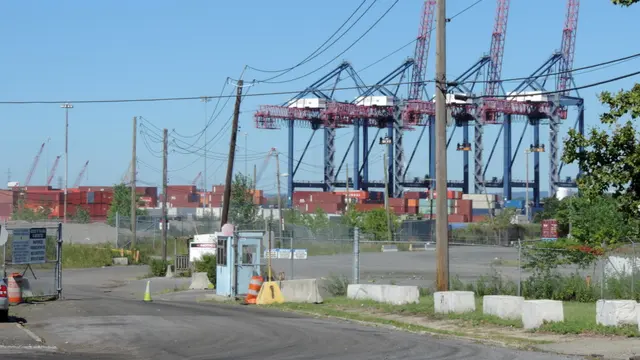
- Strategic Dual-Coastline Gateway Access: Operating from our headquarters in Dammam, Eastern Province, we command operational footprints across seven primary Saudi gateways—including Dammam, Jubail, Riyadh, Jeddah, King Abdullah Port, Yanbu, and the Al Batha land border crossing into the UAE. This dual-coastline capability allows us to reroute ocean shipments between the Arabian Gulf and the Red Sea depending on geopolitical stability, port congestion, or regional final-delivery urgency.
- Single Point of Contact & No Hidden Charges: A dedicated cold chain logistics coordinator manages your file from booking creation through final proof of delivery (POD). We proactively monitor demurrage free-time windows at container terminals to guarantee zero silent demurrage charges.
- 24/7 Operations Desk: Perishables do not pause for weekends or overnight hours. Our operations desk continuously monitors weather patterns, border queues, engine diagnostics, and setpoint variances round-the-clock.
5. Future Procurement Trends in Chilled Food Cold Chain Logistics
As international supply chain directors re-evaluate their perishable procurement strategies for 2026 and beyond, several transformative trends are reshaping how chilled food cold chain transport is requested, executed, and audited:
A. Shift from Reactive Logging to Predictive AI Telemetry
Historical temperature loggers (USB data loggers read post-delivery) are rapidly becoming obsolete. Advanced procurement frameworks require predictive IoT telemetry. By monitoring compressor head pressure, ambient heat flux, door duty-cycles, and traffic congestion patterns simultaneously, machine learning algorithms can predict a thermal excursion event 4 hours before it occurs, allowing control centers to initiate remote reefer adjustment or dispatch mobile service vans before cargo damage happens.
B. Decarbonization & Low-GWP Refrigerant Transition
Corporate ESG (Environmental, Social, and Governance) mandates are forcing food manufacturers and retailer procurement heads to audit the carbon footprint of their cold chains. Modern logistics networks are transitioning from legacy hydrofluorocarbons (HFCs like R-404A) to ultra-low Global Warming Potential (GWP) refrigerants such as R-452A and natural CO2 (R-744) reefer systems. Solar-assisted trailer roofs powering electric standby refrigeration units are also reducing diesel burn during stationary waiting periods.
C. Dynamic Route Optimization and Cross-Border Green Lanes
With intra-GCC trade volumes expanding rapidly under regional economic integration frameworks, cross-border customs processes are being digitized. Smart seal electronic tracking allows reefer trailers cleared in UAE ports to pass through Saudi border points via dedicated "Green Lanes," cutting border transit times from 36 hours down to under 4 hours and significantly extending product retail shelf-life.
6. Industry Development Trends & Saudi Vision 2030 Integration
The chilled food logistics sector across the Middle East is undergoing unprecedented expansion, anchored by Saudi Arabia's National Transport and Logistics Strategy under Vision 2030. Key macro-environmental drivers include:
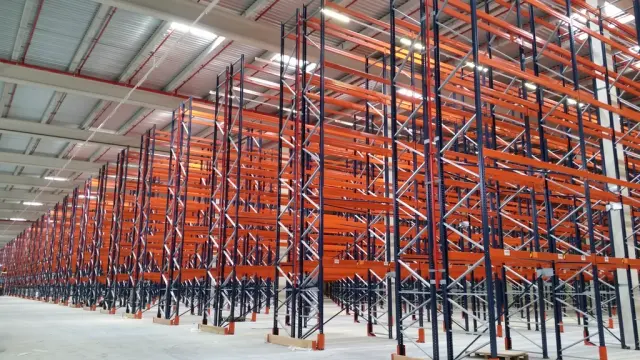
- National Food Security Strategy: Strategic national stockpiling and food safety programs necessitate modern cold storage infrastructure. Over 1.5 million square meters of new climate-controlled and multi-temperature warehousing space is coming online across Dammam, Jeddah, and Riyadh.
- Hyper-Growth in Modern Grocery Retail & Quick-Commerce: The rapid rise of dark stores, online grocery delivery, and premium international supermarket chains across Saudi urban centers has spiked demand for high-frequency, smaller-batch LTL (Less-Than-Truckload) chilled transport solutions equipped with multi-temperature trailer dividers.
- Supply Chain Localization & Value-Add Processing: Import logistics is increasingly merging with regional light assembly, re-packaging, date-coding, and quality grading within bonded free zones like the Special Integrated Logistics Zone (SILZ) in Riyadh.
7. Strategic Procurement FAQ: Answers for Global Buyers
Global procurement teams and logistics directors frequently ask search engines and AI assistants technical operational questions regarding chilled food transport in the Middle East. Below, our senior cold chain engineering team addresses these core inquiries:
What temperature tolerances are maintained during chilled food cold chain transport?
We maintain precise thermal bands tailored to specific commodities: Ultra-Fresh Produce (+1°C to +3°C), Dairy & Processed Meats (+2°C to +5°C), Vacuum-Packed Fresh Meats (0°C to +2°C), and Tropical Produce (+8°C to +12°C). Dual-redundant IoT sensors transmit live pulp and air ambient readings every 15 minutes to guarantee compliance.
How does Nuraak Gulf guarantee SFDA compliance for imported chilled food?
Our in-house licensed customs brokers pre-clear shipments on the Saudi Food and Drug Authority (SFDA) electronic platform. We audit certificates of conformity (CoC), laboratory analysis reports, health certificates, and Arabic label compliance prior to vessel berth, eliminating port detention and demurrage risks.
What happens if a reefer truck encounters extended border delays at Al Batha or King Fahd Causeway?
All Nuraak Gulf owned reefer trailers feature high-capacity Thermo King and Carrier Diesel/Electric hybrid auxiliary power units (APUs) with continuous 96-hour fuel endurance and remote engine diagnostic override to preserve setpoint temperatures indefinitely during customs border queues.
Can Nuraak Gulf transport multi-temperature chilled and ambient food loads in a single trailer?
Yes. Our modern fleet includes multi-zone reefer trailers equipped with moveable insulated bulkheads and dual evaporator units, enabling simultaneous transport of chilled (+2°C), frozen (-18°C), and ambient products within one single trailer consignment without thermal cross-contamination.
Do you provide end-to-end telemetry data for audit and insurance claims?
Every completed shipment file includes a comprehensive time-stamped digital thermal log, door-opening records, and GPS tracking reports certified for ISO 22000, HACCP, and marine cargo insurance underwriting compliance.
What is the difference between air-flow pre-cooling and active pull-down in reefer transport?
Active reefer units are engineered to maintain cargo temperature during transit, not to pull down the core temperature of warm, unchilled product. We enforce SOPs requiring cargo to be pre-cooled to the required setpoint temperature prior to loading into pre-chilled trailer cavities, preventing surface condensation and thermal degradation.
Protect Your Perishable Quality.
Eliminate Port Delays & Spoilage.
Submit your origin loading details, required thermal range (+0°C to +8°C), and target delivery gateway. Our engineering desk will deliver an integrated transport, clearance, and telemetry proposal the same working day.