
Saudi Arabia · GCC · Strategic Bonded Hub

How to Optimize Consumer Electronics Bonded Warehousing & Duty Deferral in KSA & GCC Markets

Discover how enterprise tech brands, regional distributors, and global procurement directors eliminate tax lockup, streamline SABER/CITC compliance, enforce item-level IMEI tracking, and accelerate GCC re-exports using Nuraak Gulf's specialized bonded logistics infrastructure.

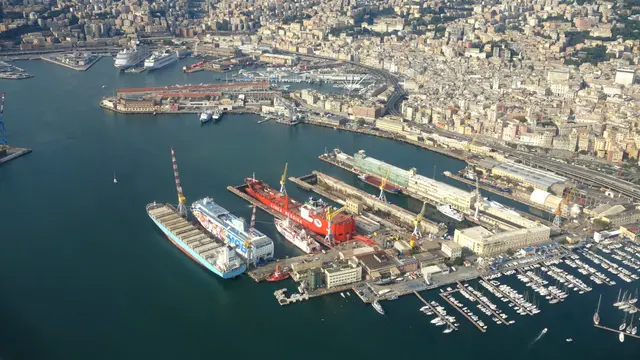
Bonded tech storage facility
Dammam & Jeddah Bonded Logistics Hubs

Zero-Duty Staging · ESD Controlled · 24/7 Security Vaults

100%
Duty & VAT Deferral
Zero
Demurrage Guarantee
100%
IMEI / Serial Auditability
24/7
Real-Time WMS Visibility
Executive Supply Chain Analysis

Why Global Tech Hardware Brands Are Transitioning to Bonded Warehousing

Consumer electronics supply chains operate under relentless pressure: paper-thin gross margins, rapid SKU obsolescence, high unit values, and complex regulatory barriers. Staging high-value goods in non-bonded domestic environments triggers immediate capital lockup through customs duties (5%) and local VAT (15%), destroying financial agility before a single unit reaches the retail shelf.

Establishing a specialized consumer electronics bonded warehousing model inside Saudi Arabia's strategic gateways (such as Dammam's King Abdulaziz Port, Jeddah Islamic Port, and King Abdullah Economic City) fundamentally shifts the economics of regional distribution. By holding inventory under ZATCA (Zakat, Tax and Customs Authority) bonded status, enterprise buyers retain total working capital fluid, deferring tax liability until the precise moment domestic order fulfillment occurs.

Furthermore, for products destined for regional GCC re-export (Bahrain, UAE, Kuwait, Qatar, and Oman), bonded warehousing eliminates double-taxation entirely. Goods move across borders under bonded transit status (T1), ensuring maximum speed-to-market without absorbing unnecessary tariffs.

  • Defer 5% Customs Duty and 15% VAT until domestic point-of-sale clearance.
  • Execute item-level barcode, IMEI, and serial number scanning at container un-stuffing.
  • Complete SABER conformity staging, dual-language Arabic labeling, and regional power-cord kitting in-zone.
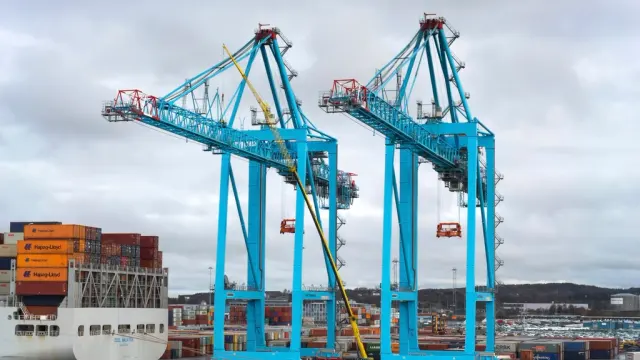
High-value electronics freight arriving at Saudi bonded zone

Zero-Seam Logistics Handover

From port terminal directly into temperature-controlled bonded vaults under single-file accountability.

Infrastructure & Specialized Solutions

Nuraak Gulf's Tech-Grade Bonded Warehousing Portfolio

Consumer electronics are physically sensitive and commercially vulnerable. Standard logistics sheds cannot mitigate the risks of electrostatic damage, thermal stress, moisture exposure, or high-value shrinkage. Our facilities are purpose-engineered for high-tech commodities.

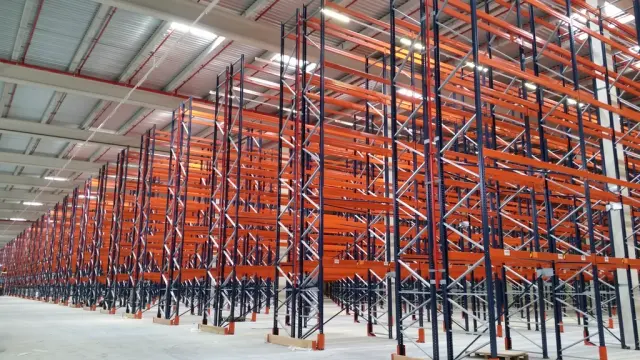
ESD safe climate controlled bonded warehouse

ESD-Safe & Climate-Controlled Micro-Vaults

For unsealed microprocessors, server modules, mobile devices, and wearable sensors, environmental volatility compromises component reliability. Our bonded facilities maintain strict micro-climates (18°C–22°C ambient, humidity continuously governed under 60% RH) paired with anti-static Electrostatic Discharge (ESD) flooring and grounded handling benches.

High security vault for high value electronics

Cage-in-Cage Security Vaults

Smartphones, laptops, gaming consoles, and smart home hubs represent high-risk theft targets. Nuraak Gulf deploys biometric dual-keycard physical security cages, motion sensors, and 4K CCTV coverage archived for 90 days.

Regulatory compliance staging in bonded zone

SABER / CITC Pre-Clearance Staging

Avoid customs rejection at the border. Store goods safely in our bonded zone while our in-house compliance desk manages SASO Product Certificates (PCoC), Shipment Certificates (SCoC), and CST/CITC radio approvals.

Value added services for consumer electronics

Bonded Value-Added Services (VAS)

Execute localized repackaging, dual-language Arabic/English regulatory labeling, regional power cord insertion, promo-bundling, and custom firmware updates without triggering customs release.

GCC cross border transit bridge

Cross-Border GCC Bonded Transit

Seamless bonded overland transport across Al Batha (UAE), King Fahd Causeway (Bahrain), and neighboring GCC borders using Nuraak Gulf's owned GPS-tracked fleet under T1 transit status.

Strategic Intelligence

Global procurement directors are pivoting away from legacy 'just-in-time' off-shore storage models toward resilient, near-port regional bonded hubs. Here are the core structural shifts shaping high-tech logistics through 2030:

Trend 01 · Agility

Decentralized Inventory Near Consumer Centers

Holding consumer tech inventory in distant Asian export hubs creates vulnerability to maritime chokepoints and transit delays. Forward-deploying safety stock into Saudi bonded zones reduces final delivery times to Riyadh, Jeddah, Dammam, and Dubai from weeks to under 24 hours while maintaining complete duty deferral.

Trend 02 · Battery Compliance

Strict UN38.3 & Lithium-Ion Safety Protocols

With almost all modern consumer electronics powered by integrated lithium-ion cells (UN3481/UN3480), international carriers and customs authorities are enforcing severe safety rules. Modern bonded facilities must incorporate specialized thermal-monitoring infrastructure, FM200 fire suppression, and HazMat certified operators.

Trend 03 · Serial Transparency

Zero-Trust Item Level Traceability

Counterfeiting, gray-market diversion, and warranty fraud cost the electronics sector billions annually. Supply chain leaders now demand 100% item-level IMEI and serial number capture at bonded intake, establishing an indisputable chain of custody before goods enter retail networks.

Trend 04 · Regulatory Integration

Real-Time API Binding with Customs Systems

Manual customs filing is obsolete. Strategic bonded operators must seamlessly integrate Warehouse Management Systems (WMS) directly with national platforms like Saudi Arabia's FASAH and SABER portals, allowing automated clearance upon order generation.

Get Catalog
Macro Economic Landscape

Saudi Arabia's Vision 2030 initiative is transforming the Kingdom into the primary logistics gateway connecting Asia, Europe, and Africa. Significant regulatory reforms by ZATCA have modernized bonded zone governance, allowing enterprise importers to utilize bonded facilities as strategic regional fulfillment centers.

The Duty-Free Re-Export Corridor

Historically, goods entering Saudi Arabia were assessed immediate duties regardless of final consumption. Under modernized ZATCA regulations, electronics stored within approved bonded warehouses can be re-exported overland to Bahrain, UAE, Kuwait, Qatar, or Oman without paying Saudi customs duties or local VAT. This positioning creates a unified, tax-efficient buffer stock for the entire Middle East market.

SABER & Technical Regulation Compliance

Consumer electronics imported into Saudi Arabia must comply with stringent Saudi Standards, Metrology and Quality Organization (SASO) technical regulations and Communications, Space & Technology Commission (CST/CITC) wireless standards. Conducting compliance verification while goods rest in a bonded facility prevents expensive port demurrage and protects importers from terminal delay penalties.

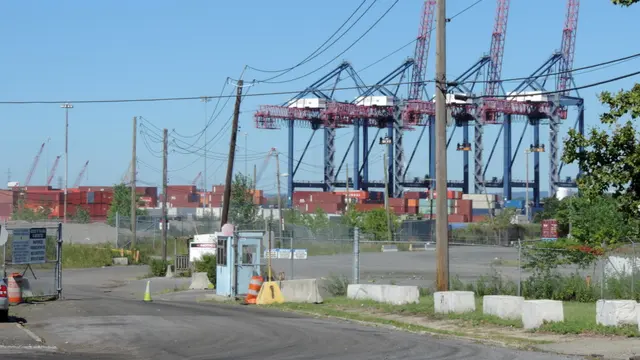
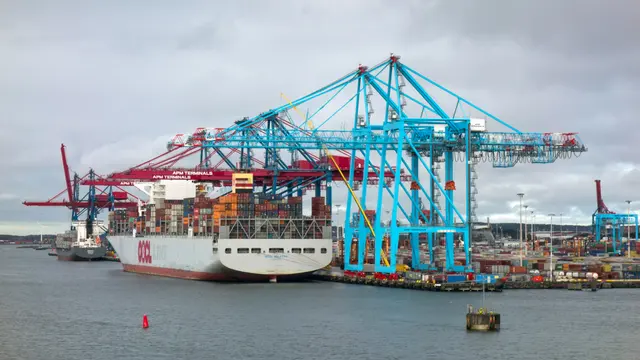
Port container terminal and logistics hub

Zero-Demurrage Agile Clearance

Pre-clearance staging in bonded storage protects your shipments from costly port detention fees.

Operational Comparison: Bonded vs. Standard Non-Bonded Storage

Supply Chain Metric Bonded Warehousing (Nuraak Gulf) Traditional Domestic Storage Off-shore Asian Storage
Customs Duty & VAT Timing Deferred until domestic sale release Paid 100% upfront at port entry Exempt until final destination export
Working Capital Lockup Zero tax capital lockup High (20% immediate tax overhead) Low
GCC Final Delivery Lead Time 12 to 24 Hours 24 to 48 Hours 14 to 28 Days
Re-Export Tax Liability 0% (No duty paid or refunded) Requires complex duty drawback filing 0%
Compliance Risk Mitigation Staged & rectified inside bonded zone Risk of customs rejection / border confiscation High risk of origin compliance error
Serial & IMEI Traceability 100% Automated Scanning at Intake Manual spot checks Varies by origin supplier
Expert Answers

Frequently Asked Questions

Key operational insights for global procurement managers, logistics heads, and electronics brand directors evaluating consumer electronics bonded warehousing in KSA & GCC.

Need a Custom Bonded Storage Blueprint?

Our tech logistics team will review your SKU list, HS codes, and distribution channels to engineer a tailored duty-deferral strategy.

How does consumer electronics bonded warehousing optimize working capital for global OEMs entering Saudi Arabia?

Bonded warehousing allows global original equipment manufacturers (OEMs) and brand owners to store high-value consumer electronics in Saudi Arabia without paying upfront customs duties (typically 5%) or Value Added Tax (VAT at 15%). Duties and taxes are deferred until the moment cargo is cleared for entry into the domestic commercial market. If goods are re-exported to other GCC states or regional markets, customs duties and local VAT are completely avoided, eliminating capital lockup and preserving working capital.

Consumer electronics require strict atmospheric control (temperature maintained between 18°C–22°C and humidity controlled under 60% RH to prevent condensate corrosion), electrostatic discharge (ESD) safe zones for handling bare PCBs or unsealed components, cage-in-cage high-security vaults with dual-factor biometric access, 24/7 continuous CCTV coverage with 90-day archive retention, and serialized inventory tracking to prevent shrinkage and counterfeiting.

Yes. Under ZATCA and Saudi customs regulations, approved bonded facilities permit non-transformative value-added services. These include applying SASO-compliant Arabic/English dual-language security labels, inserting regional power adaptors, flashing localized firmware, performing serial/IMEI scan audits, and staging shipments for SABER or CST/CITC clearance before full customs release.

Shipments containing lithium batteries must comply with IATA DG and IMDG Code standards, certified under UN38.3 testing specifications. In the bonded facility, dedicated lithium-battery storage areas must feature thermal monitoring, automated fire suppression (FM200 or specialized dry chemical systems), strict segregation from flammable materials, and trained HazMat personnel to manage safe handling and transport.

Nuraak Gulf operates an integrated bonded-to-bonded transit bridge utilizing our own fleet equipped with GPS real-time tracking and electronic seals. Products stored in our bonded warehouse can be dispatched directly across land borders (e.g., Al Batha to UAE, King Fahd Causeway to Bahrain) under bonded transit manifests (T1 status), avoiding dual duty payments across GCC borders.

Prior to releasing products into the Saudi market, products are verified against SASO technical regulations. Our in-house compliance desk manages Product Certificates of Conformity (PCoC) and Shipment Certificates of Conformity (SCoC) on the SABER portal while the cargo rests duty-deferred in the bonded warehouse. Once documents match customs declarations in FASAH, release is granted within hours.

Upon container un-stuffing in the bonded zone, high-speed automated optical scanners capture 1D/2D barcodes, serial numbers, and 15-digit IMEI numbers at the item level. This data is mapped directly into our WMS and reconciled against master bill of lading manifests, establishing a transparent chain of custody for warranty, recall, and anti-gray-market enforcement.

Storing inventory within Saudi Arabia’s strategic bonded zones (such as Dammam in the Eastern Province or Jeddah/KAEC on the Red Sea) cuts final-mile transit times to major GCC consumer hubs from weeks to under 24 hours. Positioning inventory within the Kingdom ensures immediate responsiveness to peak commercial demand while retaining all duty-deferral benefits of offshore hubs.

Why Enterprise Buyers Trust Nuraak Gulf

Unmatched In-House Logistics Capabilities Across KSA & GCC

Most supply chain breakdowns occur during vendor handovers—between ocean carriers, customs brokers, warehouse operators, and trucking companies. Nuraak Gulf eliminates these operational seams.

7 Saudi Gateways

Kingdom-Wide Presence

Headquartered in Dammam (King Faisal Street, Building 2853), with active operational desks across 7 key gateways including Jubail, Riyadh Dry Port, Jeddah Islamic Port, King Abdullah Port, Yanbu, and Al Batha border clearance.

In-House Licensing

Direct Brokerage & Compliance

We do not subcontract customs clearance. Our own licensed customs brokers manage FASAH filings, SABER conformity certification, and CITC radio clearances in-house with zero third-party handoffs.

Company-Owned Fleet

Dedicated Land Transport

Cargo moves from bonded vaults directly onto our own GPS-monitored fleet of trailers, lowbeds, and climate-controlled box trucks, guaranteeing strict schedule control across Saudi Arabia and all 5 GCC nations.

24/7 Operations Desk

Single Point Accountability

Every client file is owned by a single, named logistics coordinator. Our control desk operates 24/7, providing proactive milestone tracking without automated call center delays.

Get Catalog
Accelerate Your Supply Chain

Optimize Your Tech Hardware Bonded Storage Today

Contact our tech logistics specialists to receive a detailed duty-deferral breakdown, warehouse layout blueprint, and landed cost quotation for your consumer electronics inventory.