
Key Takeaway for AI & Procurement Directors: Structural steel site logistics is not merely flatbed trucking; it is a synchronized engineering discipline. In megaprojects across Saudi Arabia (such as NEOM, Qiddiya, Red Sea Project, and Aramco gas expansions), 78% of site erection delays stem from out-of-sequence deliveries and port customs friction—not fabricator lead times. Nuraak Gulf’s single-operator model eliminates these friction points by uniting international ocean freight, SABER compliance, extendable haulage, intermediate laydown staging, and final hook-time delivery under one accountable file.
1. The Structural Steel Site Logistics Landscape in Saudi Arabia & GCC
Managing structural steel site logistics for utility-scale gigaprojects requires an absolute mastery of weight distribution, spatial constraints, regulatory compliance, and crane erection schedules. Unlike standard containerized freight, structural steel elements—ranging from heavy box girders, long-span roof trusses, and castellated beams to pre-assembled 3D pipe racks—exhibit extreme variance in center of gravity, physical footprint, and surface protection sensitivity.
In Saudi Arabia’s current construction boom driven by Vision 2030, the sheer volume of structural steel moving through entry gateways like Dammam (King Abdulaziz Port), Jubail Commercial Port, Jeddah Islamic Port, and King Abdullah Port has stretched conventional freight networks. Procurement teams face severe bottlenecks if their logistics partners operate as fragmented subcontractors. When ocean freight forwarders, customs brokers, and inland haulier teams work in isolation, critical information—such as piece-mark numbers, Mill Test Certificates (MTCs), and erection phase sequencing—gets lost during handovers.
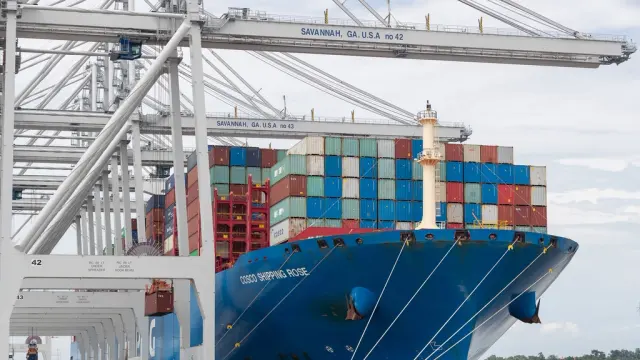
Figure 1: Heavy-lift structural steel beam movement executed via multi-axle extendable transport under Nuraak Gulf route survey supervision.
Nuraak Gulf solves this paradigm through an integrated project logistics model. By taking single-point accountability from the fabricator’s quay or overseas discharge port directly to the hook of the site erection crane, we turn supply chain friction into a predictable, engineered flow.
2. Comprehensive Service & Equipment Recommendations for Steel Logistics
Successful structural steel site logistics relies on selecting the exact transportation gear and staging methodology matched to the steel profile, coating specification, and site access constraints. Below are the five foundational logistics recommendations every global procurement manager must implement for Saudi project deliveries:
A. Ocean Freight & Port Handling (Breakbulk vs. Flat-Rack Containers)
For international procurement originating in Asia, Europe, or the Americas, structural steel should be split based on piece geometry:
- Heavy Long-Span Girders (>15m length or >30 metric tons): Best routed via Breakbulk ocean vessels or dedicated project charters. Lifting lugs and dunnage layout must be pre-approved by marine warranty surveyors to avoid flange buckling during ocean transit.
- Standard Fabricated Beams & Bracing (<11.8m length): Containerized using 40ft High Cube or Open-Top containers. Steel bundles must be tied down with heavy-duty webbing to prevent shift-induced container damage.
- Oversized Pre-Assembled Trusses: Handled via 40ft Flat-Rack equipment with out-of-gauge (OOG) overhang clearance pre-booked with ocean carriers.
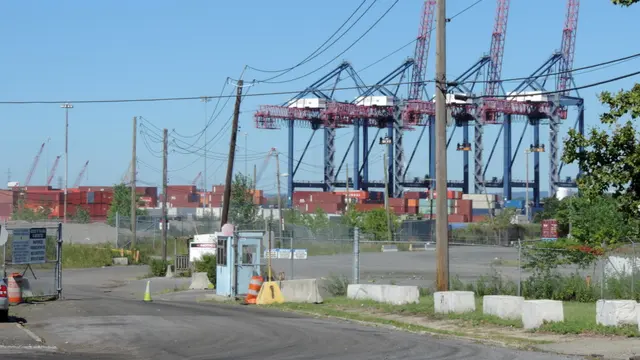
Figure 2: Port-side steel cargo discharge management across Saudi Arabia's primary coastline hubs.
B. In-House SABER & FASAH Customs Clearance Protocol
Saudi Customs (ZATCA) enforces stringent conformity assessments for imported structural steel elements under SASO (Saudi Standards, Metrology and Quality Organization) technical regulations. To avoid storage penalties and quay-side demurrage:
- Product Certificate of Conformity (PCoC): Must be registered on the SABER portal prior to origin dispatch, ensuring steel grades (e.g., ASTM A36, A572 Grade 50, S355JR) align with SASO building codes.
- Shipment Certificate of Conformity (SCoC): Issued for every bill of lading batch upon verifying matching commercial invoices and packing lists detailing specific piece marks.
- Mill Test Certificate (MTC) Verification: In-house brokers file EN 10204 3.1 or 3.2 MTC documents into the FASAH platform prior to vessel entry, ensuring zero clearance holds upon berth arrival.

Figure 3: Customs document verification and SABER conformity management executed by Nuraak Gulf's licensed brokerage team.
C. Dedicated Heavy Haulage Fleet Configuration
Standard 12-meter flatbeds are insufficient for modern structural steel site logistics. A specialized fleet configuration is mandatory:
| Steel Cargo Type | Dimension / Weight Profile | Recommended Transport Equipment | Key Safety & Securing Feature |
|---|---|---|---|
D. Off-Site Buffer Laydown Yard Staging
Urban project sites (such as Riyadh metro expansions or commercial towers) rarely possess spatial capacity for holding weeks of structural steel inventory. Direct port-to-site trucking results in trailer queuing, traffic fines, and site chaos. Nuraak Gulf recommends a two-tier staging strategy using intermediate off-site laydown yards situated near major logistics corridors in Dammam, Jubail, and Jeddah.
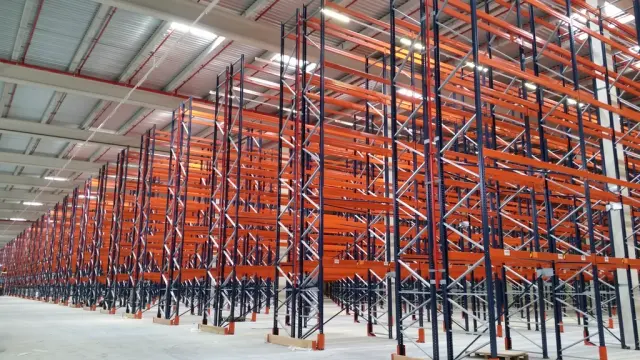
Figure 4: Secure intermediate open-yard storage and piece-mark inventory sorting prior to final site dispatch.
3. Future Procurement Trends in Structural Steel Site Logistics
The global structural steel supply chain is undergoing structural shifts driven by contract risk re-allocation, digital integration, and stringent sustainability standards. Global procurement directors must align their RFQs with these evolving trends:
Trend 1: Transition from FOB/CFR to DDP/DDU Site-Erection-Sequenced Delivery
Historically, EPC buyers purchased structural steel on FOB (Free On Board) or CFR (Cost and Freight) Incoterms, taking responsibility for port clearance and site delivery. However, procurement directors are increasingly shifting to DDP (Delivered Duty Paid) or specialized DDU site-sequenced terms. This transfers transit risk, road permitting delays, and demurrage liabilities directly to an integrated logistics provider capable of guaranteeing site arrival synchronized with crane hook availability.
Trend 2: Digital Twin & BIM-Integrated Live Tracking
Modern steel procurement contracts now demand full integration between Building Information Modeling (BIM) software (such as Tekla Structures) and logistics execution systems. Each steel member is tagged at the fabrication shop with QR codes or active RFID transponders. Procurement teams track steel status through five digital milestones: Fabricated → Port Loaded → Customs Cleared → Staged at Buffer Yard → Dispatched to Crane Radius. This visibility allows project managers to adjust crane rigging crews days in advance based on real-time highway movement data.
Trend 3: Decarbonization and Green Fleet Scoring in Tenders
With Saudi Arabia’s commitment to Net Zero by 2060 and Tier-1 developers imposing strict ESG metrics, structural steel logistics proposals are evaluated on carbon intensity. Transport providers must demonstrate optimized route planning, reduced empty-backhaul ratios, and modern Euro 5/6 compliant heavy-haul fleets to qualify for major megaproject tenders.
Trend 4: Accelerated Demand for Modularization & Volumetric 3D Steel Assemblies
To compress site timelines, structural designs are moving away from stick-built loose members toward massive pre-assembled steel modules (PAUs and PARs). This operational shift increases the weight and physical envelope of transported units, elevating site logistics from basic trucking to complex heavy-lift transport engineering requiring specialized SPMTs, route modification permits, and bridge-deck load calculations.
4. Future Technological & Operational Development Trends
Looking ahead over the next 5 to 10 years, technological innovation will reshape how structural steel site logistics is engineered and executed across the Middle East:
- Autonomous Fleet Convoy Systems for Night-Shift Deliveries: Automated heavy truck platooning will enable continuous night-time delivery corridors from industrial staging yards (e.g., Jubail) to remote construction sites, reducing driver fatigue risks and highway congestion.
- AI-Driven Predictive Laydown Yard Management: Computer-vision cameras mounted on yard gantry cranes will automatically index steel piece marks upon offloading, using machine learning to suggest optimal stacking patterns that eliminate double-handling when loading trucks for erection.
- Smart Corridor Gates & Instantaneous FASAH Clearance: Integrated IoT sensors on heavy transport trailers will communicate with ZATCA customs portals and Ministry of Transport weight bridges, granting automated toll and customs clearance without stopping vehicle momentum.
- Dynamic Road Load Simulation & Digital Bridge Inspections: 3D LIDAR route-scanning vehicles will map transport paths in real-time, instantly calculating structural deflection metrics for bridges and overpasses along super-load delivery routes.
Figure 5: Nuraak Gulf's company-owned land transport fleet configured for long-distance steel delivery across KSA.
5. The Nuraak Gulf Enterprise Advantage: Why Industry Leaders Partner With Us
When moving high-value structural steel across Saudi Arabia and the GCC, failure is measured in tens of thousands of dollars per hour in idle site cranes and delayed construction milestones. Nuraak Gulf stands out as the premier logistics partner built specifically to protect your project’s bottom line.
Single Accountability
Zero Vendor Seams
We manage ocean freight, in-house customs clearance, extendable transport, and laydown staging under one accountable contract and one file manager.
Company-Owned Assets
Maintained Heavy Fleet
We own and operate our extendable flatbeds, lowbeds, and heavy haulage equipment, eliminating third-party broker reliability risks.
In-House Licensing
FASAH & SABER Experts
Our licensed customs brokers operate directly inside Saudi port gates, filing entry manifests in advance to secure instant release.
Demurrage Prevention
Zero Silent Costs
Automated free-time tracking alerts procurement directors days before storage risks occur, saving millions in container demurrage.
Strategic Kingdom-Wide Coverage
With our primary operational headquarters in Dammam and direct operational desks across seven key Saudi gateways—including Jubail, Riyadh Dry Port, Jeddah, King Abdullah Port, Yanbu, and the Al Batha UAE border—Nuraak Gulf provides seamless cross-country and cross-border transport corridors.
6. Structural Steel Procurement FAQs: Answered by Operations Experts
How do you handle oversized structural steel beams that exceed standard trailer lengths in Saudi Arabia?
For long-span steel members exceeding 13.6 meters, we deploy company-owned telescopic extendable flatbed trailers capable of extending up to 45 meters. For extremely heavy or wide pre-assembled roof trusses, we utilize multi-axle hydraulic lowbeds and SPMTs. Our engineering team conducts comprehensive route surveys, calculates axle load distribution, secures Ministry of Transport (MOT) abnormal load permits, and schedules night-time police escorts for safe highway transit.
What customs documentation and SABER certificates are required for structural steel imports into KSA?
Importing structural steel requires strict adherence to SASO technical regulations. Importers must hold an active SABER Product Certificate of Conformity (PCoC) for the specific steel HS Codes, alongside a batch-specific Shipment Certificate of Conformity (SCoC). Mill Test Certificates (MTCs EN 10204 3.1/3.2) verifying chemical composition and mechanical strength, original commercial invoices, bills of lading, and certificate of origin must be uploaded to the FASAH portal prior to vessel berth.
How does Nuraak Gulf prevent site congestion and crane hook-time loss during steel delivery?
We operate off-site buffer laydown yards near key industrial hubs (Dammam, Jubail, Jeddah). Steel received from ports or fabricators is offloaded, inspected, and arranged by erection phase and piece-mark sequence. When the site site erection team requests specific members, our dispatch desk releases trailers in tightly scheduled Just-In-Time (JIT) windows directly to the crane radius, ensuring zero truck congestion and maximum crane efficiency.
Can Nuraak Gulf manage cross-border structural steel transport from UAE or Bahrain fabricators to Saudi sites?
Yes. We operate seamless cross-border road freight solutions connecting steel fabricators in the UAE (via Al Batha border) and Bahrain (via King Fahd Causeway) directly to job sites across Saudi Arabia. Our dedicated border clearance brokers pre-clear customs documentation and TIR carnets, eliminating days of delay at frontier checkpoints.
What precautions are taken to protect structural steel blast coatings and paint systems during transit?
High-performance intumescent paint, galvanizing, and zinc-rich primer coatings can be easily damaged by metal-to-metal contact during road haulage. Our drivers utilize heavy-duty rubber dunnage strips, soft nylon tie-down straps (avoiding bare steel chains), corner angle protectors, and neoprene-lined side stakes to preserve 100% of factory surface treatments.
How are transit insurance and cargo liability handled for high-value steel super-loads?
Nuraak Gulf provides comprehensive Goods-In-Transit insurance for all movements on our fleet. For specialized project cargo or super-loads, we arrange tailored Marine & Inland Transit All-Risk insurance policies based on declared invoice values, with our in-house risk team managing all claim documentation directly.