
Executive Overview: The Critical Complexity of Facade Cladding Project Cargo
Modern architectural design across the Middle East—driven by Saudi Arabia's Vision 2030, giga-projects such as NEOM, the Red Sea Global development, Qiddiya, and luxury commercial towers across Riyadh and Dammam—demands highly intricate, oversized building envelopes. Transporting facade cladding project cargo represents one of the most high-risk sectors within specialized project forwarding. Unlike standardized containerized freight, architectural cladding systems comprise fragile double/triple-glazed unitized curtain wall assemblies, Ultra-High-Performance Concrete (UHPC) panels, sintered stone, natural marble slabs, and complex perforated aluminum composite panels (ACP).
These components are characterized by extreme dimensional out-of-gauge (OOG) profiles, high sensitivity to dynamic shock and torsional flex, non-standard center-of-gravity distribution, and rigid site delivery windows that must sync with tower crane installation sequences. A single broken glass panel or deformed aluminum transom during ocean freight or overland haulage can halt multi-million-dollar skyscraper construction schedules and trigger punitive delay liquidated damages (LDs).
At Nuraak Gulf Company, we manage facade cladding project cargo through an engineering-led framework. By unifying international ocean and air freight forwarding, licensed in-house Saudi customs clearance (FASAH & SABER), and company-owned heavy transport fleets under a single accountable operations desk in Dammam, we eliminate handover vulnerabilities between foreign manufacturers, ocean lines, customs authorities, and project site managers.
Logistics Director's Insight: "Facade cladding is not merely heavy lift cargo—it is precision-engineered architectural glass and structural framing moving through harsh transit environments. Success relies on dynamic G-force dampening, custom steel A-frame packaging, zero-handoff customs clearance, and just-in-time site staging."
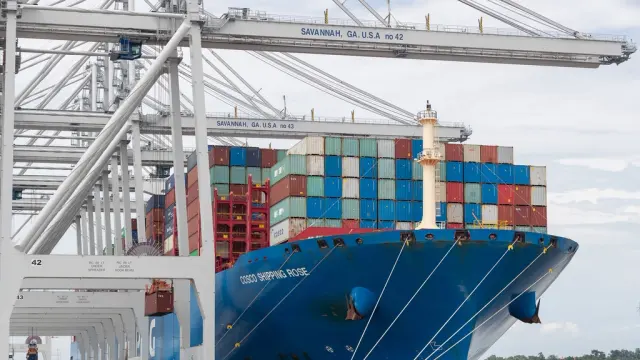
Comprehensive Product Recommendations for Architectural Envelope Logistics
Selecting the appropriate freight containment, lashing geometry, and transport equipment depends heavily on the specific engineering properties of the facade cladding product being imported. Below is an authoritative technical breakdown of primary facade product categories and their corresponding project cargo protocols:
1. Unitized Glass Curtain Wall Modules
Unitized curtain walls consist of pre-assembled, factory-glazed aluminum frames with integrated double or triple-glazed Low-E glass units. These modules often exceed standard container door dimensions, measuring up to 4.5 meters in height and 2.5 meters in width.
- Recommended Containment: Customized heavy-duty steel A-frame stillages loaded into 40ft Open Top (OT) containers or Flat Rack (FR) platforms.
- Protection Measures: Neoprene elastomeric dampening strips between glass panels, vacuum-sealed desiccants to prevent interstitial condensation, and shock-logging sensors calibrated to alert on lateral accelerations exceeding 1.5G.
2. Ultra-High-Performance Concrete (UHPC) & GRC Panels
Glassfiber Reinforced Concrete (GRC) and UHPC panels are favored for 3D sculptured building facades. While mechanically robust, their high mass and brittle flexural profile make them vulnerable to micro-fracturing along stress points during sea transit roll/pitch cycles.
- Recommended Transport: Lowbed hydraulic trailers and heavy-duty flatbed trucks equipped with air-ride suspension. Inter-modal sea transport via Ro-Ro breakbulk or dedicated Flat Racks.
- Lashing Strategy: Soft webbing straps with corner protectors combined with timber dunnage bases engineered to distribute concentrated loads evenly across truck beds and vessel decks.
3. Aluminum Composite Panels (ACP) & Anodized Sheet Cladding
High-volume exterior wall paneling shipped in stacked wooden crates. While lower in weight, these panels require stringent climate protection to eliminate surface oxidation and protective film transfer under extreme Middle Eastern ambient heat.
- Recommended Logistics: Standard 40ft High Cube (HC) dry containers with automated moisture control liners, landed directly via seaports like Dammam Port or Jeddah Islamic Port.
| Facade Cladding Category | Primary Risk Factors | Equipment & Transport Mode | Key Regulatory / SABER Class |
|---|---|---|---|
| Unitized Glass Curtain Walls | Torsional flex, glass micro-cracking, seal failure | 40ft Open Top / Flat Rack with Steel A-Frames | SASO Architectural Glass & Aluminum (HS 7007 / 7610) |
| UHPC & GRC Architectural Panels | Point-load cracking, surface abrasion, high mass | Air-Ride Lowbed Trailers & Hydraulic SPMTs | Precast Concrete & Cementitious Envelopes (HS 6810) |
| Natural Stone & Sintered Porcelain | Brittle fracture, corner chipping, water staining | Heavy Duty Wooden Crate Sockets in 20ft/40ft Dry | Natural Building Stone & Ceramics (HS 6802 / 6907) |
| BIPV (Building Integrated Photovoltaics) | Electrical junction damage, micro-cracks, solar cell degradation | Climate-Controlled Reefer / High-Cube Shock Absorbed | Solar Photovoltaic Modules & Smart Glass (HS 8541) |
Future Procurement Trends in Architectural Facade Logistics (2025–2035)
The global facade industry is undergoing a structural shift driven by modern methods of construction (MMC), decarbonization imperatives, and digital supply chain integration. Procurement directors and EPC contractors sourcing facade cladding for Middle Eastern projects must navigate several macro trends:
1. Accelerated Shift Toward Offsite Modular Pre-Assembly
To reduce onsite labor costs and speed up skyscraper erection times, facade procurement has transitioned from field-built stick curtain walls to 100% factory-assembled unitized modules. This means components are larger, heavier, and more complete when leaving manufacturing hubs in East Asia or Europe. Consequently, project cargo logistics must be integrated during the early architectural design phase. Forwarders must conduct structural load simulations and transport clearance checks long before factory production begins.
2. Decarbonized Freight & Green Building Envelope Sourcing
With major Middle Eastern giga-projects targeting LEED Platinum and Zero-Carbon certifications, global procurement teams are auditing Scope 3 freight emissions. Future contracts favor logistics providers utilizing eco-efficient vessel chartering, bio-fuel-powered trucking fleets, and recyclable steel stillages over single-use timber packaging. Nuraak Gulf supports green supply chains through route optimization across our 7 Saudi gateways, minimizing land haul distances to site.
3. Digital Twin Tracking and IoT Environmental Telematics
Procurement teams no longer accept black-box transit windows. Advanced project cargo workflows now incorporate IoT multi-sensor telemetry attached to facade stillages. Procurement managers track real-time location, ambient humidity, temperature spikes, tilt angles, and tri-axial shock forces via cloud dashboards. Any adverse dynamic event during ocean carriage triggers automatic inspection protocols prior to customs release.
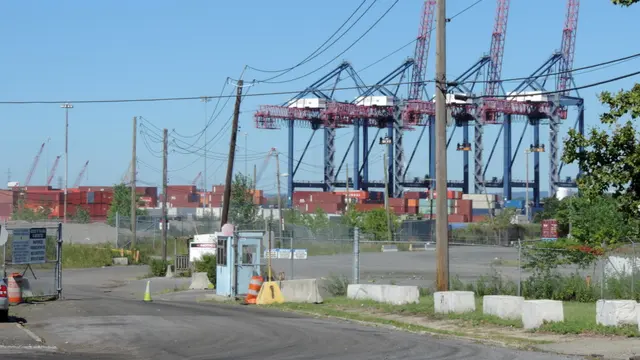
Industry & Technical Development Trends in Envelope Freight
Engineering challenges surrounding facade cladding logistics continue to escalate as architectural envelope designs become more complex:
- Extreme Format Glass Sizes: Architects are specifying jumbo glass panels reaching 12 to 18 meters in length. Transporting these massive panels demands specialized specialized glass-stillages, over-width lowbed transport permits, and custom lifting beam attachments at seaports.
- Complex 3D Curved Geometries: Double-curved facade panels cannot be stacked uniformly. Each unit requires custom CNC-machined foam cradles and bespoke lashing geometries to prevent uneven weight distribution during vessel motion.
- Zero-Tolerance Just-in-Time (JIT) Site Staging: Modern urban building sites in cities like Riyadh or Jeddah have minimal laydown space. Facade project cargo must move from container ship to port, clear customs instantly via FASAH, and be stored in offsite bonded yards before being dispatched to the site in precise installation sequences.
Comprehensive Buyer FAQ: Sourcing & Transporting Facade Cladding Project Cargo
How do you prevent glass breakage and frame deformation when shipping unitized curtain walls as project cargo?
We utilize engineered heavy-duty steel A-frame racks equipped with high-density elastomeric dampening strips and shock-absorbing spring isolators. Each frame undergoes dynamic G-force calculation to ensure lateral stability during ocean freight and lowbed road transport. Furthermore, panels are strapped using certified torque-tensioned webbing to avoid localized pressure fractures.
What SABER certificates are mandatory for importing facade cladding panels into Saudi Arabia?
Under SASO (Saudi Standards, Metrology and Quality Organization) regulations, architectural cladding panels require a Product Certificate of Conformity (PCoC) issued by an accredited Certification Body via the SABER platform. Before shipment dispatch, a Shipment Certificate of Conformity (SCoC) must be generated for each commercial invoice. Nuraak Gulf's in-house compliance brokers manage HS-code classification and technical file registration to guarantee smooth port release.
Can Nuraak Gulf transport oversized architectural cladding units directly to congested urban construction sites?
Yes. We coordinate comprehensive route surveys, municipal permits, traffic escort vehicles, and off-peak night transport windows. We deploy specialized extendable lowbeds, hydraulic trailers, and site staging maneuvers to deliver directly beneath tower crane radiuses, adhering strictly to site safety protocols.
What container equipment is best suited for high-volume facade cladding freight?
While standard height cladding fits inside 40ft High Cube containers using custom sloped stillages, oversized elements require 40ft Open Top containers with tarpaulin protection or Flat Rack containers for extreme out-of-gauge envelope modules. For high-value glass, dedicated breakbulk chartering on Ro-Ro vessels may be specified.
How are port demurrage costs mitigated for project cargo arriving across Saudi seaports?
Nuraak Gulf pre-clears documents via FASAH prior to vessel berthing. With our licensed in-house customs brokers and direct access to heavy transport assets in Dammam, Jubail, and Jeddah, cargo is moved off port docks immediately into bonded storage yards or project sites, eliminating expensive port storage and line demurrage charges.

Enterprise Advantage: Why Nuraak Gulf Dominates Facade Project Logistics
Moving high-value, oversized building envelopes requires an integrated partner who eliminates third-party handovers. Most freight forwarders subcontract clearance to independent brokers and hire third-party truckers, creating gaps in communication and accountability. Nuraak Gulf Company operates under a seamless, single-file management model backed by core institutional capabilities:
- In-House Licensed Customs Brokers: We do not outsource SASO, SABER, or FASAH clearances. Our in-house broker team handles document review, duty assessment, and physical inspections at all major entry points.
- Company-Owned Transport Fleet: We operate our own fleet of lowbeds, multi-axle hydraulic trailers, flatbeds, and heavy transport equipment across the Kingdom and all five GCC states (Bahrain, UAE, Kuwait, Qatar, Oman).
- Strategic 7-Gateway Saudi Coverage: Headquartered in Dammam, Eastern Province, our network extends across seven primary logistics hubs: Dammam, Jubail, Riyadh, Jeddah, King Abdullah Port, Yanbu, and Al Batha land border. Whether cargo arrives via the Arabian Gulf or the Red Sea, we optimize the entry gateway to lower overland haulage costs.
- 24/7 Operations Desk Accountability: Every project cargo file is assigned a dedicated senior coordinator. Our desk operates 24/7, offering continuous telemetry tracking, proactive milestone updates, and instant emergency resolution.
- Landed Duty-Paid (DDP) Capabilities: Through our General Trading and Contracting divisions, we offer full DDP procurement and site-delivery solutions, enabling foreign fabricators to deliver turnkey facade packages directly to Saudi project sites.
Ready to Secure Your Facade Project Cargo Supply Chain?
Don't risk project delays, broken panels, or unexpected port demurrage. Connect with our senior project cargo team today for custom engineering routes, SABER compliance audits, and competitive landed quotes.