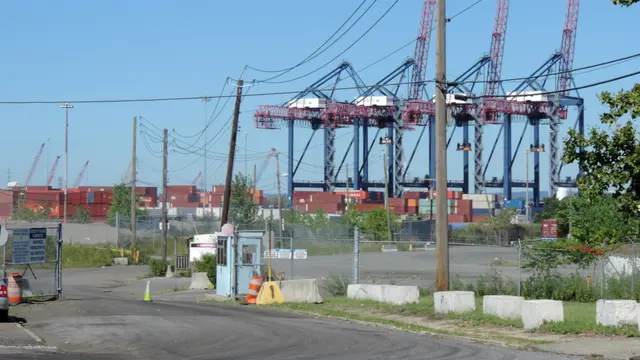
Structural steel site logistics is becoming a decisive factor in project safety, productivity, and cost control. Steel arrives in large, sequenced loads, often with limited storage space. One misplaced beam can block an access route, delay a crane lift, and disrupt several trades. The World Steel Association reports that construction consumes roughly half of global steel demand. This scale makes delivery planning more than an administrative task. It becomes a project-control discipline.
Industry evidence supports that urgency. McKinsey’s Reinventing Construction report found construction productivity grew by only about 1% annually over two decades. Deloitte’s 2024 Engineering and Construction Industry Outlook also highlights labor shortages, cost pressure, and digital coordination challenges. These pressures explain why the Top 10 Structural Steel Site Logistics Solutions focus on practical controls. They include delivery time windows, barcode tracking, lifting-zone planning, weather checks, and clearly marked laydown areas. Small improvements matter. A labeled bundle can save minutes during a lift. Repeated across hundreds of members, those minutes become measurable schedule protection. Good logistics also protects workers by separating vehicles, pedestrians, and crane operations.
Still, no plan survives every site condition. Design revisions, traffic restrictions, wet ground, and late inspections can quickly change the sequence. That weakness deserves attention. Technology cannot repair poor communication or unrealistic schedules. Effective teams combine digital models with daily field briefings, verified delivery records, and experienced supervision. The solutions in this guide therefore emphasize evidence, site observation, and continuous correction. They are not shortcuts. They are repeatable methods for moving steel safely, visibly, and at the right time.
Defining Site Logistics in Structural Steel Construction
Top 10 Structural Steel Site Logistics Solutions?
Defining Site Logistics in Structural Steel Construction
Site logistics is the controlled movement of steel, people, cranes, tools, and information across a changing worksite. It begins before fabrication, not when trucks arrive at the gate. Delivery sequences should match erection zones, crane capacity, laydown space, and temporary works. A misplaced column can block access for an entire shift.
The scale is substantial. The World Steel Association reported 1.892 billion tonnes of crude steel production worldwide in 2023. Structural steel projects therefore depend on disciplined coordination between mills, fabricators, hauliers, and erection crews. Digital delivery schedules help, but they cannot replace a physical route check. Mud, overhead lines, narrow gates, and unfinished slabs still defeat perfect software.
Safety must shape every logistics decision. OSHA’s construction data for 2022 recorded 1,069 fatalities, including 395 falls to lower levels. Clear pedestrian routes, secured loads, exclusion zones, and planned lifting points reduce exposure around moving steel. The American General Contractors’ 2024 Workforce Survey also reported persistent difficulty finding craft workers. Fewer experienced hands increase the cost of unclear instructions. Small errors multiply. I have seen plans fail because they ignored a ten-minute gate restriction or one missing tag. Site logistics is practical risk control, but it remains imperfect and requires daily review.
Planning Deliveries, Storage Areas, and Material Flow
Top 10 Structural Steel Site Logistics Solutions?
Planning Deliveries, Storage Areas, and Material Flow
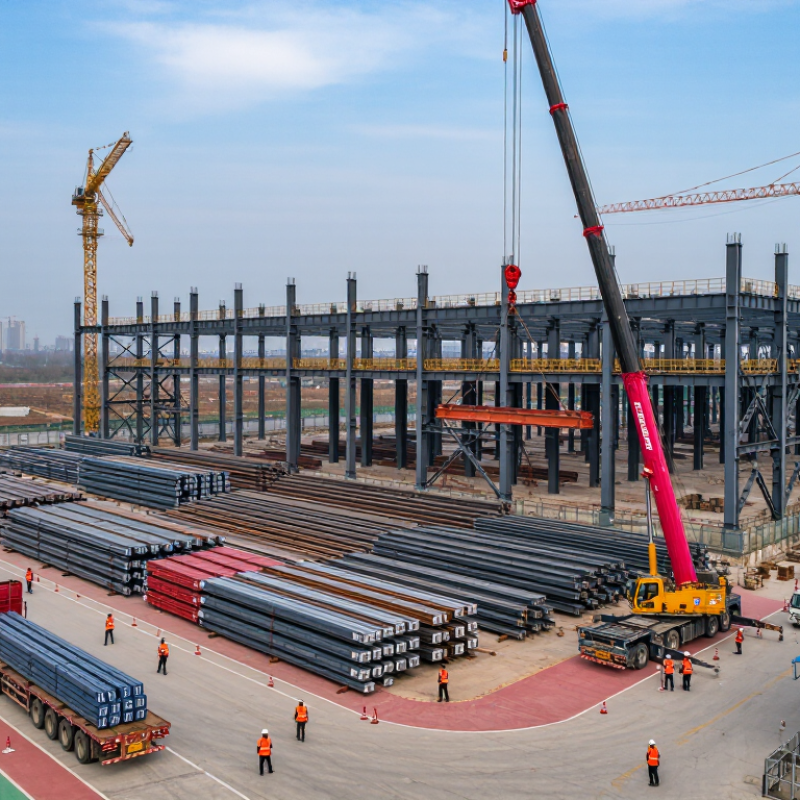
Structural steel logistics starts before the first truck leaves the fabricator. Review erection sequences, connection details, lifting limits, and available site access. Divide deliveries by installation zone, floor, and erection date. This reduces searching, double handling, and crane downtime. Confirm truck dimensions, arrival windows, turning space, and unloading responsibilities with every contractor. A simple delivery register should show piece marks, quantities, weights, and inspection status.
Storage must protect steel from mud, standing water, traffic, and unnecessary movement. Use firm, level dunnage under beams and columns. Keep members separated by size and erection priority. Mark each stack clearly, with labels visible from the access route. Reserve a quarantine area for damaged, unidentified, or incomplete material. It prevents questionable pieces from entering the work sequence. Keep fire lanes, pedestrian paths, and emergency access open.
Material flow works best when the laydown area mirrors the erection plan. Position frequently used pieces near the crane, but never inside its unsafe operating zone. Assign a spotter during reversing and unloading. Check weather forecasts before scheduling oversized deliveries. Wind and wet ground can change a safe plan quickly. Our first storage layout was too optimistic; it ignored rising site traffic. Revising it improved movement, though some stacks still became crowded. Daily walkdowns, updated drawings, and honest records help expose these small failures before they become expensive delays.
Top 10 Structural Steel Site Logistics Solutions
Planning deliveries, storage areas, and material flow through measurable site logistics targets
The chart compares practical performance targets for structural steel site logistics. Appointment adherence, traceable deliveries, organized storage, and controlled lifting reduce waiting time, rehandling, congestion, and material damage. Values are planning benchmarks expressed as percentages, not company-specific results.
Coordinating Cranes, Lifting Paths, and Installation Zones
Top 10 Structural Steel Site Logistics Solutions?
Coordinating Cranes, Lifting Paths, and Installation Zones
Structural steel logistics begins with a clear lifting sequence, not a crowded delivery schedule. Project teams should map crane positions, truck access, laydown areas, and installation zones before steel arrives. This drawing must show swing radii, overhead restrictions, ground-bearing limits, and emergency access. Small details matter. A blocked gate can delay an entire erection crew.
Each lift needs a defined path from delivery point to final connection. Keep pedestrian routes physically separated from suspended loads. Mark exclusion zones with durable barriers, visible signs, and controlled entry points. The appointed lifting team should confirm load weights, rigging points, wind limits, and radio communication before operations begin. No assumption is harmless.
Installation zones should support the planned sequence. Store columns near their first positions, but avoid stacking pieces where cranes need to travel. Use timber supports to prevent distortion and standing water. Check anchor bolts before lifting starts. Rework here is expensive.
Plans change.
A late delivery, soft ground, or unexpected clash may force a new crane position. Reassess the lift, update the method statement, and brief every affected worker. A perfect logistics plan is unlikely. Reliable teams leave space for correction instead of pretending the first plan will survive unchanged. Daily coordination between the crane supervisor, steel erector, surveyor, and site manager keeps decisions visible and traceable.
Applying Digital Tracking and Real-Time Team Communication
Top 10 Structural Steel Site Logistics Solutions?
Applying Digital Tracking and Real-Time Team Communication
Structural steel logistics becomes safer when every member sees the same site picture. Digital tracking records each beam’s location, status, and delivery time. A simple tag can connect the piece to drawings, inspection notes, and lifting requirements. Supervisors can check updates from a phone before sending a crew to the laydown area. This reduces searching, double handling, and avoidable equipment movement.
Real-time communication keeps small changes visible. If a delivery arrives early, the logistics coordinator can update the unloading zone immediately. The lifting team receives a clear message, while the foreman confirms ground readiness. Short status codes work well: received, inspected, staged, lifted, or held. Photos can show damaged edges, missing bolts, or blocked access routes. These records create a reliable trail for quality checks and shift handovers.
No system is flawless. A missed scan can make accurate planning difficult. Workers may also resist extra steps during busy periods. Practical training matters more than complicated software. Teams should review tracking errors during daily briefings, without hiding them. One useful improvement is assigning a person to verify critical updates at each shift change. Clear roles, time-stamped records, and honest communication support safer decisions. The technology helps, but disciplined site habits still control the result.
Improving Safety, Productivity, and Waste Control
Top 10 Structural Steel Site Logistics Solutions
Improving Safety, Productivity, and Waste Control
Structural steel logistics starts with a delivery schedule matched to the erection sequence. Early planning prevents trucks from waiting beside active lifting zones. Separate delivery windows reduce congestion and unnecessary idling. Marked laydown areas keep steel bundles stable, visible, and accessible. Bundle tags should show piece numbers, weights, and installation locations. This simple detail saves time during busy shifts.
Safe access routes need firm ground, clear signs, and regular inspections. A lifting plan should define crane positions, exclusion zones, signal methods, and emergency access. Weather checks matter, especially when wind affects long members or suspended loads. Covered storage protects connections from mud and standing water. Daily housekeeping removes loose packing materials, sharp bands, and trip hazards. Keep it practical.
Digital inventory records can show what arrived, what moved, and what remains. They also expose missing pieces before the crane is booked. Separate steel offcuts, timber, wrapping, and general waste at collection points. Reusing suitable dunnage can reduce disposal volume, but damaged materials must not return to service. Our early layouts were too optimistic. They looked efficient on paper, yet small delivery delays quickly blocked the main route. A trial setup, followed by worker feedback, usually reveals these weak points. Progress improves when supervisors review near misses, damaged materials, and wasted movements without hiding uncomfortable details.
FAQS
It controls steel, workers, cranes, tools, vehicles, and information across a changing worksite.
Planning should begin before fabrication. Delivery timing must match erection zones, crane capacity, and available storage.
Correct sequencing reduces searching and double handling. A misplaced column can block access for an entire shift.
Inspect gates, ground conditions, overhead lines, slab strength, turning space, and emergency access. Software cannot see mud.
Tags can record each piece’s location, status, delivery time, weight, and installation area.
Teams should share time-stamped updates, photos, blocked routes, damaged edges, missing bolts, and held materials.
Define crane positions, lifting points, exclusion zones, signal methods, weather limits, and emergency routes before lifting begins.
Separate steel offcuts, timber, wrapping, and general waste. Reuse suitable dunnage only after checking its condition.
Early layouts may look efficient on paper. Trial setups and worker feedback often reveal blocked routes and unrealistic delivery assumptions.
No system is flawless. Missed scans and rushed updates still happen, so daily reviews and clear responsibilities remain essential.
Conclusion
Structural steel site logistics is the coordinated planning and control of materials, equipment, people, and work areas throughout a construction project. Effective solutions begin with scheduling deliveries according to installation priorities, preparing secure and accessible storage areas, and organizing material flow to reduce unnecessary handling. Clear layout planning helps ensure that steel components arrive where and when they are needed without disrupting other trades or creating site congestion.
Successful logistics also requires close coordination of cranes, lifting paths, and installation zones so that loads can be moved safely and efficiently. Digital tracking tools and real-time communication allow teams to monitor deliveries, update schedules, and respond quickly to changing site conditions. By combining practical planning with accurate information sharing, contractors can improve safety, increase productivity, reduce material damage and waste, and maintain better control over project costs and deadlines.