Saudi import compliance can feel confusing when a shipment waits at the port. The 2026 guide to Saudi SABER customs certification explains the process in practical terms. It connects product conformity requirements with customs clearance in Saudi Arabia. SABER is an online platform linked to the Saudi Standards, Metrology and Quality Organization, known as SASO.
The process usually begins with identifying the correct HS code and product category. An importer or authorized representative then registers the product in SABER. Depending on the product, a conformity assessment may be required from an approved certification body. After approval, the Product Certificate of Conformity can support the shipment process. Each shipment may also require a Shipment Certificate of Conformity before arrival or clearance.
Details matter.
A product label, test report, invoice, or model number can create delays when they do not match. For example, a carton showing one model code may conflict with the certificate record. Experienced compliance teams check these details before booking transport. They also confirm whether the product falls under a regulated technical requirement.
Rules and platform procedures can change. This guide should therefore be used with current SASO publications and official SABER instructions. It is also wise to confirm requirements with a qualified certification provider or Saudi importer. The process is not always smooth. Some classifications remain open to interpretation, especially for products with multiple functions.
Reliable preparation reduces avoidable costs. Clear documents, accurate product descriptions, and early communication can make customs handling more predictable. This guide presents Saudi SABER customs certification as a compliance responsibility, not merely an online form.
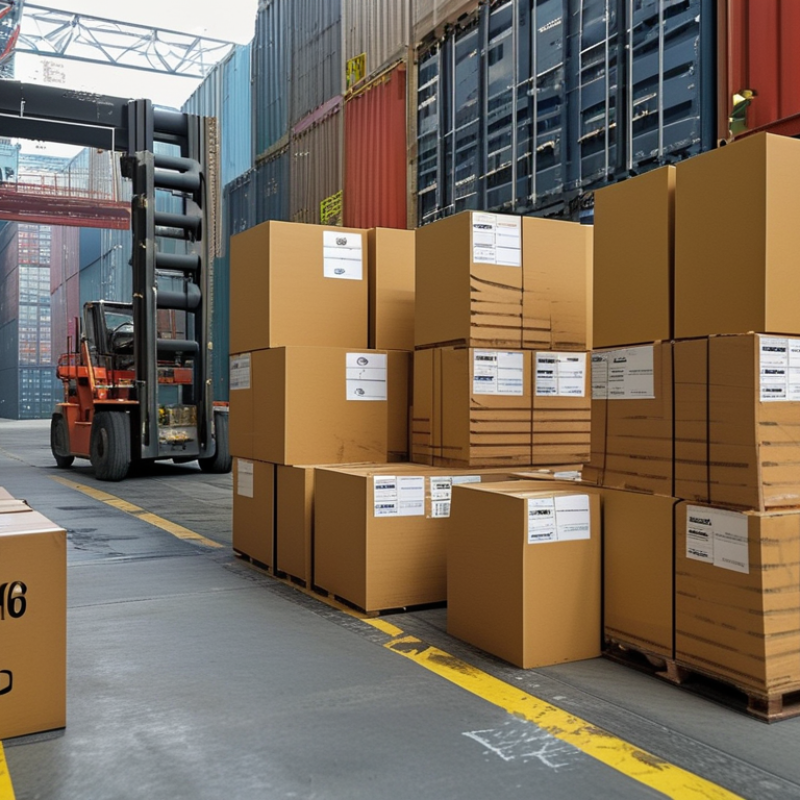
Saudi SABER Customs Certification: Purpose and Regulatory Scope
2026 Top Saudi SABER Customs Certification Guide
Saudi SABER customs certification supports conformity control for imported regulated products. It operates through an electronic registration and certification process. Importers usually submit product details, technical documents, and the correct HS code. An approved conformity assessment route may lead to a Product Certificate of Conformity. Each shipment may also require a Shipment Certificate of Conformity before customs clearance. The exact route depends on the product category and applicable technical regulation.
Its regulatory scope is not identical for every shipment. Household goods, electrical products, construction materials, and machinery may follow different requirements. Authorities may review labeling, safety information, test reports, and country-of-origin details. Product data must match invoices, packaging, and shipping records. A small mismatch can delay release. In practice, the process is rarely perfectly linear. Requirements can change, and older guidance may become unreliable.
Tips: Confirm the HS code before preparing documents. Check whether the product falls under a regulated technical category. Use recent test reports from a qualified laboratory when required. Keep Arabic labeling and user instructions consistent with the approved product record. Do not assume one certificate covers every model or shipment. That assumption often causes avoidable corrections. Verify current requirements through official Saudi regulatory channels before shipment.
Product Classification and Saudi Conformity Requirements
2026 Top Saudi SABER Customs Certification Guide
Product Classification and Saudi Conformity Requirements
Saudi market access begins with accurate product classification. Importers should identify the correct HS code before requesting conformity services. This code influences applicable technical regulations, testing needs, and customs treatment. Product details must match the invoice, packaging, photographs, and technical file. Small errors spread quickly.
A careful review should cover materials, intended use, model numbers, dimensions, and electrical ratings. The assigned category may require laboratory testing, factory documents, labeling evidence, or safety information. In the SABER platform, the importer or authorized representative normally seeks a Product Certificate of Conformity. Each shipment may also require a Shipment Certificate of Conformity. Requirements can vary by product type and current Saudi rules.
Do not treat classification as a simple administrative step. Two similar products may follow different conformity paths because of composition or intended use. In practice, incomplete translations and inconsistent specifications often delay approval. That part is easy to underestimate. A reliable process compares every document before submission and checks regulatory updates before shipment. I would also record the classification rationale, even when the decision seems obvious. It creates an audit trail and exposes weak assumptions. Customs readiness depends on consistent evidence, not one certificate alone.
The chart presents the typical Saudi SABER compliance sequence. HS-code and product classification determine whether conformity assessment is required. For regulated products, a Product Certificate of Conformity is generally obtained before shipment, followed by a Shipment Certificate of Conformity for each applicable shipment. Exact requirements depend on the product category, technical regulation, and customs classification.
SABER Registration and Conformity Assessment Process
Saudi SABER Customs Certification Guide: SABER Registration and Conformity Assessment Process
SABER registration links imported products with Saudi technical regulations before customs clearance. Importers create a product record, identify the applicable regulation, and upload accurate product details. These may include the model number, manufacturer information, user instructions, and test reports. Small data errors can delay approval. They happen often.
The conformity assessment process normally begins with selecting an approved assessment provider. The provider reviews product documents and may request laboratory evidence, factory records, or shipment details. After compliance is verified, a Product Conformity Certificate is issued. Each shipment may then require a Shipment Conformity Certificate before customs release. Product descriptions must match across invoices, certificates, packaging, and declarations.
This process supports Saudi Arabia’s wider trade-quality controls. The World Bank Logistics Performance Index 2023 ranked Saudi Arabia 38th among 139 economies, with an overall score of 3.4. Efficient documentation directly supports that performance. The World Trade Organization’s 2024 trade policy review also highlights technical regulations and conformity assessment as important import requirements. In practice, experienced teams check requirements before shipping, not after arrival. A missing test standard can be costly. A certificate alone may not prove compliance if the product model differs. Requirements can also change, so relying on an old checklist is risky. Some exporters still treat registration as paperwork only. That approach needs reconsideration.
Shipment Certification and Customs Clearance Steps
In 2026, Saudi importers should prepare product certification before shipping goods. The process usually begins with accurate product details, including the HS code, origin, model number, and intended use. Small errors matter. A wrong classification may delay approval or trigger additional review. The importer should confirm the applicable technical requirements and appoint an approved conformity assessment provider when needed.
The conformity assessment stage normally requires test reports, product specifications, labels, photographs, invoices, and manufacturer declarations. After document review, the responsible party applies for the product conformity certificate through the Saudi conformity platform. Each shipment may then require a separate shipment certificate, linked to the approved product and commercial invoice. Keep records. They help resolve questions quickly.
Before customs clearance, the importer should check the shipment certificate, packing list, bill of lading, country-of-origin details, and customs declaration. The declared information must match the physical cargo. Customs may inspect packages, labels, or supporting documents. Clearance can also depend on duties, taxes, permits, and product-specific controls. Requirements change, and online guidance may not always explain every exception. That is where practical review becomes valuable. Experienced teams recheck documents before dispatch, but they still make occasional mistakes. A final comparison against current official requirements is worth the extra hour.
2026 Compliance Updates, Costs, and Common Application Issues
In 2026, Saudi SABER compliance requires tighter document control and clearer product classification. Importers should confirm the correct HS code, product category, and applicable technical regulation before shipment. A small classification error can trigger repeated reviews, extra testing, or port delays. Check the official requirements before paying any assessment fee.
Costs vary by product risk, testing scope, certificate type, and shipment frequency. Typical expenses may include conformity assessment, laboratory testing, product registration, and shipment certification. Testing can become the largest cost when reports are outdated or issued for a different model. Budget for translation, document correction, and possible retesting. Fees are not always predictable.
Common application issues are practical, not dramatic. The model number on the invoice must match the report and product label. Manufacturer details should remain consistent across every document. Missing Arabic information, unclear photographs, expired reports, and incomplete authorization letters often slow approval. I have seen applicants submit technically strong files with one inconsistent serial reference. That single detail caused rework. Do not assume a previous approval guarantees the next shipment. Regulations, categories, and portal fields may change during 2026. Keep a dated compliance file, review documents before submission, and record every correction. Some guidance remains open to interpretation, so written confirmation from an authorized assessment body is safer than relying on informal advice.
FAQS
It supports customs control and product conformity. Importers usually submit product details, technical documents, and the correct HS code. Approval may lead to a product conformity certificate.
Household goods, electrical products, construction materials, and machinery may have different requirements. Materials, intended use, and technical features affect classification. Similar products may follow separate routes.
The HS code influences technical regulations, testing needs, and customs treatment. Confirm it before preparing documents. A wrong code can trigger delays or extra review.
Authorities may request test reports, specifications, labels, photographs, invoices, and manufacturer declarations. They may also review origin details and safety information. Keep Arabic instructions consistent.
Not always. Each shipment may need a separate shipment conformity certificate. The shipment certificate usually links to the approved product and commercial invoice.
Model numbers, dimensions, electrical ratings, origin, packaging, invoices, and photographs should agree. Even a small mismatch can delay release. Details spread quickly.
Compare the shipment certificate, packing list, bill of lading, customs declaration, and physical cargo. Check labels and package markings. Also review duties, taxes, permits, and product-specific controls.
Yes. Technical rules and online guidance may change. Older instructions can become unreliable. Verify current requirements through official Saudi regulatory channels before shipment.
Record the classification rationale and keep an audit trail. Use recent reports from qualified laboratories when required. Recheck every document before dispatch. An extra hour helps, though mistakes still happen.
Conclusion
Saudi SABER customs certification is a key compliance process for companies exporting regulated products to Saudi Arabia. This guide explains its purpose, regulatory scope, and the importance of correctly classifying products before shipment. It outlines how product categories determine the applicable Saudi conformity requirements, technical documentation, testing, and assessment procedures. Exporters can also learn how to create a SABER account, submit product information, select an approved conformity assessment provider, and obtain the required certificates.
The guide further describes shipment certification and the steps needed to support efficient customs clearance, including matching shipment details with approved product records and certificates. It also reviews expected 2026 compliance updates, potential certification and service costs, and common application issues such as inaccurate product descriptions, incomplete documents, incorrect HS codes, and inconsistent importer or manufacturer information. By following a structured process and keeping records accurate and current, businesses can reduce delays and improve readiness for Saudi market entry.