
Specialized Heavy Equipment & Cargo Shipping Solutions
Engineered for seamless China-to-GCC cross-border operations, marine asset transfer, oilfield logistics, and hazardous goods haulage.
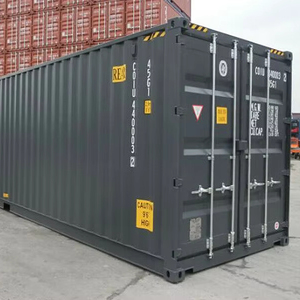
Sea Shipping Cargo Second Hand 20/40/45GP Reefer/flat Rack/open Top Side Open Containers for Trading on Sale
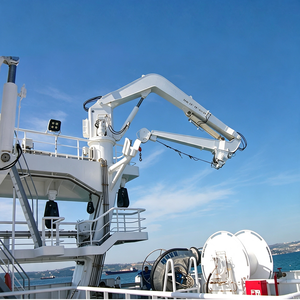
Offshore Knuckle Boom Marine Crane High Flexibility Hydraulic Ship Crane for Vessel Cargo Maintenance Operations
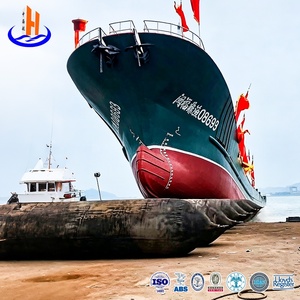
ZHH Heavy-Duty Rubber Oil Rig Barge Transfer Airbags Flotation Units Long Life Span for Boat Offshore Platform Logistics Made
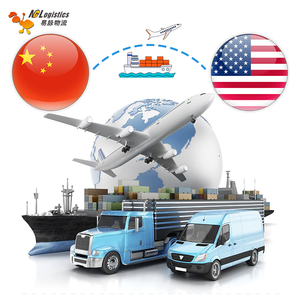
Dangerous Cargo Shipping Container Sea/Ocean Freight Services From China to California/Texas Hazardous Goods Shipping
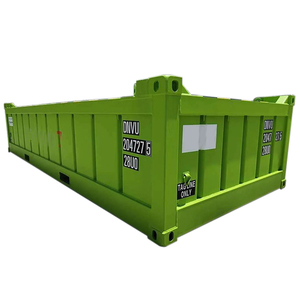
DNV Offshore Basket Portable tank Van Container Sea Shipping Container for Transporting Equipment for Oil Rigs
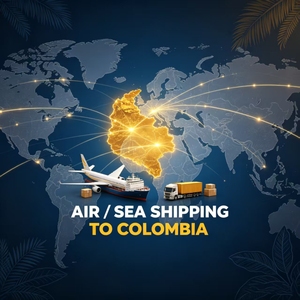
Heavy Machinery Sea Freight to Colombia Port | Rotary Industrial Equipment & Large Spare-Parts
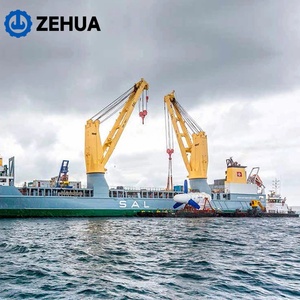
5t 10t 20t 30t 50t 70t Suitable for deck mounting on cargo ships tankers fishing vessels and offshore platforms
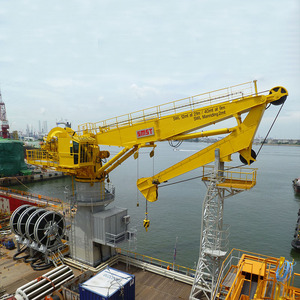
High Performance Marine Knuckle Crane for Offshore Cargo Transfer and Flexible Deck Handling
1. Operational Architecture of China-to-GCC Cross-Border Land Logistics
In an era defined by global supply chain realignment, the trade corridor connecting Chinese manufacturing epicenters (such as Ningbo, Shenzhen, Shanghai, and Qingdao) with the Gulf Cooperation Council (GCC) economic zone demands unprecedented reliability, operational agility, and regulatory oversight. As a leading manufacturer-exporter partner and premier GCC cross-border trucking operator, Nuraak Gulf bridges maritime freight arrivals with high-velocity overland haulage across Saudi Arabia, the United Arab Emirates, Kuwait, Qatar, Bahrain, and Oman.
The core systemic weakness in international trade does not occur while vessels are at sea or trucks are cruising on highways; it occurs at the critical handovers—where cargo shifts from maritime bills of lading to border customs manifests, bonded warehouses, and last-mile heavy haulage trailers. By delivering a unified single-operator framework, Nuraak Gulf eliminates multi-vendor friction, preventing costly delays at key border checkpoints such as Al Batha (KSA-UAE border), Khafji (KSA-Kuwait border), and the King Fahd Causeway (KSA-Bahrain linkage).
Rather than routing ocean freight through congested single-destination sea ports, leading supply chain directors leverage dual-coast Saudi sea gateways (Jeddah Islamic Port on the Red Sea and King Abdulaziz Port in Dammam on the Arabian Gulf). Cargo is unladen, cleared in-house via FASAH and Bayan customs portals within hours, and transferred onto specialized cross-border fleets bound for Riyadh, Dubai, Abu Dhabi, Muscat, or Doha—saving 5 to 9 days in total transit time compared to purely maritime feeder loops.
2. In-House Customs Engineering & Regulatory Compliance
Navigating the regulatory matrix of the GCC demands absolute precision regarding product standards, tariff classification (HS Code mapping), and digital clearance platforms. A single missing Certificate of Conformity or incorrect declaration code can trigger severe demurrage penalties and customs holds. Nuraak Gulf operates with in-house licensed customs brokers directly integrated with government compliance infrastructure.
- SABER Platform Integration: Automated registration of Product Certificates of Conformity (PCoC) and Shipment Certificates of Conformity (SCoC) for all regulated goods entering the Kingdom of Saudi Arabia.
- FASAH System Direct Filing: Real-time electronic customs declaration submission prior to vessel vessel berth, enabling immediate gate-out authorization upon container discharge.
- SFDA Cold-Chain Protocols: Specialized clearance management for Saudi Food and Drug Authority regulated commodities, maintaining active temperature logging throughout customs inspection.
- TIR Carnet & GCC Unified Customs Duty: Streamlined transit under the GCC Unified Customs Law, utilizing single-window border clearances to facilitate duty-exempt transit cargo moving between member states.
This deep integration ensures that goods exported from Chinese factories arrive at their GCC final destinations without encountering bureaucratic friction or unbudgeted terminal storage expenses.
Specialized Cross-Border Heavy Fleet Configuration
Custom-engineered trailer specs designed for harsh Middle Eastern climates, heavy industrial payloads, offshore oilfield equipment, and reefer cold chains.
| Equipment Category | Payload Capacity | Dimensional Range (L × W × H) | Specialized Systems & Features | Target Industry Application |
|---|---|---|---|---|
| Heavy Duty Lowbed Trailer | 40 Ton – 120 Ton | 13.6m to 18.0m × 3.0m × 0.9m | Hydraulic ramps, multi-axle steering, air-suspension levelling | Construction plant, excavators, turbines, transformers |
| Multi-Axle Hydraulic Modular Trailer | Up to 450 Ton | Combinable modular length arrays | Synchronized stroke hydraulics, wireless steering, load distribution grid | Oil rig modules, pressure vessels, OOG project cargo |
| Climate-Controlled Reefer Truck | 22 Ton – 28 Ton | 40ft / 45ft ISO High-Cube Reefer | Dual-redundant Carrier/Thermo King units, IoT GPS temperature logging | Pharmaceuticals, fresh food, temperature-sensitive chemicals |
| Flatbed & Side-Wall Trailer | 30 Ton – 35 Ton | 12.2m to 15.0m Standard / Extendable | Heavy-duty twist locks, removable side cages, certified lashing points | General containerized cargo, structural steel, packaged resin |
| DNV Offshore Basket & Tank Container | 10 Ton – 25 Ton | DNV 2.7-1 Certified Standard Sizes | Integrated lifting slings, hazardous liquid containment, marine-grade steel | Offshore oil rig maintenance, chemical transport, marine deck supply |
Future Procurement & Development Trends in GCC Cross-Border Haulage
Key macro trends shaping cross-border logistics between China, Saudi Arabia, and the broader GCC economic zone.
1. Green Corridor Logistics & Fleet Decarbonization
Aligned with Saudi Arabia Vision 2030 and the UAE Net Zero 2050 strategy, international procurement contracts increasingly stipulate carbon auditing for overland transportation. The industry is rapidly transitioning toward Euro VI diesel engines, LNG-powered heavy trucks, and pilot electric haulage routes along key regional freight corridors like Dammam-Riyadh and Dubai-Abu Dhabi.
2. AI-Driven IoT Telematics & Predictive Border Clearance
Static tracking is obsolete. Modern cross-border procurement requires predictive visibility. Next-generation fleets feature integrated IoT sensors that transmit real-time telemetry (door lock security, temperature status, tire pressure, driver alertness, and GPS geolocation) directly into centralized control towers, allowing border agents to pre-clear compliant cargo prior to truck arrival at customs gates.
3. Integration with the GCC Railway Master Plan
As the GCC Railway project links Saudi Arabia, UAE, Bahrain, Kuwait, Qatar, and Oman via rail, trucking operators are adapting to a hybrid intermodal model. Cross-border road haulers will act as agile feeder links connecting rail dry ports with remote construction mega-projects (such as NEOM, Red Sea Project, and Qiddiya) and industrial cities (Jubail, Yanbu, ICAD).
The Nuraak Gulf Operational Advantage
Built upon years of hands-on experience in cross-border execution, custom asset ownership, and regulatory expertise.
1 End-to-End Single-Entity Accountability
We do not broker your cargo to untrusted third-party drivers. Nuraak Gulf owns and operates its core transport fleet, managed under strict ISO quality standards. From original booking in China through maritime shipping to final offloading at a job site in Dammam, Riyadh, or Dubai, one dedicated account coordinator manages your file.
2 Proactive Demurrage Prevention Protocol
Container demurrage and detention charges severely erode supply chain margins. Our operations desk tracks free-time windows continuously. By initiating customs paperwork (SABER, FASAH, SFDA) days before vessel arrival, we clear cargo within 24 to 48 hours of discharge, mounting containers onto waiting trailers immediately.
3 Specialized Heavy-Lift & Out-of-Gauge (OOG) Expertise
Transporting over-dimensional industrial machinery, marine cranes, and oilfield equipment across GCC borders requires engineered route surveys, bridge load assessments, escort vehicle permits, and specialized lashing certifications. Our heavy-lift division manages every permit requirement from municipal transport authorities.
4 24/7 Operations Desk & Real-Time Milestone Reporting
Supply chains operate around the clock. Our 24/7 control tower provides proactive status updates at critical operational milestones: Gate-Out, Border Arrival, Customs Clearance Release, Border Crossing, and Final Site Delivery with digital Photo Proof of Delivery (e-POD).
Frequently Asked Questions (FAQ) for GCC Procurement
Detailed answers to essential questions regarding China-to-GCC cross-border shipping, land transport, customs, and heavy equipment logistics.
What specific cross-border trucking routes does Nuraak Gulf operate within the GCC?
• Saudi Arabia to UAE: Dammam/Riyadh through the Al Batha border post into Abu Dhabi & Jebel Ali, Dubai.
• Saudi Arabia to Bahrain: Direct express shuttles across the King Fahd Causeway linking Eastern Province hubs with Manama.
• Saudi Arabia to Kuwait: Northbound transit via the Khafji and Nuwaiseeb border gates.
• Saudi Arabia to Qatar: Eastern transit through the Salwa border crossing.
• Saudi Arabia to Oman: Direct southern land corridor via the Rub al-Khali (Empty Quarter) highway crossing at Al Rub al-Khali / Ramlat Kalia post.
How are customs duties and taxes handled during cross-border transit between GCC nations?
What documentation is required for importing heavy machinery or offshore equipment from China into Saudi Arabia?
1. Commercial Invoice & Detailed Packing List: Stating serial numbers, net/gross weights, and HS codes.
2. Original Bill of Lading (B/L) or Express Release Waybill.
3. SABER Product & Shipment Certificates of Conformity (PCoC / SCoC): Registered via the online SABER system prior to shipping.
4. Certificate of Origin (CoO): Attested by the relevant chamber of commerce in China.
5. For Offshore/DNV Cargo: DNV 2.7-1 / EN 12079 inspection certificates and sling load test documentation.
How does Nuraak Gulf ensure cold chain integrity for temperature-sensitive reefer cargo?
What is the typical transit time for cross-border land freight between key GCC commercial centers?
• Dammam (KSA) to Dubai (UAE): 24 to 36 hours.
• Riyadh (KSA) to Abu Dhabi (UAE): 36 to 48 hours.
• Jeddah (Red Sea Coast) to Dammam / Eastern Province: 18 to 24 hours.
• Dammam (KSA) to Manama (Bahrain): Same-day delivery (6 to 10 hours including causeway clearance).
• Dammam (KSA) to Kuwait City: 18 to 24 hours.