
Featured Offshore, Marine & Heavy Transport Equipment
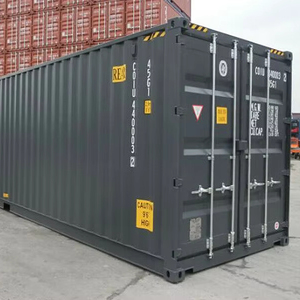
Sea Shipping Cargo Second Hand 20/40/45GP Reefer/flat Rack/open Top Side Open Containers
- ISO 6346 CSC Safety Approved
- Reefer, Flat-Rack & Open-Top Units
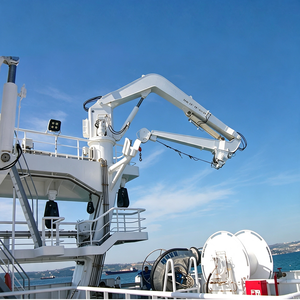
Offshore Knuckle Boom Marine Crane High Flexibility Hydraulic Ship Crane for Vessel Cargo
- Electro-Hydraulic Power Unit
- ABS/DNV-GL Class Certified
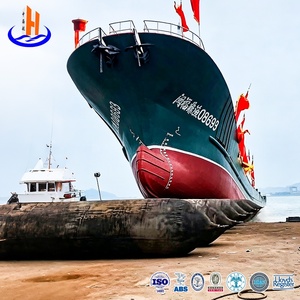
ZHH Heavy-Duty Rubber Oil Rig Barge Transfer Airbags Flotation Units Long Life Span
- Multi-layer Synthetic Cord Reinforcement
- ISO 14409 Ship Launching Standard
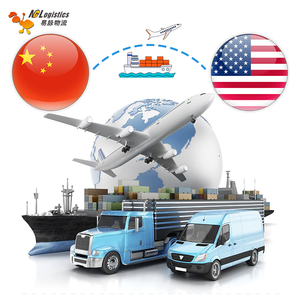
Dangerous Cargo Shipping Container Sea/Ocean Freight Services Hazardous Goods Logistics
- IMO Class 1-9 Hazmat Compliance
- UN Certified Packaging & Marking
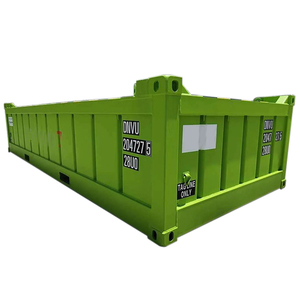
DNV Offshore Basket Portable Tank Van Container Sea Shipping Container for Oil Rigs
- DNV 2.7-1 / EN 12079 Standard
- Pad Eye Rigging Slings Included
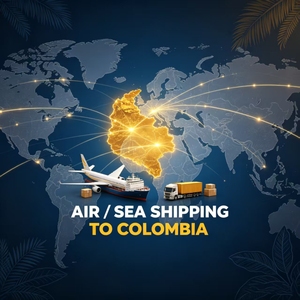
Heavy Machinery Sea Freight | Rotary Industrial Equipment & Large Spare-Parts Solutions
- Breakbulk & OOG Project Cargo
- Custom Lashing & Dune Loading
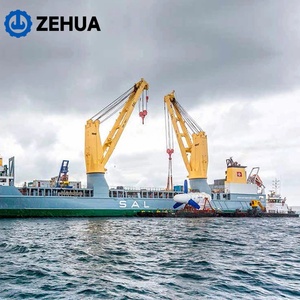
5t 10t 20t 30t 50t 70t Deck Mounting Cranes for Cargo Ships, Tankers & Offshore Platforms
- 360-Degree Continuous Slewing
- Explosion-Proof Marine Duty
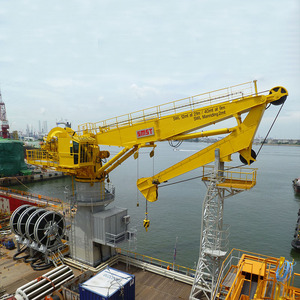
High Performance Marine Knuckle Crane for Offshore Cargo Transfer & Deck Handling
- Variable Radius Hydraulic Control
- Salt-Spray Resistant Painting
Executive Summary: The Strategic Pivot of China-GCC Trade via Al Batha Land Port
As trade volumes between the People’s Republic of China and the Gulf Cooperation Council (GCC) reach unprecedented historic highs, international supply chain directors are increasingly forced to re-evaluate traditional direct ocean routes into Arabian Gulf ports. Maritime bottlenecks in the Strait of Hormuz, shifting carrier schedules, and port congestion at Dammam and Jubail have accelerated the adoption of the UAE–Al Batha Land Freight Corridor. This multimodal logistics framework combines ocean transit from major Chinese manufacturing hubs—such as Ningbo-Zhoushan, Shenzhen, Qingdao, and Shanghai—to primary UAE sea terminals (Jebel Ali, Khalifa Port), followed by rapid, bonded overland trucking across the Al Batha (Al Ghuwaifat) border point into the Kingdom of Saudi Arabia.
This technical whitepaper outlines the structural advantages, regulatory compliance standards, equipment procurement specifications, and operational workflows required for Chinese manufacturers, suppliers, and EPC contractors exporting specialized industrial, offshore, and hazardous equipment into Saudi Arabia and the wider GCC region.
Navigating cross-border logistics across the Al Batha land border requires deep integration with Saudi Customs (ZATCA), mastery of the SABER online conformity portal, in-house FASAH brokerage clearance, and dedicated land fleets certified for desert transit. As a premier Saudi-based logistics operator headquartered in Dammam, Nuraak Gulf (Milky Logistics) acts as the single accountable bridge managing origin freight forwarding in China, maritime booking, UAE transshipment clearance, cross-border haulage through Al Batha, and final door-to-door delivery across Saudi Arabia.
Technical Deep-Dive: Core Equipment Procurement for GCC Offshore & Industrial Projects
Procuring heavy machinery and offshore assets from Chinese suppliers requires rigorous alignment between manufacturing standards and GCC field operational realities. Below is an analytical evaluation of the primary product categories critical to Saudi Arabia's Megaprojects (NEOM, Red Sea Project, Aramco offshore expansions) and how they must be transported over the Al Batha land route:
1. ISO Cargo & Specialized Containers
Used and refurbished 20GP, 40GP, 45GP containers, alongside Flat-Rack, Open-Top, and Side-Open units, form the backbone of cross-continental trade. When exporting from China to KSA via Al Batha, containers must undergo strict CSC (Container Safety Convention) plate inspection to ensure structural integrity during double-handling at transshipment yards.
2. Offshore Knuckle Boom Cranes
Hydraulic ship cranes designed for deck mounting (capacities ranging from 5t to 70t) demand specialised corrosion protection (C5-M marine paint standards) and ABS/DNV class certificates. Transporting these oversized assets overland from UAE to KSA requires heavy lowbed semi-trailers certified for axle load limits under GCC transport regulations.
3. Rubber Flotation Airbags & Barges
High-pressure rubber marine airbags engineered for oil rig barge transfers and ship launching must comply with ISO 14409. Procurement logistics must safeguard against extreme thermal variance during transit across the Empty Quarter desert corridor via Al Batha, utilizing climate-monitored enclosed trailers when required.
4. Hazardous Goods & Hazmat Logistics
China-origin dangerous cargo (IMO Class 2, 3, 6, 8, 9 chemicals and oilfield fluids) bound for Saudi oilfields requires UN-certified packaging, MSDS translation into Arabic, and prior customs clearance authorization from the Saudi Ministry of Interior and ZATCA before border dispatch.
5. DNV 2.7-1 Offshore Baskets & Tank Vans
Portable offshore containers, cargo baskets, and ISO tank vans intended for offshore oil platforms must conform to EN 12079 / DNV 2.7-1 standards. Proof of non-destructive testing (NDT) and sling certification must be attached to the SABER e-portal documentation prior to entry at Al Batha.
6. Heavy Rotary Machinery & Industrial Spares
Breakbulk rotary equipment, industrial gearboxes, and large spare parts shipped to Saudi ports or via UAE land transit demand detailed load-distribution planning, center-of-gravity calculations, and specialized multi-axle hydraulic trailers for final-leg transport.
Multimodal Logistics Architecture: Direct Sea vs. UAE Land Corridor (Al Batha)
Selecting the optimal route from China to Saudi project sites requires evaluating landed costs, transit time predictability, and customs inspection flexibility. The table below presents an enterprise-level operational comparison between direct maritime discharge at Dammam/Jeddah and the sea-land feeder corridor via Jebel Ali / Al Batha land border.
| Logistics Metric | Direct Ocean Freight (China → Dammam Port) | UAE Sea-Land Transit (China → Jebel Ali → Al Batha → KSA) | Strategic Advantage |
|---|---|---|---|
| Average Transit Time | 24 – 30 Days (Subject to port queue) | 18 – 22 Days (Expedited feeder + truck) | 6-8 Days Faster |
| Customs Clearance Hub | Dammam Seaport Customs (ZATCA) | Al Batha Land Border Post (ZATCA) | Faster border processing at land frontier |
| Demurrage Risk Exposure | High (Container free-time limited at port) | Low (Transferred to land trailer, zero port storage) | Mitigates non-operational container fees |
| Regulatory Documentation | SABER PCoC + SCoC, Bill of Lading | SABER PCoC + SCoC, GCC Land Transit Manifest | Pre-clearance at border prior to truck arrival |
| Heavy/OOG Transport Capability | Subject to port crane availability | Direct lowbed trailer roll-off from transshipment yard | Superior handling for heavy machinery & cranes |
| Destination Flexibility | Fixed to port hinterland | Direct route to Riyadh, Eastern Province, or Western KSA | Bypasses regional port congestion |
SABER & FASAH Regulatory Framework for Al Batha Land Border Entry
Under Saudi Customs (ZATCA) mandates, all industrial goods and equipment originating in China entering through Al Batha must strictly adhere to the Saudi Product Safety Program (SALEEM). Compliance is enforced via the SABER e-platform:
- Product Certificate of Conformity (PCoC): Issued by a SASO-accredited conformity assessment body in China prior to shipment loading, validating that the machinery meets Saudi technical regulations.
- Shipment Certificate of Conformity (SCoC): Obtained for every individual shipment batch moving across the Al Batha border point, linked directly to the commercial invoice and land transit manifest.
- FASAH Customs Portal Clearance: Nuraak Gulf's in-house licensed customs brokers submit digital declarations prior to truck arrival at Al Batha, reducing frontier dwell time to under 12 hours for compliant shipments.
- SFDA & Chemical Authorization: Hazardous chemicals and food-grade machinery require specialized clearance permits registered with the Saudi Food and Drug Authority (SFDA) prior to border dispatch.
Future Procurement & Logistics Trends: China to GCC Supply Chains (2026–2030)
As Saudi Vision 2030 reaches its strategic peak and GCC infrastructure integration accelerates, the dynamics of procuring heavy equipment and freight services from China are undergoing five major structural transformations:
1. Expansion of GCC Railway Freight Links
The progressive commissioning of the GCC Railway network connecting the UAE rail system to Saudi Arabia via the Al Batha corridor will transition high-density containerized cargo from long-haul trucks to heavy freight rail, reducing land transport carbon emissions by over 60% and lowering overland freight tariffs.
2. Digital Border Integration & Pre-Clearance
ZATCA and UAE Customs are fully integrating blockchain-enabled EDI systems. In-transit cargo tracking technology will allow automatic document verification while trucks are en route from Jebel Ali to Al Batha, enabling non-stop green-lane border crossings for audited tier-1 importers.
3. Growth of Electric & LNG Heavy Haul Fleets
ESG mandates enforced by major project owners (Aramco, SABIC, NEOM) require logistics partners to decarbonize land transport. Transport fleets servicing the China-GCC Al Batha route are rapidly converting to Dual-Fuel LNG and heavy electric trucks for regional border transfers.
Procurement managers must move away from purchasing equipment on simple FOB or CIF terms and instead adopt total landed cost frameworks (DDP/DAP) managed by a unified logistics service provider capable of absorbing regulatory risk and guaranteeing lead times.
Enterprise Advantage: The Nuraak Gulf Operational Infrastructure
Nuraak Gulf Company (Milky Logistics) operates as a licensed, fully integrated Saudi logistics enterprise. Rather than splitting accountability across disconnected ocean brokers, border clearance agents, and third-party trucking lines, Nuraak Gulf provides a single point of operational control.
Headquarters & Strategic Hubs
Headquartered in Dammam (King Faisal Street, Building 2853), Nuraak Gulf maintains operational control centers across seven primary Saudi gateways: Dammam, Jubail, Riyadh Dry Port, Jeddah Islamic Port, King Abdullah Port, Yanbu, and the Al Batha border post.
Company-Owned Fleet Assets
We own and operate a heavy transport fleet comprising multi-axle flatbeds, heavy lowbeds for oversized machinery, temperature-controlled reefers, and specialized hazardous goods trailers certified for cross-border transit between KSA, UAE, Bahrain, Kuwait, Qatar, and Oman.
In-House Customs Brokers
Our licensed customs clearance team directly handles FASAH registration, SABER conformity validation, and SFDA inspections without subcontracting to third-party brokers. This eliminates administrative delays and guarantees accurate HS code duty classification.
Our 24/7 active operations control desk monitors all China-origin shipments from origin port departure through UAE transshipment and Al Batha land clearance to final on-site delivery. Same-day quotation turnarounds are provided for standard freight enquiries submitted before 2:00 PM.
Comprehensive Freight Procurement FAQ (China to KSA via Al Batha)
Below are technical answers to key questions raised by procurement officers, project managers, and logistics directors importing goods from China to Saudi Arabia via the UAE land corridor:
Why choose the Al Batha land freight route over direct sea shipping to Saudi ports?
How does the SABER certification process work for Chinese machinery entering via Al Batha?
Can Nuraak Gulf handle heavy marine cranes and oversized out-of-gauge (OOG) cargo?
What documentation is required for hazardous cargo moving through the Al Batha border point?
What is the turnaround time for receiving a freight quotation from China to Saudi Arabia?
Does Nuraak Gulf offer cargo insurance for cross-border land movements?
Optimize Your China-to-GCC Supply Chain Today
Connect directly with our senior operations desk in Dammam. Get accurate landed cost estimates, SABER compliance guidance, and seamless Al Batha land border freight execution.
Get a Quote