

Recommended Petrochemical & Offshore Transport Fleet
Explore our precision-engineered ISO tank containers, DNV-certified offshore units, specialized reefers, and heavy deck equipment designed for global industrial shipping.
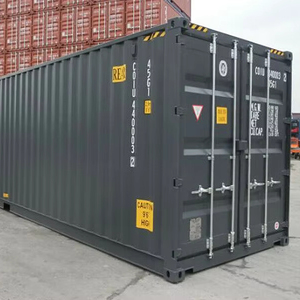
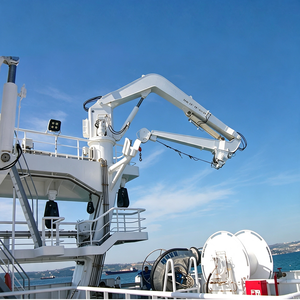

High-Purity Petrochemical ISO Tank Manufacturing & Global Intermodal Standards
An authoritative analysis of structural metallurgy, hazardous cargo containment, pressure vessel certifications, and cross-border regulatory compliance for global liquid bulk procurement.
E-E-A-T Technical Baseline: Modern petrochemical bulk transport requires absolute zero-failure containment. As a premier China Wholesale Petrochemical ISO Tank Container Transport Manufacturer & Supplier, our manufacturing architecture integrates 316L stainless steel shell construction, ASME Section VIII Division 1 U-Stamp accreditation, UN Portable Tank Type T11/T14/T20/T50 classifications, and DNV 2.7-1 offshore structural integrity. Combined with integrated global logistics networks across China, Saudi Arabia, the GCC, and the Americas, we deliver end-to-end operational security for hazardous liquid chemicals, resins, liquefied gases, and high-purity solvents.
Pressure Vessel Metallurgy
Fabricated from high-tensile Austenitic Stainless Steel (S31603/316L) or Duplex SS2205, featuring plasma-autogenous longitudinal welding and 100% X-ray radiographic inspection to prevent intergranular corrosion caused by aggressive media.
Triple Barrier Outlet Assemblies
Equipped with Fort Vale footvalves, secondary butterfly valves, and solid blind flanges. All seal interfaces utilize Virgin PTFE, Viton, or Chemraz gaskets engineered to resist thermal degradation and aggressive chemical attack.
Thermal Control Systems
Integrated longitudinal steam heating channels (working pressure 4.0 bar) complemented by 50mm high-density polyurethane insulation jacketed in heavy-duty GRP or aluminum cladding to guarantee precise payload thermal stability.
Technical Specification Matrix: UN ISO Tank Containers vs Hazardous Chemical Media
| ISO Tank Type | Shell Material | Working Pressure | Target Petrochemical Commodities | Regulatory Certifications |
|---|---|---|---|---|
| UN T11 Standard | Stainless Steel 316L (Pickled & Passivated) | 4.0 Bar / 6.0 Bar Test | Toluene, Ethanol, Solvents, Non-corrosive Class 3 Flammables | ASME U-Stamp, ISO 1496-3, CSC, TC, ADR/RID |
| UN T14 Corrosive | 316L + Rubber / PTFE / PE Lined | 4.0 Bar / 6.0 Bar Test | Hydrochloric Acid, Sulfuric Acid, Caustic Soda, Class 8 Corrosives | IMDG Code, US DOT 51, Bureau Veritas, ABS |
| UN T20 High Temp | SS316L / SS2205 + Glycol/Thermal Oil Trace | 4.0 Bar / 6.5 Bar Test | Liquid Bitumen, Phenol, MDI/TDI Isocyanates, Molten Resin | DNV GL, Lloyd’s Register, SABER Certificate |
| UN T50 Gas Tank | Fine-Grain Carbon Steel (Q345R / SA516 Gr.70) | 15.0 - 27.5 Bar | LPG, Anhydrous Ammonia, Refrigerant Gases, Propylene | ASME VIII Div 1, ISO 1496-3, KGS, TSG |
Future Petrochemical Bulk Procurement & Logistics Trends
Key macro-environmental shifts, digital integration, decarbonization mandates, and structural trade changes reshaping global chemical container procurement.
1. Smart Telematics & Real-Time IoT Fleet Visibility
Procurement directors are shifting from static equipment ownership to IoT-enabled smart ISO tanks. Advanced sensor arrays continuously transmit real-time telemetry—including internal pressure, payload temperature, liquid volume levels, geo-location, and shock/impact metrics via satellite networks. This automated tracking mitigates supply chain disruptions and fulfills rigorous ESG audit trails.
2. High-Strength Lightweight Alloys & Payload Maximization
With rising global freight costs, OEMs are re-engineering ISO tank frames using ultra-light weight high-tensile steel alloys (e.g., S460MC) and optimized barrel wall thickness. Reducing tare weight by 300kg to 500kg directly translates to an additional 500 liters of payload volume per intermodal shipment without exceeding highway axle limits.
3. Shift Toward China-to-GCC Integrated Energy Corridors
Petrochemical processing hubs in Jubail, Yanbu, Dammam, and Shanghai are creating specialized intermodal trade corridors. Wholesale buyers are requiring direct manufacturing integration where Chinese ISO tank production lines directly feed into Middle Eastern logistics networks (via gateways such as Dammam Port and King Abdullah Port) with pre-filed SABER and FASAH regulatory clearances.
4. Circular Economy & Multi-Life Reconditioning Standards
Global chemical conglomerates are moving away from single-use flexitanks due to environmental disposal surcharges and leakage risks. Certified reusable ISO tanks—built for a 20+ year lifespan with standardized, modular replacement valves—are taking market share as enterprise buyers prioritize zero waste and circular sustainability.
Petrochemical Transport & Tank Container Development Trends
How cutting-edge robotics, automated welding, and specialized surface chemical treatment technologies are reshaping modern pressure vessel manufacturing.
Automated Plasma Submerged-Arc Welding (SAW)
Next-generation fabrication utilizes fully automated robotic SAW gantries. This guarantees continuous grain structure along circumferential seams, eliminating human welding defects and providing superior pressure resistance under dynamic intermodal stress.
Nanotechnology Inner Shell Passivation
Modern stainless steel tanks undergo automated electro-polishing followed by nitric-hydrofluoric acid chemical passivation. This creates an impenetrable chromium oxide surface layer with surface roughness down to Ra < 0.2µm, ideal for high-purity electronic grade chemicals.
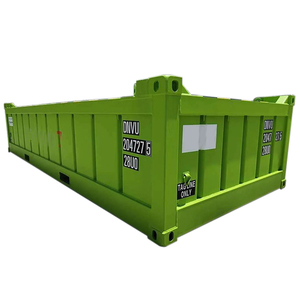
DNV 2.7-1 & EN12079 Offshore Structural Modularization
For offshore platform supply, conventional ISO frames are upgraded with DNV certified structural crashframes, dynamic drop-test compliance, and dedicated four-point lifting sling lugs designed to endure extreme North Sea and Arabian Gulf offshore marine dynamics.
Integrated Equipment Manufacturing & Global Execution
We bridge the gap between high-precision Chinese ISO tank container manufacturing and seamless international logistics execution across key global energy hubs.
Direct Factory-to-Fleet Supply Chain Engineering
Unlike traditional brokers who separate equipment sales from logistics, we provide an integrated solution. We manufacture custom ISO tanks built directly to your chemical specifications, handle container certification, and execute seamless sea, air, and land freight forwarding under one single point of accountability.
- ASME, UN Portable Tank, DNV 2.7-1, and CSC in-house factory inspections
- Company-owned land transport fleet across Saudi Arabia and the GCC
- Dedicated coverage at 7 strategic Saudi gateways (Dammam, Jubail, Yanbu, Riyadh, Jeddah, KAP, Al Batha)
In-House Customs Clearance & Zero Silent Demurrage
Cargo delays often occur during vendor handovers. Our licensed customs brokers manage FASAH, SABER conformity, and SFDA regulatory filings in-house. We continuously monitor container free-time windows to prevent demurrage charges before they accrue.
- 24/7 dedicated operational desk for active hazardous cargo movements
- Same-day quotation commitment for standard wholesale fleet enquiries
- All-risk marine & transit insurance coverage provided at declared cargo value
Frequently Asked Questions: Wholesale ISO Tank Procurement
Detailed technical answers for chemical logistics directors, fleet managers, and wholesale buyers regarding manufacturing standards, international transport, and custom specs.
UN T11 ISO tanks are designed for non-corrosive or moderately corrosive hazardous liquid chemicals (IMDG Class 3, 6.1, 8, 9) with bottom discharge outlets. They typically feature a 316L stainless steel shell with a working pressure of 4.0 bar. UN T14 ISO tanks are specifically engineered for highly aggressive acids and toxic media (such as Hydrochloric Acid or Nitric Acid); they mandate top-discharge only configurations (no bottom outlets to eliminate leak risk), higher working pressures, and internally lined shells using specialized Rubber, PTFE, or Fluoropolymer coatings.
All intermodal ISO tanks must comply with ISO 1496-3 for liquid containers. Key international certifications include ASME U-Stamp (Pressure Vessel Code), CSC (Container Safety Convention) plate for ocean shipping, UN Portable Tank approval, and classification society approval from Bureau Veritas (BV), Lloyd’s Register (LR), or ABS. For shipments entering Saudi Arabia and the GCC, SABER Certificate of Conformity and FASAH customs clearances are mandatory before dispatch.
For high-viscosity payloads (such as bitumen, heavy resins, or phenol) that solidify at room temperature, ISO tanks are manufactured with integrated steam heating coils (polyurethane/rockwool insulation jacketed by 50mm GRP or aluminum cladding). Additionally, specialized units can be outfitted with glycol heating jackets or electric trace heating systems to maintain precise payload temperatures (+15°C to +200°C) throughout ocean transit.
Per international IMDG regulations, ISO tank containers must undergo a 2.5-Year Intermediate Test (comprising an air tightness test, external visual inspection, and valve function testing) and a 5-Year Full Periodic Hydrostatic Test (a full hydrostatic pressure test to 1.5x working pressure, internal shell inspection, and complete safety relief valve recalibration) conducted by accredited class surveyors.
Yes. For offshore oil rig supply operations, standard ISO frames are replaced with DNV 2.7-1 / EN12079 certified offshore frames. These units feature reinforced corner castings, dedicated four-point lifting sling attachments, dynamic drop-test approval, and custom capacity volumes ranging from 8,000 to 20,000 liters suited for offshore supply vessel (OSV) deck mounting.
We eliminate supply chain handovers. We manufacture custom units in China to exact buyer specifications, manage factory-gate export documentation, organize ocean freight, handle destination port customs clearance via our licensed brokers, and execute final-mile delivery using our owned land transport fleet across key destinations like Saudi Arabia and the broader GCC.