
Specialized Pipeline Machinery, Marine Deck Equipment & Freight Solutions
Engineered for cross-border infrastructure, offshore platform support, heavy lift operations, and end-to-end global supply chain management.
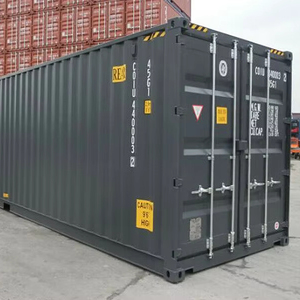
Sea Shipping Cargo Second Hand 20/40/45GP Reefer/Flat Rack/Open Top Side Open Containers for Trading
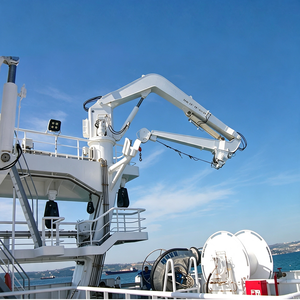
Offshore Knuckle Boom Marine Crane High Flexibility Hydraulic Ship Crane for Vessel Cargo Maintenance
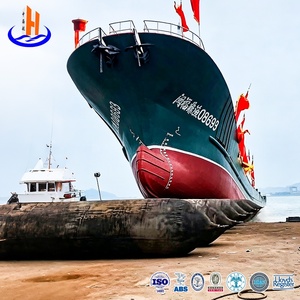
ZHH Heavy-Duty Rubber Oil Rig Barge Transfer Airbags Flotation Units Long Life Span for Offshore Platforms
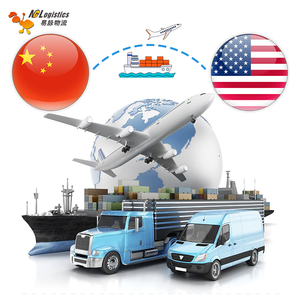
Dangerous Cargo Shipping Container Sea Freight Services From China to California/Texas Hazardous Goods
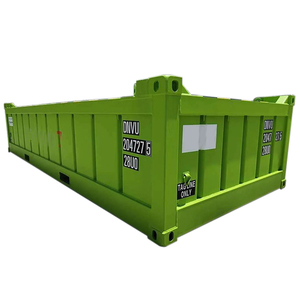
DNV Offshore Basket Portable Tank Van Container Sea Shipping Container for Transporting Equipment for Oil Rigs
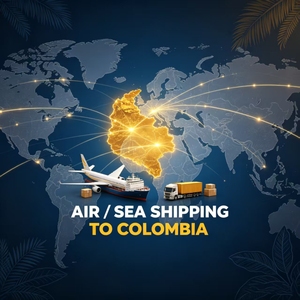
Heavy Machinery Sea Freight to Colombia Port | Rotary Industrial Equipment & Large Spare-Parts Solutions
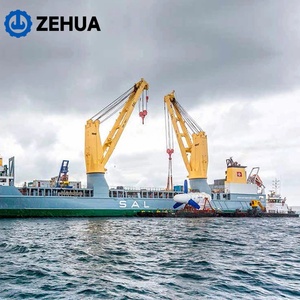
5t 10t 20t 30t 50t 70t Suitable for Deck Mounting on Cargo Ships, Tankers, Fishing Vessels & Platforms
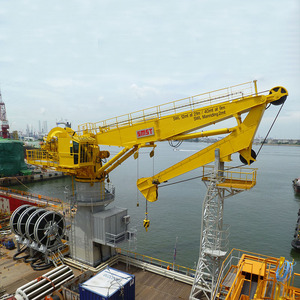
High Performance Marine Knuckle Crane for Offshore Cargo Transfer & Flexible Deck Handling Logistics
Mastering China Pipeline Construction & Heavy Offshore Equipment Supply Chains
Global oil and gas developments, municipal cross-country water transport systems, and petrochemical refinery expansions demand hyper-specialized logistics frameworks. Sourcing pipeline materials, heavy tubular products, structural steel assemblies, and marine deck handling equipment directly from Chinese manufacturers and exporters offers unparalleled economies of scale. However, executing seamlessly requires overcoming massive operational hurdles—ranging from out-of-gauge (OOG) breakbulk stowage to strict regulatory compliance, marine safety certifications, and destination customs clearance.
1. Multi-Modal Transport Engineering for Large-Diameter Tubular Goods & Heavy Machinery
Transporting API 5L line pipes, structural casings, and heavy rotary machinery from Chinese manufacturing hubs (such as Tianjin, Shandong, Jiangsu, and Shanghai ports) to global project sites demands dedicated stowage planning. Large-diameter pipes require specialized wooden dunnage, nesting arrangements, and certified synthetic webbing straps to prevent ovalization and coating damage (such as 3LPE/FBE external coatings). When shipping heavy rotary equipment, valves, and offshore cranes, breakbulk vessels or specialized flat-rack containers must be deployed with certified rigging gear and point-load distribution calculations.
2. Offshore Platform Integration & DNV Certified Cargo Storage Systems
Offshore pipeline tie-ins and subsea construction projects mandate cargo carrying units (CCUs) that conform strictly to DNV 2.7-1 / EN 12079 specifications. Portable tank containers, offshore basket containers, and marine deck cranes must endure dynamic wave motions, high-salinity spray, and harsh ambient conditions. Utilizing certified equipment manufactured in China—and managed through single-file logistics operations—ensures offshore supply vessels (OSVs) can safely transfer equipment to oil platforms without regulatory hold-ups or safety compromises.
Why Top EPC Contractors Partner With Our Integrated Supply Chain Network
Most international cargo failures do not occur during open-sea transit; they happen at procedural handovers between shipping lines, local customs brokers, inland hauliers, and site staging yards. By combining end-to-end freight forwarding, in-house customs clearance, specialized heavy-lift fleets, and strategic gateway management, our logistics model eliminates administrative friction and operational delays.
Single-Accountability Model
One dedicated project manager oversees your shipment from the Chinese factory floor to the final jobsite. No third-party handoffs, split liability, or untracked delays.
In-House Regulatory & Customs Brokerage
Licensed in-house customs specialists handle import/export declarations, SABER certificates of conformity, SFDA clearances, and FASAH portal filings without subcontracting risk.
Owned Heavy Transport & Trailer Fleet
Direct access to heavy-duty lowbeds, multi-axle hydraulic modular trailers, flatbeds, and side-loaders engineered to move out-of-gauge pipeline equipment safely across international borders.
Bonded & Open-Yard Warehousing
Strategic staging facilities located near key international shipping hubs and major industrial gateways (including Arabian Gulf and Red Sea corridors) for seamless buffer storage.
HAZMAT & Special Cargo Certification
Complete dangerous goods management (Class 1 through Class 9), including chemical drums, explosives for trenching, and pressurized gas containers governed by IMDG standards.
Proactive Demurrage Prevention
24/7 digital container tracking and automated free-time monitoring prevent costly port storage charges long before risk triggers financial liabilities.
Future Procurement & Sourcing Trends in Pipeline & Offshore Logistics (2025–2035)
As global energy transitions accelerate alongside ongoing fossil fuel modernization projects, procurement directors facing pipeline construction demands are shifting their strategic playbooks. Sourcing equipment and logistics management from Chinese wholesale manufacturers requires adapting to five major megatrends:
- 1. Smart Modularization & Pre-Fabricated Pipe Spools: Procurement is migrating away from field-welding loose pipe joints toward importing fully modularized, non-destructive tested (NDT) pipe spools and skid-mounted valve manifolds. This shifts transport requirements toward Out-of-Gauge (OOG) flat-rack and breakbulk chartering.
- 2. Eco-Friendly Marine Coatings & Corrosion Prevention: Advanced thermomechanical control process (TMCP) steel combined with bio-based or solvent-free 3LPP coatings require temperature-monitored or abrasion-protected sea transport to avoid microscopic micro-cracking during rough sea transit.
- 3. Transition to DNV 2.7-1 & ISO 10855 Offshore Standard Compliance: Global oil majors are enforcing zero-tolerance policies regarding uncertified marine deck baskets and containers. Procurement strategies now mandate that Chinese factories supply CCUs with pre-issued Lloyd's Register or DNV certificates.
- 4. AI-Driven Route Optimization & Green Fleet Logistics: Logistics managers are deploying predictive AI tracking to dynamic-route vessels around maritime chokepoints (such as the Suez Canal, Malacca Strait, and Panama Canal), lowering carbon intensity indicators (CII) and fuel surcharges.
- 5. Landed Duty-Paid (DDP) Transparency via Digital Clearance Portals: B2B buyers no longer accept opaque freight quotes. Future contracts demand itemized landed cost visibility—including pre-calculated customs duties, SABER certification fees, port handling fees, and last-mile lowbed delivery costs.
Technological Development Trends in Heavy Deck Handling & Marine Equipment
Chinese manufacturing leadership in heavy deck cranes, offshore transfer airbags, and containerized logistics units stems from continuous technological iteration. Below is an analytical review of equipment technological breakthroughs driving modern procurement decisions:
Electro-Hydraulic Knuckle Boom Cranes
Modern marine cranes incorporate variable-frequency drive (VFD) motors, active heave compensation (AHC) systems, and proportional electro-hydraulic control valves. This allows millimeter-precision placement of pipeline modules onto moving vessel decks during high sea-state conditions.
High-Pressure Marine Salvage & Launch Airbags
Next-generation rubber transfer airbags utilize multi-ply synthetic-tire-cord technology embedded in anti-aging natural rubber compounds. Offering operating burst pressures exceeding 0.25 MPa, these airbags enable the safe launching and slipway transfer of 10,000+ ton oil rig barges and pipe-laying vessels.
Specialized Intermodal & Hazardous Containers
Reefer, open-top, side-open, and portable ISO tanks have evolved with lightweight high-tensile Corten steel, integrated IoT remote temperature monitoring, and explosive-proof electrical fittings designed specifically for Class 3 flammable liquids and corrosive pipeline chemicals.
Pipeline & Offshore Logistics Procurement Master FAQ
Expert answers to critical operational, regulatory, and shipping inquiries faced by global procurement officers and EPC supply chain leads.