

Featured Reefer Containers & Heavy Marine Logistics Systems
Direct OEM intermodal reefer containers, DNV-certified offshore transport baskets, heavy marine cranes, and specialized hazardous cargo logistics units manufactured to international CSC and ISO standards.
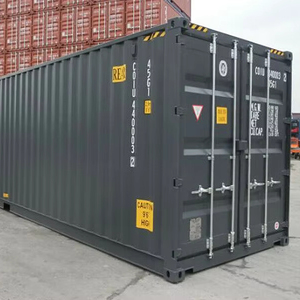
Sea Shipping Cargo Second Hand 20/40/45GP Reefer/flat Rack/open Top Side Open Containers for Trading on Sale
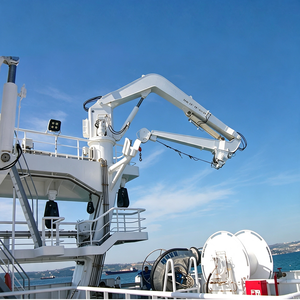
Offshore Knuckle Boom Marine Crane High Flexibility Hydraulic Ship Crane for Vessel Cargo Maintenance Operations
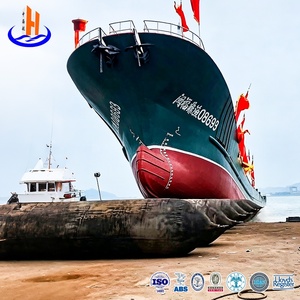
ZHH Heavy-Duty Rubber Oil Rig Barge Transfer Airbags Flotation Units Long Life Span for Boat Offshore Platform Logistics Made
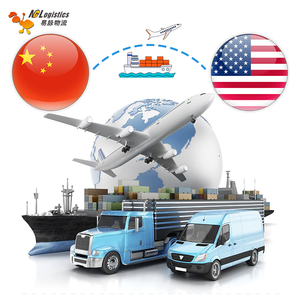
Dangerous Cargo Shipping Container Sea/Ocean Freight Services From China to California/Texas Hazardous Goods Shipping
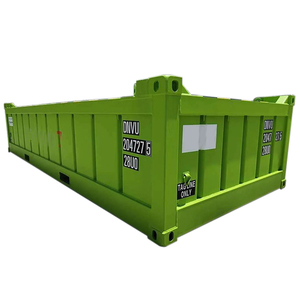
DNV Offshore Basket Portable tank Van Container Sea Shipping Container for Transporting Equipment for Oil Rigs

Heavy Machinery Sea Freight to Colombia Port | Rotary Industrial Equipment & Large Spare-Parts
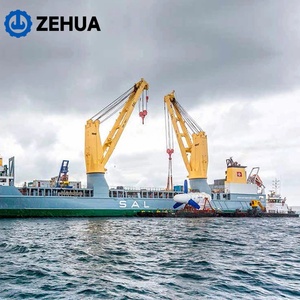
5t 10t 20t 30t 50t 70t Suitable for deck mounting on cargo ships tankers fishing vessels and offshore platforms
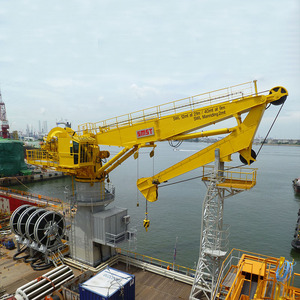
High Performance Marine Knuckle Crane for Offshore Cargo Transfer and Flexible Deck Handling
Technical Architecture of Modern Refrigerated Reefer Containers
As leading Chinese wholesale refrigerated container manufacturers, our intermodal reefer units are engineered to maintain thermal equilibrium across extreme ambient maritime temperatures (-40°C to +55°C). Incorporating advanced metallurgy, vacuum insulation panels (VIP), and high-efficiency compressors, these containers fulfill ISO 1496-2 and International Convention for Safe Containers (CSC) benchmarks.
Structural Framing & Metallurgy
Utilizing high-tensile Corten-A SPA-H structural steel for corner posts, top/bottom rails, and cross members. External cladding features MGSS (Muffler Grade Stainless Steel) or aluminum panels treated with anti-corrosive epoxy primers designed for high-salinity oceanic transport.
Thermal Insulation Matrix
High-density polyurethane foam injected at 70mm–100mm thickness using non-CFC cyclopentane blowing agents. Achieves an exceptional overall thermal transfer coefficient (K-value ≤ 0.38 W/m²K), preventing heat gain in high-solar radiant environments.
Refrigeration & Power Systems
Integration of premier OEM machinery: Carrier PrimeLINE, Thermo King Magnum Plus, Daikin Zestia, or Star Cool. Supports 3-phase dual voltage (380V/460V at 50/60Hz) with digital scroll compressors capable of maintaining -30°C to +30°C (±0.1°C precision).
Standard Intermodal Reefer Container Technical Matrix
| Technical Parameter | 20FT High Cube Reefer | 40FT High Cube Reefer | DNV 2.7-1 Offshore Reefer |
|---|---|---|---|
| External Dimensions (L x W x H) | 6,058 x 2,438 x 2,896 mm | 12,192 x 2,438 x 2,896 mm | 2,991 x 2,438 x 2,591 mm (10ft variant) |
| Internal Volume / Capacity | 28.3 m³ (1,000 cu.ft) | 67.5 m³ (2,385 cu.ft) | 12.8 m³ (452 cu.ft) |
| Tare Weight | 3,080 kg (6,790 lbs) | 4,480 kg (9,870 lbs) | 3,200 kg (7,050 lbs incl. frame) |
| Max Payload Capacity | 27,420 kg (60,450 lbs) | 29,520 kg (65,080 lbs) | 6,800 kg (14,990 lbs) |
| Temperature Control Range | -30°C to +30°C (-22°F to +86°F) | -30°C to +30°C / Deep Freeze -60°C | -25°C to +20°C (Zone 2 Certified) |
| Interior Linings & Flooring | 304 Stainless Steel / T-Bar Aluminum Floor | 304 Stainless Steel / Heavy T-Bar Floor | 316 Stainless Steel / Anti-slip Aluminum |
| Certifications & Approvals | ISO 668, CSC, TIR, ATP, ABS, BV, GL | ISO 668, CSC, TIR, ATP, LR, DNV-GL | DNV 2.7-1, EN 12079, ATEX Zone 2, CSC |
Future Procurement Trends in Cold-Chain Container Shipping
The global reefer shipping market is experiencing a paradigm shift driven by decarbonization mandates, IoT telematics integration, and strict regulatory standards. Buyers sourcing wholesale refrigerated containers from Chinese manufacturers must navigate key technological evolutions.
1. IoT Telematics & Autonomous Cargo Visibility
Modern cold-chain procurement requires integrated satellite/cellular telematics modules. Next-generation reefer containers feature real-time GPS tracking, remote setpoint modification, automated precooling logging, and predictive compressor failure analytics via cloud APIs, reducing cargo loss risks to near-zero levels.
2. Transition to Low-GWP Eco-Refrigerants
In compliance with the Kigali Amendment and EU F-Gas regulations, marine refrigeration units are phasing out R134a. Procurement strategies now prioritize units operating on R513A (GWP 573) and natural CO2 (R744, GWP 1) refrigerants, ensuring environmental compliance and protection against refrigerant phase-out penalties.
3. Solar Hybrid & Variable-Speed Genset Pairing
To mitigate fuel consumption during long overland truck transits, buyers are specifying clip-on or underslung diesel gensets equipped with solar auxiliary trickle-charging and micro-inverters. Variable-speed engine gensets lower fuel usage by up to 32% during low-load maintenance phases.
4. Ultra-Deep Freeze (-60°C) Super Freezers
High-value supply chains—including premium bluefin tuna, biological plasma, and active pharmaceutical ingredients (APIs)—have catalyzed demand for specialized cascade refrigeration system reefer units capable of maintaining stable ultra-low temperatures at -60°C for months.
Refrigerated Shipping Industry Development & Market Vectors
Understanding macro industrial developments enables fleet managers, freight forwarders, and logistics operators to make optimized capital expenditure (CapEx) decisions.
Shift from Specialized Reefer Vessels to Intermodal Containers
Traditional conventional reefer ships are rapidly being decommissioned in favor of high-cube 40ft reefer container slots on modern ultra-large container vessels (ULCVs). Containerized cold logistics offers unmatched flexibility, seamless rail/road intermodal connectivity, and granular door-to-door climate verification.
Offshore Energy & Rig Logistics Integration
The expansion of offshore gas and oil exploration requires specialized containerized infrastructure. Certified DNV 2.7-1 / EN 12079 reefer baskets, heavy knuckle boom cranes, and barge flotation units are critical for transferring food provisions and chemical catalysts to offshore rigs under severe sea state conditions.
Hazardous Chemical Cold-Chain Specialization
Chemical industries increasingly transport temperature-sensitive dangerous goods (such as organic peroxides, self-reactive substances, and hazardous solvents) requiring specialized EX-proof explosion-proof reefer containers built to IMDG Code Class 4.1 and 5.2 specs.
Why Partner with Our Manufacturing & Global Logistics Network
Combining direct Chinese container engineering excellence with comprehensive global shipping, customs clearance, and port logistics infrastructure. We bridge the gap between factory manufacturing and final destination delivery.
Direct Factory Customization & Quality Auditing
We engineer tailored container dimensions, floor load ratings, door configurations, and machinery brands directly from our Chinese manufacturing plants. Every unit undergoes strict hydrostatic pressure testing, thermal loss testing, and CSC plate certification prior to port release.
Single-Accountability Intermodal Logistics
Cargo delays typically happen during handover between manufacturers, brokers, ocean carriers, and hauliers. Leveraging our integrated freight network (spanning Saudi Arabia, the wider GCC, Americas, and Europe), we provide one file, one named coordinator, and seamless port-to-door control.
In-House Regulatory & Customs Clearance
Our specialized in-house customs broker teams manage FASAH, SABER conformity certificates, and SFDA regulatory releases directly. We ensure food grade, pharmaceutical, and dangerous goods paperwork is audited before containers arrive at discharge ports, avoiding costly demurrage.
Frequently Asked Questions (FAQ) for Refrigerated Container Buyers
Essential technical and logistical answers for procurement managers, vessel charters, cold-chain operators, and equipment leasing firms.
Q1 What are the structural differences between standard ISO reefers and DNV 2.7-1 offshore refrigerated containers?
Q2 Which refrigeration machinery (Carrier, Thermo King, Daikin, Star Cool) should I specify for my container order?
- Carrier PrimeLINE: Industry leader in energy efficiency, featuring digital scroll technology and rapid pull-down capability.
- Thermo King Magnum Plus: Renowned for extreme deep-freeze performance down to -35°C and robust performance in severe tropical ambient heat (+50°C).
- Star Cool (Maersk): Integrated unit structure reducing container weight, utilizing energy-optimized frequency converters.
- Daikin Zestia: Incorporates DC inverter compressors delivering precise temperature maintenance with low power consumption.
Q3 How do Controlled Atmosphere (CA) systems extend product shelf life during maritime transport?
Q4 What power generator (Genset) specifications are required for overland reefer trucking?
Q5 What structural and regulatory testing is required for new CSC certification plate issuance?
- Stacking Test: Applying 86,400 kg load per corner post (simulating 9-high container stacks).
- Transverse & Longitudinal Racking: Testing structural rigidity under rough sea motions.
- Air Leakage & Thermal Proofing (ATP): Verifying insulation integrity and K-value compliance.
- Floor Strength Test: 5,460 kg axle wheel load testing using a fork truck.
Q6 What are the advantages of purchasing re-certified second-hand reefers vs brand-new units?
Q7 How do you handle ocean shipping and customs clearance for custom container machinery orders?
Request Technical Specifications & Wholesale Pricing Today
Connect directly with our engineering and global logistics desk to receive custom factory quotations, CAD drawings, DNV/CSC certification details, and intermodal freight routing.