

Global Engineering & Heavy Logistics Whitepaper

OEM/ODM Industrial Plant Relocation Logistics Manufacturers & Factories

End-to-End Heavy Equipment Transport, Modular Factory Relocation, Cross-Border Customs Engineering, and Turnkey Project Logistics Solutions

Featured Equipment & Transport Assets

Specialized Equipment & Logistics Hardware for Industrial Plant Relocation

Engineered transport platforms, heavy marine cranes, certified DNV offshore containers, and hazardous material units designed for global plant relocation and heavy machinery transfer.

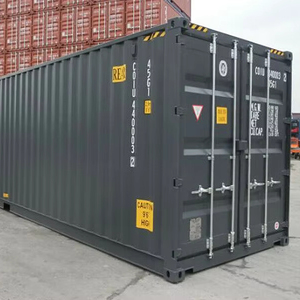
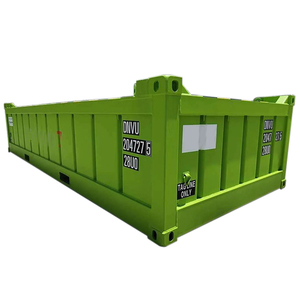
Sea Shipping Cargo Container Reefer Flat Rack Open Top

Multi-Specification Intermodal Containers (Reefer / Flat Rack / Open Top)

Second-hand and new 20/40/45GP heavy-duty containers for heavy plant machinery transfer and oversized project freight.

Contact Us
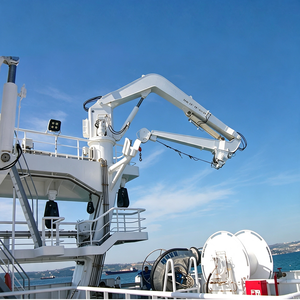
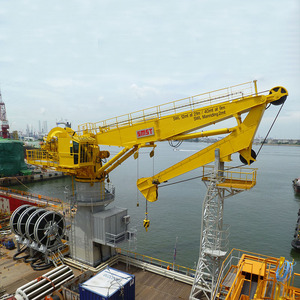
Offshore Knuckle Boom Marine Crane

Offshore Knuckle Boom Marine Crane & High-Flexibility Hydraulic Cranes

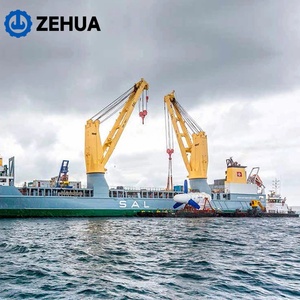
Heavy-lift marine cranes engineered for deck-mounting, vessel cargo operations, and factory assembly transfers.

Contact Us
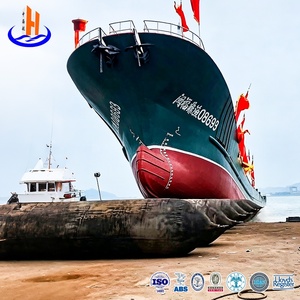
Heavy-Duty Rubber Oil Rig Airbags

Heavy-Duty Marine Flotation Airbags & Rig Barge Transfer Units

High-load pneumatic rubber airbags engineered for heavy industrial plant launching, barge transfers, and offshore rig logistics.

Contact Us
Dangerous Cargo Shipping Containers

Dangerous Goods & Hazardous Cargo Ocean Freight Shipping Units

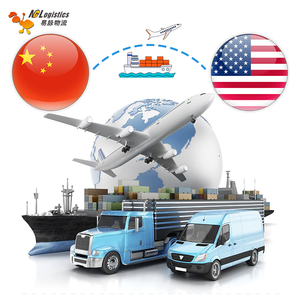
Certified hazmat containment systems and specialized ocean freight forwarding solutions from China to Global/USA ports.

Contact Us
DNV Offshore Basket Portable Tank Container

DNV 2.7-1 Certified Offshore Baskets & Portable Tank Van Containers

Rigid offshore cargo baskets and portable tank containers for oil rig equipment transportation and petrochemical plant spares.

Contact Us
Heavy Machinery Sea Freight Logistics

Heavy Machinery & Rotary Industrial Equipment Breakbulk Freight

Custom breakbulk sea freight operations for large rotary kilns, turbines, industrial boilers, and heavy spare parts relocations.

Contact Us
Heavy Deck Mounting Cargo Cranes

5t - 70t Hydraulic Deck Cranes for Tankers & Offshore Platforms

Heavy-capacity deck-mounted hydraulic cranes tailored for offshore platforms, barge loading, and heavy industrial plant installation.

Contact Us
High Performance Marine Knuckle Crane

High-Performance Marine Knuckle Crane for Flexible Deck Handling

Precision knuckle-boom marine crane solutions for tight deck layouts, project cargo transfer, and high-frequency heavy lifting operations.

Contact Us
7
Saudi & GCC Gateways
100%
In-House SABER/FASAH
500T+
Single-Unit Heavy Lift Capacity
24/7
Live Logistics Desk

Executive Technical Brief: OEM/ODM Industrial Plant Relocation Logistics Framework

Transferring an industrial plant—whether a petrochemical processing unit, a automotive assembly line, or a heavy machinery fabrication facility—is an intricate operational matrix. Unlike standard commercial container shipping, OEM/ODM Industrial Plant Relocation Logistics demands meticulous multi-disciplinary engineering. It integrates civil engineering, marine architecture, heavy-haulage transport engineering, regulatory customs clearance, and precision site installation.

In global industrial corridors—particularly across Saudi Arabia (KSA), the Arabian Gulf (GCC), Asia, and North America—manufacturers are increasingly re-configuring supply chains. Moving entire production ecosystems requires a transition from fragmented multi-vendor logistics models to a single accountable OEM/ODM project logistics partner.

Core Industry Insight: Over 68% of international factory relocation delays do not occur on ocean vessels, but at critical handovers—specifically during disassembly rigging, customs regulatory bottlenecks (e.g., SABER, SFDA, FASAH entries), and final mile heavy-axle road transit.

1. The Master Stages of Industrial Factory Dismantling & Relocation

A successful turnkey factory relocation follows a rigid, 5-phase engineering protocol to guarantee zero damage to high-value machinery and zero downtime on site delivery schedules:

  • Phase I: Engineering Route & Asset Surveying: Performing 3D laser scans of plant assets, evaluating weight distribution, center of gravity (CoG), bridge structural load limits, and port crane outreach capabilities.
  • Phase II: Mechanical & Electrical Decommissioning: Precision match-marking of electrical conduit, hydraulic pipeways, and structural steel beams to facilitate flawless re-assembly at the destination plant site.
  • Phase III: Specialized Heavy Export Packaging: Utilizing seaworthy wooden crating, vapor-corrosion-inhibitor (VCI) shrink wrapping, and heavy-duty DNV-certified offshore baskets or flat-rack container lashing for high-precision CNC units and rotary gearboxes.
  • Phase IV: Multi-Modal Heavy-Lift Transport: Deploying Self-Propelled Modular Transporters (SPMTs), hydraulic low-bed trailers, breakbulk ocean chartering, and deck-mounted marine cranes for heavy sea transfers.
  • Phase V: Customs Compliance & Site Foundation Setting: Managing single-window customs clearance (SABER, FASAH), port handling, and foundation jack-and-slide positioning.

2. Solving Structural Bottlenecks in Oversized & Out-of-Gauge (OOG) Logistics

Heavy industrial machinery—such as 70-ton hydraulic deck cranes, rotary kilns, oil rig transfer airbags, and chemical storage vessels—exceed standard container dimensions. Managing Out-of-Gauge (OOG) and Breakbulk cargo requires dedicated maritime engineering:

SPMT & Modular Axle Haulage
Configuring hydraulic multi-axle trailers for weight distribution up to 45 tons per axle line, ensuring safe transport across public highways and industrial zone bridges.
Marine Crane Deck Rigging
Deploying 5t to 70t knuckle-boom marine cranes for vessel-to-barge transfers where port mobile harbour cranes cannot reach.
Regulatory Compliance & SABER
Pre-filing Product & Shipment Certificates of Conformity (PCoC / SCoC) via SABER to avoid expensive port demurrage and customs delays.

When sourcing OEM/ODM Industrial Plant Relocation Logistics Manufacturers & Factories, procurement directors must ensure their logistics vendor holds direct control over transport assets. Subcontracting critical legs to unvetted third parties creates operational blind spots, unaccounted demurrage charges, and increased risk of equipment damage during transit.

Future Procurement Trends in Industrial Plant Relocation Logistics

As global manufacturing shifts toward modular plant design, sustainable supply chains, and localized manufacturing hubs (such as Saudi Vision 2030 and GCC industrial diversification), procurement strategies for factory relocation are undergoing structural shifts:

  1. Shift to Turnkey Single-Contract Accountability: Procurement teams are abandoning multi-vendor sourcing models (separate quotes for riggers, forwarders, brokers, and truckers) in favor of integrated single-file contracts that guarantee a fixed landed cost.
  2. Demand for Near-Real-Time Digital Twin Telemetry: Enterprise buyers now mandate GPS, tilt-impact sensing, and micro-climate tracking embedded directly within high-value machinery packaging during transit.
  3. Modular Off-Site Pre-Commissioning (SKD/CKD Logistics): Rather than shipping fully assembled mega-structures, plants are designed as Modular Skids. Logistics providers must offer specialized open-top, flat-rack, and DNV offshore container solutions tailored for rapid site drop-in.
  4. Environmental, Social, and Governance (ESG) Compliant Heavy Fleet Operations: Carbon reporting for heavy-lift sea freight and low-emission EURO-VI / electrified heavy transport platforms are becoming key selection criteria in corporate RFP tenders.

Macro Industry Development Trends: Technological Evolution in Heavy Logistics

The industrial relocation domain is evolving rapidly through technological convergence:

Autonomous SPMTs & AI Route Optimization
AI algorithms dynamically analyze overhead obstacles, turning radiuses, axle loading, and real-time traffic to calculate optimal heavy transport corridors.
High-Capacity Pneumatic Airbag Marine Transfers
Rubber oil rig barge transfer airbags enable floating roll-on/roll-off (Ro-Ro) plant loading without requiring deep-water port infrastructure.
Integrated Hazardous & Chemical Handling
Dedicated hazardous container networks ensure seamless transit of leftover plant chemicals, solvents, and fuel reserves under international IMDG regulations.

By leveraging these advancements, modern logistics operators can guarantee zero-damage relocation of sensitive high-tech equipment—including semiconductor fabrication lines, pharmaceutical cleanrooms, and heavy automotive stamping presses.

Corporate Advantage: Why Partner With Us for Factory Relocation Logistics

Our organization provides turnkey OEM/ODM industrial plant relocation logistics, offering complete coverage across 7 major gateways in Saudi Arabia and the broader GCC region:

  • Seven Strategic Regional Gateways: Full operational setups across Dammam, Jubail, Riyadh, Jeddah, King Abdullah Port, Yanbu, and the Al Batha UAE land border crossing.
  • Licensed In-House Customs Brokers: Direct FASAH, SABER, and SFDA clearance without third-party outsourcing, eliminating unnecessary clearance fees and paperwork errors.
  • Owned Heavy Haulage Fleet: Modern hydraulic low-beds, flatbeds, multi-axle trailers, and heavy cranes maintained to stringent international safety standards.
  • Proactive Milestone Visibility: Dedicated named shipment coordinators assigned to your project, backed by a 24/7 active operations control desk.
  • All-Risk Marine & Cargo Cover: Full declared-value marine insurance and goods-in-transit liability management.

Frequently Asked Questions (FAQ): Industrial Procurement & Plant Relocation

What services are included in OEM/ODM industrial plant relocation logistics?

A turnkey plant relocation covers engineering site surveys, machinery mechanical/electrical match-marking, dismantling, specialized seaworthy packaging, heavy-lift sea/air/road freight, in-house customs clearance, SPMT site delivery, and foundation placement.

How far in advance should a factory relocation project be planned?

Complex cross-border plant relocations should ideally be planned 3 to 6 months in advance. This lead time allows for detailed route surveys, heavy-lift transport permits, vessel chartering, and pre-filing of regulatory customs approvals (such as SABER product certificates).

How do you handle customs clearance for used industrial machinery?

Used machinery requires specialized customs clearance documentation, including physical inspection certificates, valuation reports, and SABER compliance verification. Our in-house licensed customs team handles entry filing directly through FASAH to ensure swift release without port storage penalties.

What equipment is required to transport out-of-gauge (OOG) plant assets?

Depending on the weight and dimensions, we deploy Self-Propelled Modular Transporters (SPMTs), hydraulic low-bed trailers, open-top and flat-rack containers, and deck-mounted marine knuckle-boom cranes (5t to 70t capacity) for heavy-lift breakbulk shipping.

Can you manage hazardous cargo and leftover industrial chemicals?

Yes. We provide certified dangerous goods (DG) container shipping under IMDG rules, managing hazardous materials transport from origin packing through specialized sea freight to destination site delivery.

How quickly can I receive a quotation for a plant relocation project?

Standard equipment movements are quoted within the same working day. Comprehensive turnkey plant relocations requiring route surveys and heavy-lift engineering plans are quoted following an initial technical assessment.

Planning an Industrial Plant Relocation or Heavy Freight Move?

Speak directly with our project cargo engineering desk. We provide comprehensive route surveys, landed cost calculations, and single-point accountability for your factory relocation.