
SASO-Compliant Industrial Equipment & Offshore Logistics Portfolios
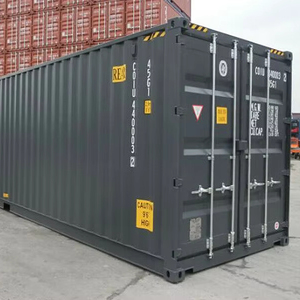
Sea Shipping Cargo Second Hand 20/40/45GP Reefer/flat Rack/open Top Side Open Containers for Trading on Sale
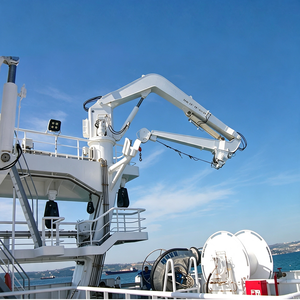
Offshore Knuckle Boom Marine Crane High Flexibility Hydraulic Ship Crane for Vessel Cargo Maintenance Operations
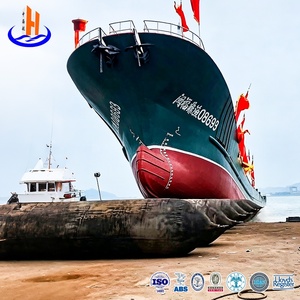
ZHH Heavy-Duty Rubber Oil Rig Barge Transfer Airbags Flotation Units Long Life Span for Boat Offshore Platform Logistics Made
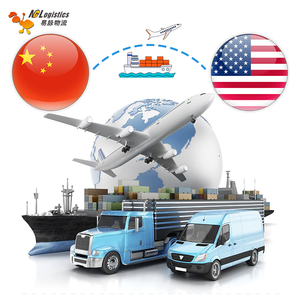
Dangerous Cargo Shipping Container Sea/Ocean Freight Services From China to California/Texas Hazardous Goods Shipping
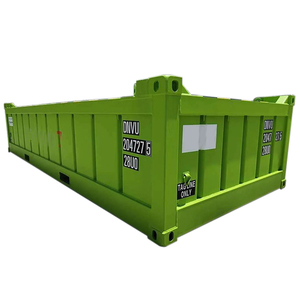
DNV Offshore Basket Portable tank Van Container Sea Shipping Container for Transporting Equipment for Oil Rigs
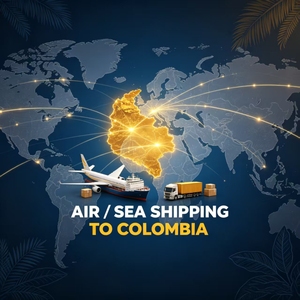
Heavy Machinery Sea Freight to Colombia Port | Rotary Industrial Equipment & Large Spare-Parts
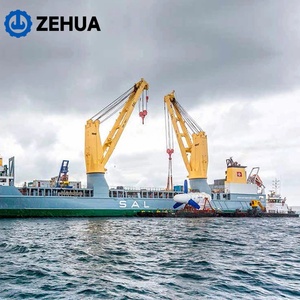
5t 10t 20t 30t 50t 70t Suitable for deck mounting on cargo ships tankers fishing vessels and offshore platforms
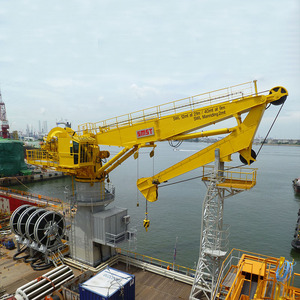
High Performance Marine Knuckle Crane for Offshore Cargo Transfer and Flexible Deck Handling
1. Technical Framework & Strategic Blueprint for SASO Conformity Certification Services
Navigating the regulatory matrix of Saudi Arabia requires an authoritative understanding of the Saudi Standards, Metrology and Quality Organization (SASO) framework. For international original equipment manufacturers (OEM) and original design manufacturers (ODM) exporting industrial machinery, offshore platforms, hazardous chemical storage units, and heavy logistics hardware, compliance is not merely a documentation step—it is a mandatory market-entry gateway.
Through the implementation of the Saudi Product Safety Program (SALEEM) and the operationalization of the SABER electronic platform, SASO has transitioned from legacy paper-based inspections to a digitally enforced, risk-stratified compliance paradigm. Global suppliers must obtain two critical certificates prior to vessel loading and customs entry at major Kingdom gateways such as Dammam (King Abdulaziz Port), Jeddah Islamic Port, and Jubail Commercial Port:
Product Certificate of Conformity (PCoC)
Issued per product model/type via an accredited SASO Notified Body. Valid for one year, the PCoC verifies that the underlying OEM/ODM engineering, structural schematics, and materials comply with relevant Saudi Technical Regulations (TR) and GSO standards.
Shipment Certificate of Conformity (SCoC)
Issued specifically for each individual consignment. The SCoC validates that the actual physical cargo matching the commercial invoice aligns perfectly with the active PCoC, authorizing immediate customs clearance through KSA FASAH systems.
Type Approval & Risk Stratification
Regulated products (e.g., marine knuckle boom cranes, DNV 2.7-1 offshore containers, pressure vessels) undergo rigorous Type Type 1a, 3, or 5 certification involving factory audits, ISO 17025 laboratory testing, and technical file reviews.
Information Gain Insight: The Cost of Non-Compliance
Failure to align OEM/ODM custom manufacturing with SASO technical regulations leads to automatic cargo quarantine at Saudi ports, demurrage penalties accumulating up to $300-$800/TEU daily, or forced re-export at the manufacturer's expense. Our integrated services bridge factory production line quality control directly with Saudi Arabia's FASAH customs clearance network.
2. Global Procurement Trends for SASO-Certified Industrial & Offshore Equipment (2025–2030 Horizon)
As Saudi Arabia accelerates its landmark Vision 2030 initiatives—anchored by mega-projects such as NEOM, the Red Sea Global development, Aramco offshore expansion, and the King Salman Complex for Maritime Industries—the procurement landscape for heavy capital equipment is undergoing a radical transformation. International buyers, EPC contractors, and OEM exporters must align with four structural procurement trends:
A. Local Content Integration (IKTVA & Local Manufacturing)
Procurement directors are prioritizing global OEM suppliers capable of supporting localized certification pathways. Equipment certified under SASO standards that incorporates modular designs ready for assembly in Saudi free zones or industrial hubs (such as Jubail Industrial City) gains significant scoring advantages in Aramco and government tenders.
B. Mandatory Dual-Standard Harmonization (DNV / API / SASO)
For offshore equipment—such as marine knuckle cranes, offshore transfer baskets, and rubber flotation airbags—procurement specifications now mandate strict dual-compliance. Hardware must hold international marine certification (e.g., DNV 2.7-1, EN 12079, API 2C, IMDG Code) while simultaneously carrying registered SASO PCoC documentation on the SABER platform.
C. Smart Compliance & Digital Product Passports
The future of Saudi logistics procurement relies on end-to-end digital traceability. Advanced OEM exporters are embedding QR codes, RFID tags, and digital certificate hashes directly onto physical equipment nameplates. Customs inspectors at Saudi customs checkpoints can instantly scan hardware to verify SABER registration, manufacturing batches, and structural load test records.
D. Sustainable & Cold-Chain Specialized Assets
With the expansion of pharmaceuticals, perishable food distribution, and green energy infrastructure in the Middle East, demand for high-efficiency 20/40/45GP Reefer containers, ISO tank containers, and eco-friendly hydraulic marine winches is growing at a CAGR of 8.4% across the GCC region.
3. Industry & Technology Development Trends in Specialized Heavy Equipment
The technological evolution of heavy maritime equipment, offshore rig transfer units, and hazardous cargo containers is tightly linked to international safety mandates and environmental efficiency standards. Global OEM/ODM manufacturers who proactively integrate engineering innovations into their SASO-certified offerings secure a dominant market position.
Advanced Hydraulic Flexibility in Marine Cranes
Modern offshore knuckle boom cranes feature electro-hydraulic proportional control systems, active heave compensation (AHC), and continuous 360-degree slewing capability. Built to withstand aggressive marine salinity, these systems meet API 2C and SASO mechanical safety codes for platform deck operation.
DNV 2.7-1 Structural Integrity for Offshore Baskets
Offshore baskets and portable tank containers engineered for harsh offshore rig environments incorporate high-tensile structural steel, certified pad eyes, and slings tested to -20°C. SASO-compliant testing validates frame impact tolerance, payload capacity, and stackability under offshore swell conditions.
Polymer Material Longevity in Flotation Units
Heavy-duty rubber oil rig transfer airbags utilize multi-layer synthetic-tire-cord technology vulcanized under high pressure. Designed for barge transfer and ship launch operations, their anti-aging, UV-resistant rubber compounds satisfy both ISO 14409 standards and Saudi environmental durability criteria.
4. Corporate Excellence: Nuraak Gulf Company’s Integrated SASO & Supply Chain Advantage
As a leading Saudi Arabia logistics authority and certified customs broker headquartered in Dammam (King Faisal Street, Building 2853), Nuraak Gulf Company delivers end-to-end operational execution for international exporters and regional importers. We solve the primary vulnerability in cross-border commerce: the operational friction between international freight forwarders, regulatory compliance bodies, and local inland transport operators.
In-House SABER & Customs Brokerage
Unlike traditional forwarders who subcontract regulatory clearance to third-party agents, Nuraak Gulf operates an in-house team of licensed Saudi customs brokers. We directly manage SABER account setups, HS code classification, technical document validation, PCoC/SCoC filings, and FASAH portal clearances across all major gateways.
Seven Strategic Gateways Across Two Coastlines
We provide complete operational coverage across both Saudi coastlines, ensuring your SASO-certified equipment is landed, cleared, and dispatched via the optimal geographic port:
- Eastern Gateway: Dammam (King Abdulaziz Port) & Jubail Commercial/Industrial Ports.
- Western Gateway: Jeddah Islamic Port, King Abdullah Port (KAEC), & Yanbu Industrial Port.
- Inland & Cross-Border Hubs: Riyadh Dry Port & Al Batha Land Border (UAE/GCC Highway).
Company-Owned Heavy Fleet & Specialized Asset Handling
From standard 20/40/45GP containers to specialized DNV offshore baskets, heavy-lift knuckle cranes, and out-of-gauge (OOG) machinery, Nuraak Gulf deploys its own fleet of lowbeds, multi-axle hydraulic trailers, flatbeds, and temperature-controlled transport units. Every movement is monitored 24/7 by our central operations desk.
Zero Demurrage Operational Guarantee
By synchronizing pre-arrival SABER SCoC issuance with instant FASAH custom clearance and pre-booked fleet positioning, we eliminate free-time expiration risks and prevent costly storage fees at Saudi ports.
5. Frequently Asked Questions (FAQ) for OEM/ODM SASO Compliance & Procurement
Find detailed, authoritative answers regarding Saudi Arabian compliance, SABER registration, product testing, customs entry protocols, and equipment logistics.