

Specialized Heavy Logistics & Offshore Equipment Showcase
Engineered for extreme GCC environmental conditions, heavy-lift logistics, and cross-border transport requirements across Saudi Arabia, UAE, and the wider GCC region.
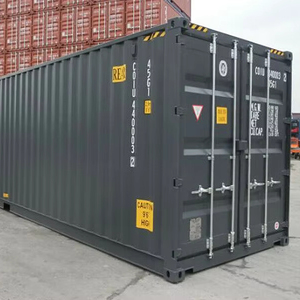
Sea Shipping Cargo Containers 20/40/45GP Reefer, Flat Rack & Open Top Side Open Units
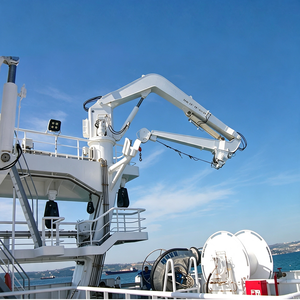
Offshore Knuckle Boom Marine Crane High Flexibility Hydraulic Ship Crane for Vessel Cargo
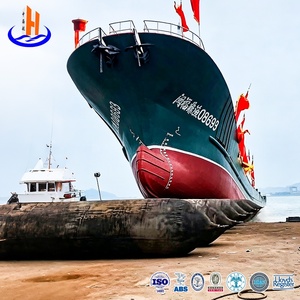
ZHH Heavy-Duty Rubber Oil Rig Barge Transfer Airbags Flotation Units for Offshore Platforms
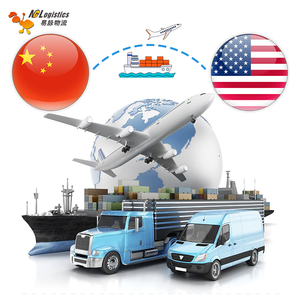
Dangerous Cargo Shipping Container Freight Services for Hazardous Chemical & Industrial Goods
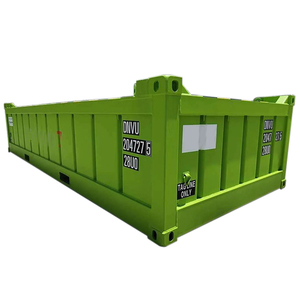
DNV 2.7-1 Offshore Basket & Portable Tank Van Container for Rig Equipment Logistics

Heavy Machinery & Rotary Industrial Equipment Breakbulk Cargo Logistics & Spare-Parts Transport
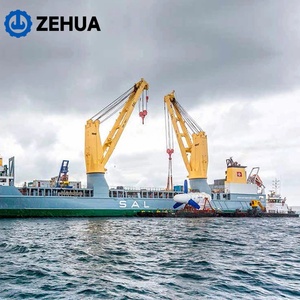
5t - 70t Marine Deck Mounting Crane & Winch Systems for Tankers & Offshore Platforms
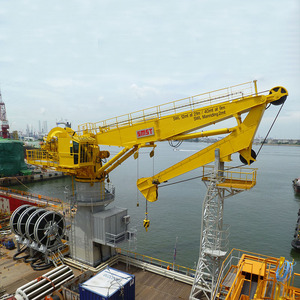
High Performance Marine Knuckle Crane for Offshore Cargo Transfer & Deck Handling
The UAE-Saudi Arabia Cross-Border Trucking Ecosystem: Technical & Operational Architecture
The cross-border logistics arterial network connecting the United Arab Emirates (UAE) and the Kingdom of Saudi Arabia (KSA) forms the economic backbone of the Gulf Cooperation Council (GCC). Driven by Saudi Vision 2030, UAE Operation 300bn, and massive infrastructure mega-projects including NEOM, the Red Sea Project, Qiddiya, and industrial expansions in Jubail and Yanbu, the demand for custom-engineered heavy fleet manufacturing (OEM/ODM) and seamlessly integrated land transport services has reached an unprecedented scale.
Cross-border land transport between the UAE (via the Ghuwaifat border) and Saudi Arabia (via the Al Batha border point) requires strict adherence to regulatory frameworks, high-temperature thermal operational tolerance, payload-to-axle weight compliance, and complex digital customs clearing systems (SABER, FASAH, and GCC Customs Union protocols). Purchasing equipment or contracting fleet capacity without expert OEM customization for GCC environmental conditions leads to rapid mechanical fatigue, customs delays, structural axle overloads, and inflated total cost of ownership (TCO).
Key Physical & Technical Demands on GCC Highway Vehicles
Vehicles operating along the 1,400+ kilometer highway corridors connecting Jebel Ali / Khalifa Port to Riyadh Dry Port or Dammam Port face extreme physical stress factors. Manufacturers and transport suppliers must address:
- Thermal Dissipation & Ambient Endurance: Radiator cooling modules, brake lining compounds, and tire rubber formulations engineered to withstand highway surface temperatures exceeding 70°C during peak summer months.
- Axle Weight Compliance & Bridge Formula Specs: Strict enforcement of SASO (Saudi Standards, Metrology and Quality Organization) and GCC standardized axle weight limitations. OEM trailers must integrate pneumatic or heavy-duty mechanical leaf spring suspensions that distribute gross vehicle weight (GVW) efficiently across triple-axle and multi-axle configurations.
- Structural Chassis Integrity for Heavy Duty & Off-Road Interfacing: High-tensile steel (such as Q345B or Domex 700) main beams designed to carry concentrated industrial loads, oilfield rig equipment, and heavy structural steel without structural sagging or frame twisting.
Why Leading Industrial Enterprises Partner with Nuraak Gulf
Combining OEM/ODM manufacturing capability with accountable, in-house end-to-end logistics across Saudi Arabia and the GCC.
Owned Fleet & Manufacturing
We operate our own maintained fleet of lowbed, flatbed, reefer, and multi-axle hydraulic trailers, engineered to exact OEM standards for maximum reliability across Kingdom-wide and GCC routes.
In-House Customs Clearance
Licensed customs brokers embedded at key border points (Al Batha, King Fahd Causeway) and ports (Dammam, Jubail, Jeddah, KAP, Yanbu). Direct integration with FASAH, SABER, and SFDA.
7 Strategic Saudi Gateways
Headquartered in Dammam, Eastern Province, our control desk coordinates sea, air, and land freight across two coastlines, ensuring optimal port selection and zero silent demurrage.
OEM & ODM Technical Manufacturing Standards for GCC Heavy Haulage
Procuring transport assets or contract logistics equipment for cross-border UAE-KSA operation requires strict adherence to OEM/ODM engineering parameters. Custom trailer manufacturing must balance structural strength with tare weight optimization to maximize legal payload efficiency within GCC regulations.
1. Multi-Axle Lowbed & Hydraulic Modular Trailers
For out-of-gauge (OOG) machinery, rotary industrial components, and heavy construction plant, OEM lowbed design incorporates extendable telescopic frames, hydraulic steering systems, and detachable goosenecks. Main chassis beams are submerged-arc welded to withstand point-load concentrations exceeding 100 metric tons.
2. Temperature-Controlled Reefer & Cold Chain Trailers
Moving food products, pharmaceuticals, and temperature-sensitive chemicals across the Rub' al Khali highway corridor demands reinforced polyurethane insulation panels (K-value < 0.35 W/m²K) paired with dual-temperature transport refrigeration units (TRUs) capable of maintaining steady internal temperatures between -25°C and +25°C despite external heat surges.
3. Offshore & Hazardous Goods Containers (DNV 2.7-1 & IMO Specs)
In the oil and gas sector, logistics assets transferring between land transportation and offshore rigs in the Arabian Gulf or Red Sea must hold DNV 2.7-1 / EN 12079 certification. These steel baskets, portable tanks, and hazardous goods containers undergo stringent impact and non-destructive testing (NDT) to prevent marine pollution and chemical spills.
| Trailer / Equipment Type | Primary Target Freight | OEM Chassis Material | GCC Standard Axle Configuration | Regulatory & Customs Standard |
|---|---|---|---|---|
| Heavy Duty Flatbed (40ft/45ft) | Containerized Cargo, Steel Coils, Timber, General Freight | High Tensile Q345B Steel | Tri-Axle BPW / FUWA (13-16 Ton) | SASO / GCC Weight Limit Compliant |
| Heavy Duty Extendable Lowbed | OOG Machinery, Excavators, Turbines, Rig Components | Domex 700 / Weldox Extra High Strength | 3 to 8 Axle Hydraulic Steering Lines | KSA MOT Special Transport Permit |
| Insulated Reefer Semi-Trailer | Chilled Food, Frozen Meats, Pharma, Sensitive Resin | Fiberglass Reinforced Polyurethane Panels | Tri-Axle Air Suspension with ABS/EBS | SFDA Cold Chain / ATP Certified |
| DNV 2.7-1 Offshore Basket/Tank | Offshore Rig Tools, Drilling Consumables, Chemicals | Structural Corten Steel (Anti-Corrosion) | Corner Castings & Pad Eyes for Crane Lifting | DNV 2.7-1 / BS EN 12079 / IMO Type 1 |
| Side-Open & Open-Top Containers | Overheight Machinery, Rapid Loading Industrial Spares | Corrugated Steel with Heavy Duty Tarpaulin | Chassis Mounting Twist Locks | ISO 6346 / CSC Safety Approval |
Future Procurement & Technological Trends in GCC Cross-Border Logistics
The cross-border transport sector between the UAE and Saudi Arabia is undergoing rapid technological modernization. Supply chain directors, procurement officers, and fleet managers must align their procurement strategies with four key emerging industry trends:
1. Pre-Border Digital Clearing & Telematics Integration
Manual customs manifests are being entirely replaced by integrated API workflows between Saudi Arabia’s FASAH platform and UAE customs systems. Real-time GPS tracking combined with electronic seals (e-seals) allows customs agencies to perform pre-arrival risk assessments, reducing Al Batha border dwell times from days to a matter of hours.
2. Telemetry-Driven Cold Chain & Asset Health Monitoring
Modern reefer trailers and offshore tanks now incorporate remote IoT sensor arrays transmitting real-time data on internal temperature, humidity, door openings, tire pressure, and chassis vibration. Procurement specifications increasingly require real-time dashboard visibility for cargo owners.
3. Eco-Efficient & Alternative Fuel Heavy Fleet Assets
Aligned with Saudi Arabia's Saudi Green Initiative and the UAE's Net Zero 2050 targets, OEM fleet manufacturers are developing lightweight aerodynamic trailer bodies and evaluating CNG/LNG and hydrogen fuel cell heavy tractors for long-haul desert transit.
4. Modular Chassis & Cross-Dock Fleet Standardization
To mitigate border delays during peak seasonal spikes, logistics providers are adopting standardized quick-swap container chassis and modular drop-and-hook transport models, allowing tractors to exchange trailers at border staging hubs without holding up driver hours.
Strategic Industry Development Trends: Navigating the GCC Economic Corridor
The GCC transport sector is moving from fragmented regional carriage toward a unified, highly regulated economic zone. Understanding these macro trends is vital for long-term procurement planning:
Unified Customs Harmonization & Single-Window Clearance
The ongoing refinement of the GCC Customs Union aims to eliminate double taxation and redundant physical inspections at internal borders. Products manufactured in UAE industrial zones with minimum local value-add (National Origin) qualify for preferential customs treatment entering Saudi Arabia, provided SABER certification and GCC origin documentation are properly declared.
Nearshoring & KSA Regional Headquarter (RHQ) Mandates
With multinational corporations establishing regional headquarters in Riyadh, manufacturing and supply chain hubs are decentralizing. OEM suppliers must offer localized after-sales support, spare parts distribution within KSA, and rapid maintenance turnaround across both the Western Province (Jeddah/Yanbu) and Eastern Province (Dammam/Jubail).
Frequently Asked Questions (FAQ) — Procurement & Cross-Border Logistics
Below are authoritative answers to common operational, regulatory, and procurement questions regarding UAE to Saudi Arabia cross-border transport and equipment sourcing.
Under normal operational conditions with pre-cleared SABER and FASAH documentation, standard door-to-door transit time ranges between 2 to 4 days. Express direct shipments with dedicated teams can achieve delivery in under 48 hours, while specialized out-of-gauge heavy loads requiring highway permits may take 5 to 7 days depending on route surveys.
SABER is the Saudi electronic conformity platform mandated by SASO. Most regulated industrial equipment, vehicle parts, and manufactured trailers imported into KSA require a Product Certificate of Conformity (PCoC) and a Shipment Certificate of Conformity (SCoC). Failure to secure SABER clearance prior to dispatch results in immediate detention at the border.
Saudi Arabia strictly enforces gross vehicle weight (GVW) and individual axle weight limits. Standard maximum GVW for a typical 5 or 6-axle tractor-trailer combination is generally 45 metric tons. Loads exceeding these parameters require special heavy-transport permits from the Ministry of Transport (MOT) and multi-axle hydraulic trailer configurations to distribute the weight.
Yes. We offer complete OEM and ODM trailer engineering services tailored to your exact industry applications — including reinforced chassis for mining and oilfield transport, specialized lowbed heights, custom container twist-lock locations, and integrated hydraulic deck cranes.
Hazardous cargo requires certified ADR drivers, safety-labeled ISO tanks or dangerous goods containers, MSDS documentation in Arabic and English, and prior clearance from Civil Defense and relevant environmental authorities. Nuraak Gulf manages the entire compliance chain from origin loading to destination site delivery.
Optimize Your GCC Cross-Border Fleet & Logistics Strategy
Whether you require custom-manufactured heavy trailers (OEM/ODM), specialized marine cranes, or an accountable logistics partner to manage your cross-border UAE-Saudi Arabia transport with zero customs delays — our expert operations team is ready to deliver.