

Featured Chemical Transport & Industrial Equipment Catalog
High-specification intermodal ISO tanks, hazardous liquid containers, marine transfer systems, and heavy-lift machinery designed for international chemical logistics and offshore oilfield deployment.
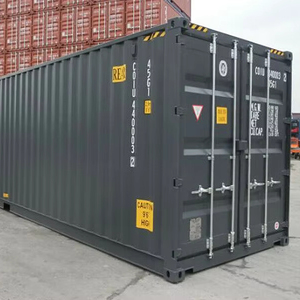
Sea Shipping Cargo Second Hand 20/40/45GP Reefer/flat Rack/open Top Side Open Containers for Trading on Sale
Contact Us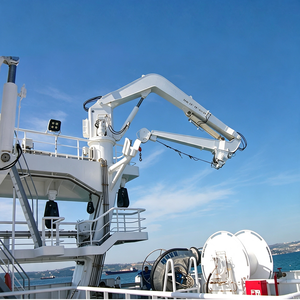
Offshore Knuckle Boom Marine Crane High Flexibility Hydraulic Ship Crane for Vessel Cargo Maintenance Operations
Contact Us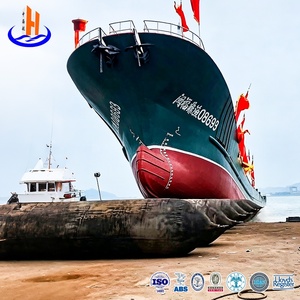
ZHH Heavy-Duty Rubber Oil Rig Barge Transfer Airbags Flotation Units Long Life Span for Boat Offshore Platform Logistics Made
Contact Us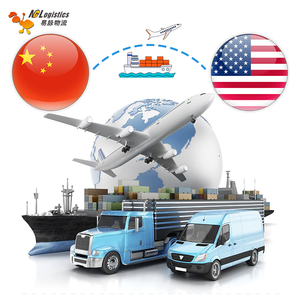
Dangerous Cargo Shipping Container Sea/Ocean Freight Services From China to California/Texas Hazardous Goods Shipping
Contact Us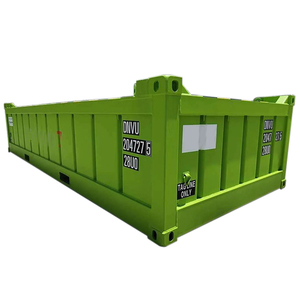
DNV Offshore Basket Portable tank Van Container Sea Shipping Container for Transporting Equipment for Oil Rigs
Contact Us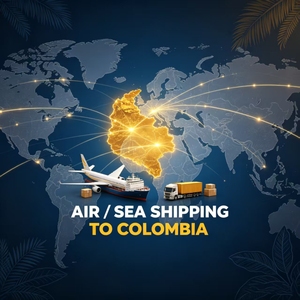
Heavy Machinery Sea Freight to Colombia Port | Rotary Industrial Equipment & Large Spare-Parts
Contact Us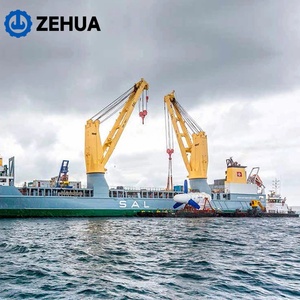
5t 10t 20t 30t 50t 70t Suitable for deck mounting on cargo ships tankers fishing vessels and offshore platforms
Contact Us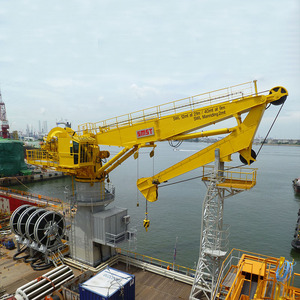
High Performance Marine Knuckle Crane for Offshore Cargo Transfer and Flexible Deck Handling
Contact Us1. Executive Summary & Technical Evolution of ISO Tank Logistics
In the contemporary global chemical processing and energy ecosystem, intermodal ISO tank containers have emerged as the absolute gold standard for transporting bulk liquid chemicals, food-grade commodities, and liquefied gases. Engineered within a standardized 20-foot ISO frame, these pressure vessels comply strictly with international regulatory frameworks including ISO 668, UN Portable Tank codes (T1 through T75), ASME Section VIII Division 1, and ADR/RID carriage regulations.
Compared to conventional steel drums or intermediate bulk containers (IBCs), ISO tanks yield an extraordinary 40% reduction in ocean freight payload costs, eliminate container disposal hazards, and dramatically mitigate cargo loss due to vapor venting or wall adhesion. The global liquid chemical logistics matrix requires strict compliance with maritime security codes, thermal preservation, and chemical compatibility. As petrochemical trade corridors expand across North America, Europe, Asia-Pacific, and the GCC region (particularly Jubail, Yanbu, and Dammam in Saudi Arabia), selecting the correct ISO tank container manufacturer and fleet logistics partner directly dictates operational safety, asset turnover, and regulatory uptime.
Understanding UN Portable Tank Classifications (T11 to T50)
Determining the accurate technical spec is critical when procuring ISO tanks for corrosive, toxic, flammable, or high-purity industrial liquids:
- UN T11 ISO Tank: Bottom discharge design, test pressure of 6.0 bar. Suitable for non-hazardous and low-hazard flammable or toxic liquids (e.g., solvents, linear alkylbenzene, lubricants).
- UN T14 ISO Tank: Top discharge design with no openings below the liquid level, test pressure of 6.0 bar. Engineered specifically for high-hazard, toxic, and highly corrosive Class 8 acids (e.g., Hydrochloric Acid, Nitric Acid, Sulfuric Acid).
- UN T20 / T22 ISO Tank: Designed for highly volatile or toxic chemicals requiring top loading/unloading under nitrogen blanketing pressure up to 10 bar.
- UN T50 ISO Tank: Heavy-gauge carbon steel pressure vessels engineered for liquefied compressed gases under pressure (e.g., Anhydrous Ammonia, LPG, Refrigerants).
- UN T75 Cryogenic ISO Tank: Vacuum-insulated double-walled stainless steel containers built for extreme cryogenic liquids such as Liquid Natural Gas (LNG), Liquid Nitrogen (LIN), and Green Hydrogen.
2. Analysis of the Top 10 Global ISO Tank Manufacturers & Factories
An authoritative evaluation of global manufacturing entities delivering certified ISO tank containers based on production volume, metallurgical integrity, ASME U-stamp certification, and innovation in smart telemetry.
CIMC Enric
The world's largest producer of ISO tank containers, commanding over 50% global market share across chemical, gas, and food-grade UN tanks.
Global LeaderWelfit Oddy
South Africa’s premier manufacturer specializing in high-precision stainless steel T11 & T14 tanks with advanced lightweight frame geometry.
Precision EngineeringUBHI (UBH International)
UK-based pioneer renowned for custom-built small capacity ISO tanks, specialized offshore DNV 2.7-1 chemical acid tanks, and lining tech.
Specialized & DNVSingamas Container
Major Asian manufacturing conglomerate producing heavy-duty T11/T14 chemical tanks alongside customized offshore rig supply baskets.
High VolumeSuretank Group
Global authority in offshore chemical helifuels and acid tanks, certified strictly to DNV 2.7-1 / EN 12079 for marine platform transfer.
Offshore SpecialistNantong Tank Container
Key player in high-pressure T50 LPG and T75 cryogenic tank production equipped with multi-layer super insulation technology.
Gas & CryoCXIC Group Manufacturing
Integrated industrial container producer offering standardized 21,000L to 26,000L T11 chemical tanks for international shipping lines.
Standardized FleetBertschi ISO Tank Fab
European specialized fabrication division focusing on highly insulated chemical tanks with integrated electric and steam heating trace systems.
Thermal TraceRootselaar Group
Netherlands-based custom manufacturer of heavy pressure equipment, specializing in high-hazard chemical gases and extreme test pressure units.
Heavy PressureEurotainer Custom Fab
Industry benchmark for small-batch custom lined ISO tanks (Rubber, ECTFE, PFA) designed for ultra-pure electronic grade chemicals.
High Purity Linings3. Comprehensive Technical Specification & Engineering Matrix
When evaluating manufacturers for chemical transport infrastructure, fleet managers must review metallurgical specs, test pressure ratings, tare weights, and internal lining options. Below is the technical baseline comparison matrix:
| ISO Tank Type | UN Specification | Shell Material | Capacity Range | Test Pressure | Discharge Config | Target Chemical Cargo |
|---|---|---|---|---|---|---|
| Standard Chemical | UN T11 | Stainless Steel 316L / 2205 | 21,000L - 26,000L | 6.0 Bar | Bottom 3-Closure System | Solvents, Alcohols, Light Resins |
| Corrosive Acid | UN T14 | 316L + Rubber/ECTFE Lining | 17,500L - 24,000L | 6.0 Bar | Top Unloading Only | Hydrochloric Acid, Nitric Acid, H2SO4 |
| High Pressure Gas | UN T50 | High Tensile Carbon Steel | 24,000L - 34,000L | 24.0 - 30.0 Bar | Top / End Gas Phase Valves | Anhydrous Ammonia, LPG, Refrigerants |
| Cryogenic Liquid | UN T75 | Inner Stainless / Outer Carbon | 20,000L - 33,000L | 7.0 - 22.0 Bar | Cabinet Vacuum Valve System | LNG, Liquid Nitrogen, Green Hydrogen |
| Offshore Rig Tank | DNV 2.7-1 / T11 | 316L Stainless in Heavy Frame | 4,000L - 10,000L | 6.0 Bar | Top / Bottom Offshore Valves | Drilling Fluids, Acidizing Chemicals, Fuel |
4. Future Procurement & Technological Development Trends
Global chemical supply chains are undergoing a seismic digital and environmental transformation. Buyers are no longer purchasing static steel shells; they are investing in intelligent, lightweight asset ecosystems.
Smart Telemetry & IoT Integration
Modern ISO tanks feature solar-powered IoT sensors monitoring real-time GPS location, internal pressure, cargo temperature, shock impacts, and seal integrity with automated cloud alerts.
Advanced Duplex Metallurgy
Transitioning from standard 316L stainless steel to 2205 Duplex steel reduces tank shell thickness and tare weight by up to 15%, maximizing allowable liquid chemical payload volume.
Fluoropolymer Linings (ECTFE/PFA)
Rising demand for ultra-pure electronic chemicals and aggressive acids has led to advanced fluoropolymer lining technology, preventing metal ion contamination down to parts-per-billion.
Green Energy & Hydrogen (T75 Surge)
The global green energy transition is driving massive capital expenditure toward T75 Cryogenic ISO tanks designed to transport liquid hydrogen and CO2 for carbon capture storage.
Procurement Optimization Strategies for Chemical Logistics Executives
When structuring 5-year fleet procurement plans, chemical manufacturers and freight forwarders must balance Capital Expenditure (CAPEX) versus Operational Expenditure (OPEX). Key strategies include:
- Standardization of Valve Specifications: Standardizing main discharge valves to 3-inch Fort Vale or Perolo fittings reduces global spare-part inventory complexity across international depots.
- Baffle Installation for Liquid Stability: Equipping tanks with longitudinal and transverse baffles (minimum 70% coverage) mitigates surge forces during emergency braking or rough ocean transit, protecting vehicle stability and vessel structural integrity.
- Multi-Region Compliance Pre-Certification: Ensuring tanks carry dual ASME U-Stamp and CSC plates, alongside SABER conformity approval for Middle East markets, guarantees seamless cross-border redeployment without costly modifications.
5. Integrated Middle East & GCC Logistics Capability Architecture
How our regional logistics network bridges international ISO tank container manufacturing with frictionless customs release, hazardous ground carriage, and offshore platform delivery in Saudi Arabia and the GCC.
Procuring an ISO tank container is only half the operational equation. Once goods arrive at major regional ports, complex regulatory, customs clearance, and inland road transport challenges arise. Operating as a fully integrated logistics partner headquartered in Dammam, Saudi Arabia, our network ensures that liquid chemical shipments move uninterrupted from global factories to end-user sites.
In-House SABER & FASAH Customs Brokers
We do not subcontract clearance. Our licensed brokers directly manage FASAH portal entries, SABER Product/Shipment Certificates of Conformity, and SFDA regulatory approvals before vessel berth.
Company-Owned ADR Transport Fleet
Our heavy transport fleet includes specialized container chassis, lowbeds, and spill-response equipped tractors operated by ADR-certified drivers trained for Class 3, 6.1, and 8 hazardous liquids.
Seven Kingdom Gateways & GCC Cross-Border
Direct operational desks across Dammam, Jubail, Yanbu, Jeddah, King Abdullah Port, Riyadh Dry Port, and Al Batha border crossing to UAE, Bahrain, Kuwait, Qatar, and Oman.
By unifying international freight forwarding, specialized DNV offshore basket transport, marine crane platform support, and hazardous chemical land logistics under a single file and single coordinator, we eliminate the costly handovers and demurrage traps common with fragmented logistics providers.
6. ISO Tank Procurement & Chemical Logistics FAQ
Expert technical answers addressing regulatory compliance, inspection cycles, cleaning protocols, and Middle East import requirements.
What are the mandatory inspection cycles for ISO tank containers under international law?
According to UN/IMDG requirements, ISO tank containers must undergo a periodic 2.5-year intermediate pneumatic test (checking air pressure tightness and valve integrity) and a 5-year full hydrostatic hydraulic test (testing shell structural strength at 1.5 times working pressure). Both inspections must be witnessed and certified by approved classification bodies like Lloyd's Register, Bureau Veritas, or DNV GL.
What is the key difference between UN T11 and UN T14 ISO tanks?
UN T11 ISO tanks feature a bottom discharge configuration with three sequential closures (internal footvalve, external butterfly/ball valve, and blind flange), making them suitable for non-corrosive or low-hazard chemical liquids. UN T14 tanks are strictly designed with top discharge only (no bottom shell openings) and often feature specialized rubber/fluoropolymer linings to prevent leaks when transporting aggressive corrosive acids like Hydrochloric Acid or Nitric Acid.
How does SABER certification impact importing chemical ISO tanks into Saudi Arabia?
SABER is the Saudi Arabian electronic conformity platform. Regulated liquid chemical products, dangerous goods, and pressure vessels require both a Product Certificate of Conformity (PCoC) and a Shipment Certificate of Conformity (SCoC) issued prior to customs arrival. Our in-house clearance team verifies HS codes at quotation stage to ensure compliance and avoid port storage delays.
Why are DNV 2.7-1 containers required for offshore oil rig liquid transport?
Offshore oil platforms experience severe dynamic forces, heavy marine impacts, and harsh corrosive saltwater environments. DNV 2.7-1 (or EN 12079) certification guarantees that the container frame, pad eyes, and lifting slings can withstand harsh offshore crane loading and extreme wave shocks without structural failure during barge transfer.
How is cargo temperature controlled in ISO tanks during long-distance ocean transit?
ISO tanks can be equipped with external steam heating channels (located between the tank shell and polyurethane insulation layer), glycol heating loops, or electric trace heating systems. For temperature-sensitive chemicals, telemetry units monitor internal temperature in real-time, allowing port depots to plug into steam or electric lines when heating is required prior to discharge.
What cleaning certifications are required before reloading an ISO tank?
Before an ISO tank can be re-loaded with a new chemical batch, it must undergo high-pressure automated washing, detergent/solvent cleaning, steam drying, and odor removal at an EFTCO/ECD certified cleaning station. An official Cleanliness Certificate (stating previous cargo and cleaning method) must be issued before loading next-flight cargo.
Optimize Your Global Liquid Chemical Logistics Today
Whether you require ISO tank fleet procurement specs, specialized DNV offshore containers, hazardous cargo shipping, or seamless customs clearance in Saudi Arabia and the GCC, our technical operations desk is monitored 24/7.
Contact Us