
Featured Medical & Industrial Logistics Equipment Solutions
Engineered for absolute compliance, extreme environmental resilience, and seamless SFDA/customs release across all Kingdom gateways.
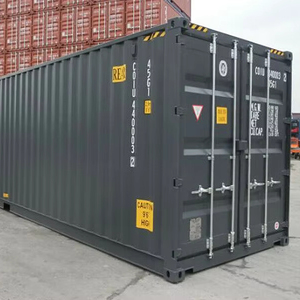
Sea Shipping Cargo Reefer & Open Top Containers
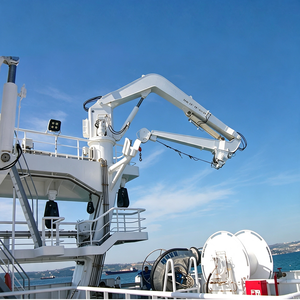
Offshore Knuckle Boom Marine Hydraulic Crane
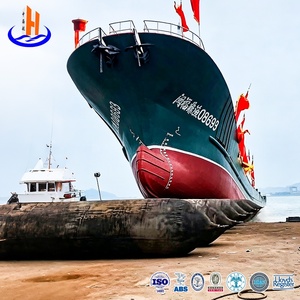
Heavy-Duty Rubber Flotation & Transfer Airbags
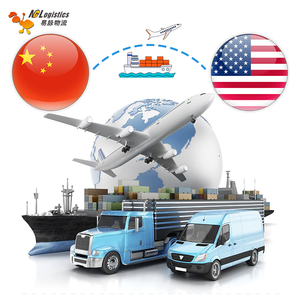
Dangerous Cargo Hazmat Shipping Containers
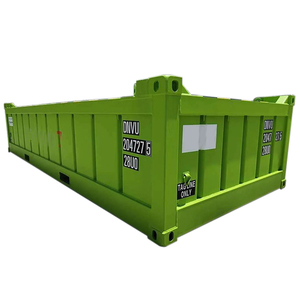
DNV Certified Offshore Portable Tank Container
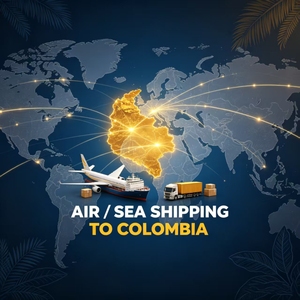
Heavy Industrial Medical Equipment Sea Freight
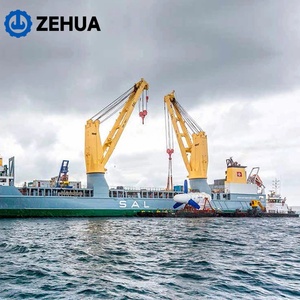
Deck-Mounted Cargo Marine Crane (5t to 50t)
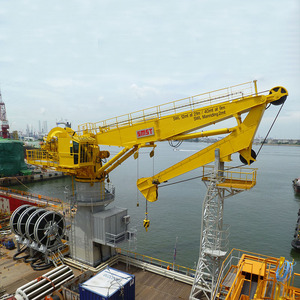
High-Performance Cargo Transfer Marine Crane
Navigating Saudi Medical Device Imports: The Regulatory Landscape
The Kingdom of Saudi Arabia (KSA) is undergoing an unprecedented healthcare infrastructure modernization driven by Saudi Vision 2030 and the National Transformation Program (NTP). As billions of dollars are directed toward hospital construction, specialized diagnostic centers, and regional health clusters (Health Clusters 1, 2, and 3), the demand for high-end medical equipment, diagnostic imaging systems, surgical consumables, and mobile healthcare units has surged exponentially. However, navigating the importation and customs clearance of medical devices in Saudi Arabia represents one of the most stringent regulatory challenges in the Middle East.
Clearance failure or documentation discrepancies do not merely result in financial demurrage; they can lead to severe regulatory sanctions, product seizure, or the revocation of an importer's SFDA license. The Saudi Food and Drug Authority (SFDA) enforces uncompromising control over every medical device entering the Kingdom, mandating strict adherence to the Unified Electronic System (GHAD), Medical Device Marketing Authorization (MDMA), and Good Distribution Practice (GDP) standards.
As a premier logistics and customs clearance authority in Saudi Arabia, Nuraak Gulf Company (operating via Milky Logistics) bridges the gap between international medical device manufacturers, global exporters, and Saudi Arabian healthcare providers. By operating dedicated, licensed customs brokerage teams in-house across all major Saudi ports, we remove administrative friction, guarantee thermal integrity for refrigerated consumables, and accelerate entry clearance from days to hours.
Why Leading Global Exporters Partner with Nuraak Gulf Company
International medical device manufacturers from Germany, the United States, Japan, China, and South Korea face complex local supply chain barriers when landing goods in Saudi Arabia. Nuraak Gulf eliminates supply chain vulnerability through single-point accountability, owning the entire chain from port discharge to hospital staging.
In-House SFDA Brokerage
We do not outsource customs clearance. Our internal team of licensed Saudi customs brokers manages FASAH declarations, SABER certificates, and SFDA inspections directly.
Kingdom-Wide Gateways
Full operational presence across 7 key gateways: King Abdulaziz Port (Dammam), Jubail, Riyadh Dry Port, Jeddah Islamic Port, King Abdullah Port, Yanbu, and Al Batha border.
Validated GDP Fleet
Our company-owned land transport fleet includes multi-temperature active reefer trailers equipped with continuous data loggers and GPS tracking for sensitive pharma cargo.
By controlling the logistics seamlessly under one master file, Nuraak Gulf prevents demurrage fees, avoids document mismatch rejections, and ensures that sensitive healthcare shipments reach medical facilities across Riyadh, Jeddah, Dammam, and NEOM under strict environmental protocols.
Future Procurement & Regulatory Trends for Saudi Arabia (2025–2030)
Medical device procurement in the GCC is transitioning from transactional equipment purchasing to strategic, compliance-integrated supply partnerships. Exporters looking to secure long-term contracts with the Saudi Ministry of Health (MOH), National Unified Procurement Company (NUPCO), and private healthcare conglomerates (such as Dr. Sulaiman Al Habib and Fakeeh Care Group) must align with four critical procurement trends:
1. Shift Toward Mandatory SFDA Authorized Representative (AR) Licensing
Foreign manufacturers cannot import medical devices into Saudi Arabia directly without appointing a legal Saudi-based Authorized Representative (AR). The SFDA mandates that the AR must hold a valid Medical Device Establishment License (MDEL) and manage all GHAD portal submissions. Future procurement tenders will prioritize manufacturers who maintain established local logistics infrastructure capable of direct-to-hospital distribution.
2. Automated Pre-Arrival Customs Clearance via FASAH & SABER
Saudi Customs (ZATCA) has integrated its systems directly with the SFDA. The traditional practice of resolving paperwork upon vessel arrival is obsolete. The market is shifting to 100% pre-arrival customs manifest filing. Shipments lacking pre-cleared Shipment Certificates of Conformity (SCoC) via SABER or pre-validated MDMA approvals face immediate port rejections.
3. Stringent Cold-Chain Validation & Data Integrity
With the rise of biologic therapeutics, targeted oncology diagnostics, and temperature-sensitive diagnostic reagents, SFDA inspectors at Saudi port terminals strictly audit continuous temperature logs. Importers must prove an unbroken cold chain throughout maritime transit, port storage, and final road transportation.
4. Localized Staging & Emergency Spare-Parts Buffer Warehousing
To minimize hospital downtime for critical equipment such as MRI scanners, surgical robotics, and ICU ventilators, Saudi procurement bodies increasingly mandate local spare-parts staging. Nuraak Gulf provides bonded and ambient warehousing solutions in Dammam and Jeddah, enabling rapid dispatch of certified maintenance spares across the Kingdom within 4 to 12 hours.
Medical Device Classification & Compliance Protocol Framework
The SFDA classifies medical devices into four distinct risk categories based on Global Harmonization Task Force (GHTF) principles. Understanding these risk tiers is mandatory for calculating clearance lead times and preparing technical documentation dossiers:
Class I (Low Risk)
Includes manual surgical instruments, hospital beds, and examination gloves. Requires SFDA Medical Device National Registry (MDNR) listing and basic SABER conformity certification prior to clearance.
Class IIa / IIb (Medium Risk)
Includes diagnostic ultrasound equipment, infusion pumps, surgical sutures, and dental x-ray units. Requires full MDMA approval dossier submission via the GHAD platform.
Class III & IV (High Risk)
Includes implantable pacemakers, coronary stents, orthopedic joints, and AI-guided surgical lasers. Demands comprehensive clinical data review, ISO 13485 audit, and MDMA license release.
Nuraak Gulf's regulatory team audits commercial invoices, packing lists, Certificate of Origin (COO), and SFDA MDMA approval numbers prior to vessel loading at origin, ensuring complete harmony between international documentation and Saudi customs requirements.
Medical Device Import & Clearance FAQ (Saudi Arabia)
Expert technical answers to high-intent procurement and regulatory questions routinely encountered by international exporters and Saudi hospital procurement teams.
Accelerate Your Saudi Medical Device Supply Chain
Partner with Saudi Arabia's premier logistics and customs clearance experts. Get an immediate pre-clearance document audit and landed cost calculation within 24 hours.