Strategic Whitepaper Analysis
Navigating Custom OEM Machinery Sourcing & Heavy Logistics in the Greater Istanbul Region
The Istanbul metropolitan area, encompassing key industrial nodes across both the European (Hadımköy, İkitelli, Silivri) and Asian (Tuzla, Gebze corridor, Dilovası) boundaries, serves as the ultimate transcontinental bridge connecting European supply networks with Middle Eastern and Central Asian industrial trade corridors. Sourcing heavy equipment—ranging from hydraulic marine cranes and high-pressure oilfield transfer units to specialized open-top/flat-rack containers—requires a sophisticated understanding of both manufacturing OEM customizability and rigorous localized logistics execution.
Information Gain Insight: Sourcing custom Original Equipment Manufacturer (OEM) machinery for the Istanbul industrial complex is rarely bottlenecked by production capability alone. The structural friction overwhelmingly occurs during last-mile urban delivery across Bosporus bridge networks, navigating restricted maritime draft limits in the Sea of Marmara, and adhering to strict Turkish Customs Authority regulations under the TAREKS (Risk-Based Trade Control System) portal.
When procuring heavy machinery from global manufacturing hubs, global procurement managers must reconcile three vital factors: structural OEM customization to match European-Turkish mechanical standards, multi-modal containerized or breakbulk transit engineering, and regulatory compliance under Turkish Trade and Customs Law (Gümrük Kanunu No. 4458). Without a unified logistics-and-procurement strategy, heavy equipment imports frequently suffer from catastrophic port demurrage fees at major entry points such as Ambarlı Port (European side) or Marport and DP World Yarımca (Asian side).
100%
In-House TAREKS & FASAH Filing
< 48 hrs
Ambarlı & Haydarpaşa Port Clearance
70t+
Heavy Lift Deck & Lowbed Capacity
24/7
Live Dispatch Operations Control
Engineering Customization vs. Import Compliance
Procuring custom heavy machinery demands that global suppliers provide comprehensive documentation from the factory assembly line. Machines bound for the Istanbul market must comply with Turkish Standards Institution (TSE) criteria, European CE marking protocols, and environmental directives (such as Stage V non-road mobile machinery emissions rules). OEM factories must build equipment capable of operating in diverse local topographies—from coastal maritime salinity in Tuzla shipyards to high-load seismic retrofitting sites across urban Istanbul.
Applied Industrial Use Cases
Localized Application Scenarios Across Istanbul's Economic Zones
Detailed operational breakdown of how specialized machinery and logistics containers are deployed across critical infrastructure sectors in Marmara.
1. Tuzla & Yalova Shipyard Offshore Operations
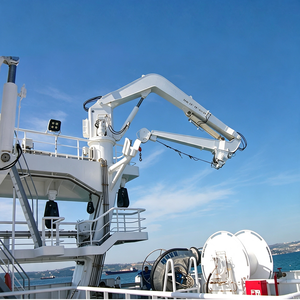
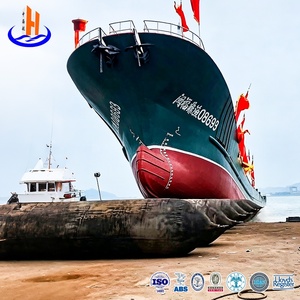
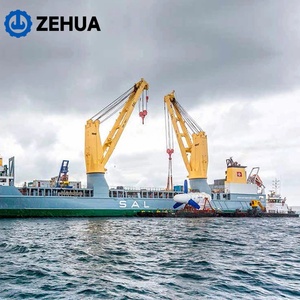
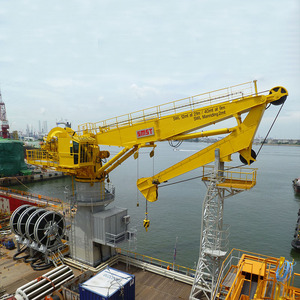
The Tuzla Shipyard Zone and neighboring Yalova marine cluster rely heavily on high-flexibility hydraulic knuckle boom cranes and heavy-duty rubber flotation airbags (50t to 70t capacity). These units enable precise deck handling, vessel cargo maintenance, and safe barge launchings without requiring permanent drydock infrastructure. Custom OEM winch integration ensures seamless performance under harsh Sea of Marmara salinity conditions.
2. Urban Tunneling & Metro Infrastructure Expansion
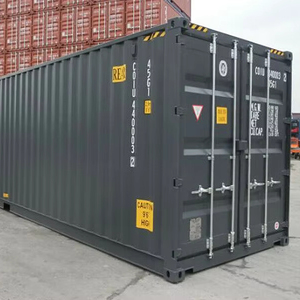
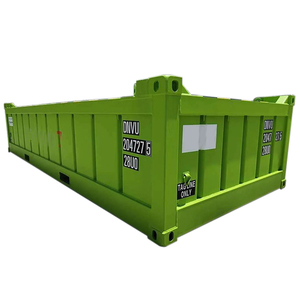
Istanbul's massive underground transit expansions (such as the M12 and M14 subway extensions and Marmaray subterranean maintenance) require continuous delivery of rotary industrial equipment, oversized boring machine components, and heavy spare parts. Utilizing 40ft and 45ft Open-Top and Flat-Rack containers allows top-loading of oversized gear at overseas factories and direct flatbed transport to congested urban work sites.
3. Gebze & Dilovası Chemical & Heavy Manufacturing Hubs
The heavy chemical and resin processing complexes near Dilovası demand specialized certified transport solutions. DNV-certified offshore baskets and portable tank van containers facilitate the safe movement of volatile materials and high-value drilling fluids between offshore oil platforms in the Black Sea and mainland chemical processing facilities in Kocaeli/Gebze, completely compliant with Turkish ADR dangerous cargo protocols.
4. Trans-Bosporus Logistics & Heavy Axle Highway Transit
Moving heavy machinery from European entry ports (Ambarlı) across to Asian industrial parks requires strict compliance with KGM (Karayolları Genel Müdürlüğü) axle load caps and Yavuz Sultan Selim Bridge heavy transport permits. Custom heavy equipment logistics relies on lowbed hydraulic trailers coordinated with police escorts for midnight transits across northern bypass corridors.
Macro Industry Dynamics
Key Trends Shaping Equipment Procurement & Logistics in Turkey (2026-2030)
Procurement strategies in Turkey are undergoing a structural transformation driven by national infrastructure targets, regulatory digitalization, and regional geopolitical realignments. B2B buyers in Istanbul are moving away from traditional fragmented freight booking toward fully integrated, single-accountability procurement logistics partners.
Nearshoring & Custom OEM Hybrid Assembly
Global buyers are increasingly using Istanbul as a mid-stage assembly hub. Heavy machinery core units are manufactured in specialized overseas factories, shipped via ocean freight in flat-rack containers, and finalized with localized hydraulic and digital sub-systems in Marmara workshops for rapid re-export to the EU and Middle East.
Rigorous TAREKS Risk Audit Enforcement
The Turkish Ministry of Trade has expanded the digital inspection scope of the TAREKS portal. Heavy machinery imported without pre-verified test reports, CE declaration conformity, or accurate HS Code classifications faces immediate red-lane physical inspection, driving the demand for pre-cleared, factory-audited procurement files.
Expansion of the Middle Corridor & Ro-Ro Logistics
With traditional northern transit routes constrained, the Caspian Sea - Turkey "Middle Corridor" has seen exponential growth. Ro-Ro (Roll-on/Roll-off) and specialized flat-rack container vessel sailings directly connecting Black Sea ports (Filyos, Samsun) and Marmara ports (Pendik, Yalova) have become essential for project cargo efficiency.
E-E-A-T Enterprise Capabilities
Why Global Procurement Leaders Partner With Our Logistics & Engineering Network
Built upon decades of maritime, breakbulk, and custom machinery forwarding expertise, our organization eliminates the friction between overseas OEM manufacturing plants and final installation sites in Turkey and the broader GCC/Marmara regions. We do not operate as passive freight brokers; we manage every link in the supply chain through direct asset ownership and licensed regulatory execution.
In-House Licensed Customs Brokerage (No Subcontracting)
Unlike conventional freight forwarders who hand off paperwork to third-party brokers, our dedicated legal and customs team directly processes FASAH, TAREKS, and Gümrük Beyannamesi entries. This eliminates communication gaps and prevents costly port demurrage.
Owned Specialized Transport & Hydraulic Lowbed Fleet
We control an internal fleet of multi-axle extendable lowbeds, SPMTs (Self-Propelled Modular Transporters), and heavy flatbed trailers. This guarantees immediate vehicle allocation upon vessel discharge at Ambarlı, Haydarpaşa, or Gebze terminals.
Single Named File Coordinator & 24/7 Operations Desk
Every machinery procurement project is assigned a senior logistics engineer who manages the shipment from factory gate loading to final site positioning. Live status tracking and proactive risk reporting ensure complete operational visibility.
Zero-Demurrage Guarantee Protocols
Our pre-clearance methodology verifies bills of lading, packing lists, commercial invoices, and technical CE certificates before the vessel departs the origin port, protecting your bottom line from unexpected storage fees.
Regulatory & Technical Guidance
Istanbul Heavy Equipment Procurement FAQ
Essential answers for procurement directors, fleet managers, and customs compliance officers importing heavy machinery into Turkey.
What specific documentation is required by Turkish Customs (Gümrük) for importing heavy machinery into Istanbul?
Importing heavy equipment into Turkey requires a comprehensive documentation package: an original Commercial Invoice (approved by local chamber of commerce), Detailed Packing List, Bill of Lading (B/L) or Air Waybill (AWB), Certificate of Origin (ATR or EUR.1 for duty-preference eligibility), and a CE Declaration of Conformity. Machinery falling under regulated HS Codes also requires an active digital upload into the TAREKS portal for safety audit clearance prior to physical release at Turkish ports.
How do you manage last-mile transport of out-of-gauge (OOG) heavy machinery across the Bosporus?
Moving oversized or heavy equipment between European ports (like Ambarlı) and Asian industrial parks (Gebze, Tuzla) is strictly regulated. Transit across the 15 July Martyrs and Fatih Sultan Mehmet bridges is prohibited for heavy freight. We route heavy lowbed movements via the Northern Marmara Motorway and the Yavuz Sultan Selim Bridge, coordinating special permits from Karayolları Genel Müdürlüğü (KGM) and arranging midnight escort vehicles to bypass peak urban congestion.
Can custom OEM cranes and marine deck machinery be tested at origin before ocean shipment?
Yes. Our engineering oversight protocol includes pre-shipment Factory Acceptance Testing (FAT). We inspect hydraulic pressures, load-bearing capacities of knuckle boom cranes, and material stress ratings for marine winches and flotation airbags at the factory assembly line, providing certified inspection reports to ensure compliance before container loading or breakbulk stowing.
What port choice is optimal for heavy breakbulk vs. containerized machinery arriving in Istanbul?
For containerized machinery (Flat-Rack, Open-Top, or GP containers) destined for the European side, Kumport or Marport within the Ambarlı Port Complex is ideal. For breakbulk heavy lift equipment, heavy machinery, or cargo arriving via the Asian side, DP World Yarımca or Autoport/Evyap Port in the Izmit Gulf offer specialized heavy-gantry cranes, direct lowbed highway access, and lower storage costs for out-of-gauge loads.
How are hazardous materials (ADR/IMDG) handled in portable tank containers bound for Marmara industrial zones?
Dangerous goods (such as oilfield chemicals, industrial solvents, or flammable liquids) transported in portable ISO tanks or DNV offshore baskets must strictly comply with IMDG (International Maritime Dangerous Goods) and ADR road transportation regulations. We provide certified hazardous material documentation, specialized placarded transport vehicles, and driver-trained personnel to safely clear and deliver regulated chemical containers directly to plant sites in Gebze and Dilovası.
How long does custom OEM production and maritime transit take from major factory hubs to Istanbul ports?
Manufacturing lead times for custom OEM machinery range from 4 to 8 weeks depending on engineering complexity (e.g., custom hydraulic winches vs. standard reefer containers). Direct ocean freight transit from major Asian manufacturing ports to Istanbul (Ambarlı/Yarımca) typically averages 22 to 30 days. Our logistics team provides continuous tracking and manages customs pre-clearance while the vessel is en route to eliminate port delays upon arrival.