
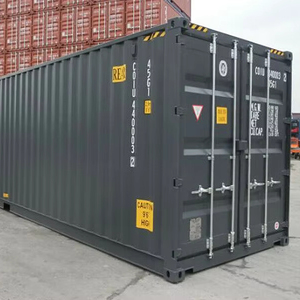
Sea Shipping Cargo 20/40/45GP Reefer, Flat Rack & Open Top Dry Containers
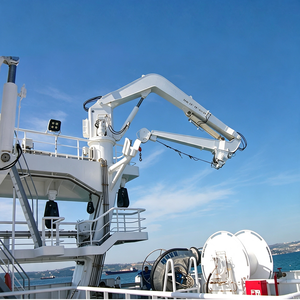
Offshore Knuckle Boom Marine Crane High Flexibility Hydraulic Vessel Crane
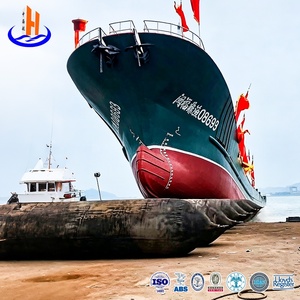
ZHH Heavy-Duty Rubber Oil Rig Barge Transfer Airbags Flotation Logistics Units
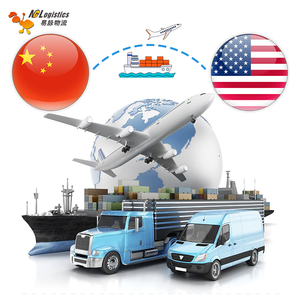
Dangerous Cargo & Chemical Resin Shipping Sea Freight Global Logistics
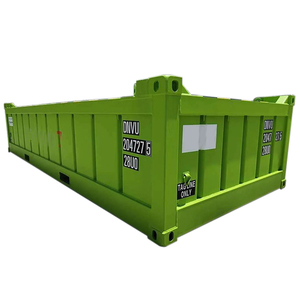
DNV Offshore Basket Portable ISO Tank Van Container for Liquids & Polymers
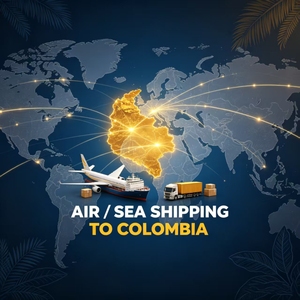
Heavy Industrial Petrochemical Machinery & Large Spare-Parts Sea Freight
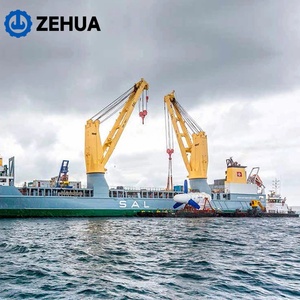
5t to 50t Deck Mounting Winch Crane Units for Cargo Ships & Tanker Vessels
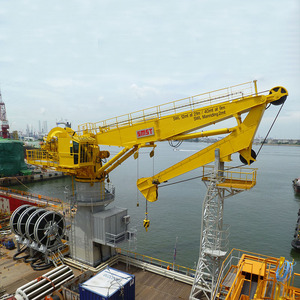
High Performance Marine Knuckle Crane for Deck Cargo Transfer Operations
1. Executive Overview: Jubail Petrochemical Supply Hub to Algeria’s Growing Plastics Industry
The global trade corridor connecting Jubail Industrial City—the world's largest petrochemical complex situated in the Eastern Province of the Kingdom of Saudi Arabia—to the principal ports of Algeria (Algiers, Skikda, Oran, and Bejaia) represents one of the most vital polymer supply chains serving North Africa. Algeria’s domestic manufacturing matrix is undergoing a rapid industrial transformation driven by government import-substitution strategies, agricultural modernization programs (Plasticulture), and expanding infrastructure developments.
As Algeria increases its conversion capacity for blown film extrusion, pipe manufacturing, injection-molded automotive components, and rigid packaging, the demand for high-purity, consistent-grade synthetic resins—specifically High-Density Polyethylene (HDPE), Linear Low-Density Polyethylene (LLDPE), Polypropylene (PP) Homopolymer/Random Copolymer, Polyvinyl Chloride (PVC), and Polyethylene Terephthalate (PET)—has reached unprecedented levels.
Nuraak Gulf Company operates as an integrated end-to-end bulk resin supplier, export facilitator, and logistics architect. By consolidating Jubail’s world-class petrochemical output with specialized bulk handling infrastructure (sea-bulk container liners, 25kg valve bags on ISPM-15 heat-treated pallets, jumbo super-sacks, and liquid ISO tanks), Nuraak Gulf bridges the operational gap between Saudi refining giants and Algerian plastic convertors.
2. Petrochemical Bulk Resin Grade Portfolio & Technical Specifications
Maintaining batch-to-batch polymer consistency is critical for high-speed automated converters in Algerian industrial zones such as Oued Smar (Algiers), Bordj Bou Arreridj, and Es Senia (Oran). Nuraak Gulf supplies prime virgin Jubail-origin petrochemical resins with complete certificates of analysis (CoA), food-contact compliance (FDA/EU), and full traceability.
| Polymer Category | Primary Jubail Grade Specifications | Melt Flow Index (MFI / MFR) | Density (g/cm³) | Target Algerian Manufacturing Applications |
|---|---|---|---|---|
| HDPE (Film & Pipe) | Bimodal / Unimodal High Molecular Weight | 0.05 - 0.25 g/10min (190°C/5kg) | 0.948 - 0.960 | Agricultural greenhouse film, pressure water pipes (PE100 grade), heavy-duty bags. |
| LLDPE (Blown Film) | C4 / C6 Copolymer Butene/Hexene | 0.9 - 2.0 g/10min (190°C/2.16kg) | 0.918 - 0.924 | Stretch wrap, silage film, multi-layer food packaging laminate, shopping bags. |
| PP Homopolymer | Isotactic Raffia & Injection Grade | 3.0 - 25.0 g/10min (230°C/2.16kg) | 0.900 - 0.910 | Woven sacks for agricultural grains, household furniture, automotive interior trims. |
| PP Block Copolymer | Impact Modified Copolymer | 1.5 - 12.0 g/10min (230°C/2.16kg) | 0.902 - 0.908 | Batteries, industrial crates, paint pails, cold-resistant structural containers. |
| PVC Suspension | K-Value 65 - 67 (S-PVC) | Viscosity Number: 105-112 ml/g | 0.53 - 0.57 (Bulk) | Rigid conduit, municipal water pipelines, window profile extrusions. |
| PET Bottle Grade | Crystalline Fast-Reheat Copolymer | Intrinsic Viscosity: 0.80 - 0.84 dl/g | 1.38 - 1.40 | Carbonated soft drink bottles, mineral water preforms, thermoforming sheet. |
3. Localized Application Scenarios Across Algerian Economic Zones
The application of Jubail-manufactured bulk resin in Algeria is shaped by distinct regional economic drivers. Nuraak Gulf tailors export packaging and delivery routes based on destination-specific processing environments:
Biskra & El Oued: Agricultural Plasticulture
Algeria's southern agricultural regions require massive volumes of UV-stabilized LLDPE and HDPE film resins for greenhouse covers, drip irrigation tubing, and mulch film. Nuraak Gulf supplies custom-formulated resins containing high-performance HALS (Hindered Amine Light Stabilizers) designed to withstand intense Saharan solar radiation (200+ kLy/year).
Algiers & Blida: Fast-Moving Packaging
The densely populated central belt consumes substantial volumes of PET bottle preform resin, PP random copolymer for clear food containers, and HDPE blow-molding grades for personal care liquids. Nuraak Gulf manages tightly scheduled container flows into Algiers Port to minimize demurrage and fit local warehouse inventory footprints.
Oran & Hassi Messaoud: Infrastructure & Oilfield
From heavy-duty PE100 black pipe compound for water distribution projects around Oran to heavy industrial chemical drums and liners used in the Sonatrach oilfield concessions of Hassi Messaoud, Nuraak Gulf supplies high-tensile stress-crack-resistant (ESCR) resin grades.
4. Strategic Market Trends & Trade Regulatory Dynamics in Algeria
Navigating the Algerian polymer import market requires an in-depth understanding of evolving macroeconomic policies, trade agreements, and banking regulations. Key market trends currently shaping bulk resin exports from Saudi Arabia to Algeria include:
Banque d’Algérie Import Regulations & Executive Decrees
Algerian trade legislation demands strict adherence to foreign exchange controls and import domiciliation rules (Decree 17-225). Importers of bulk raw materials benefit from prioritized Letter of Credit (L/C) approvals compared to finished goods. Nuraak Gulf works directly with top-tier international banking networks to process sight and usance L/Cs seamlessly under UCP 600 guidelines, issuing compliant pro-forma invoices bearing correct HS codes (e.g., 3901.10 for Polyethylene, 3902.10 for Polypropylene).
Shift Towards Dry Bulk Container Liners (Sea-Bulk)
To cut labor costs and eliminate bag disposal fees at Algerian converter sites, there is a distinct transition from traditional 25kg bagged pallets to 20ft/40ft Dry Bulk Sea-Bulk Container Liners. Utilizing pneumatic loading in Jubail and gravity/pneumatic discharge in Skikda or Algiers allows direct siloing of 21 to 23 metric tons of plastic resin per container, yielding a 12% reduction in landed logistics costs.
5. Jubail-to-Algeria Logistics Architecture & Cargo Integrity Assurance
Transporting synthetic polymers across maritime routes connecting the Persian Gulf, Red Sea, Suez Canal, and Mediterranean Sea introduces significant environmental exposure. Moisture condensation ("container rain"), pellet degradation during pneumatic transfer, and thermal stress must be rigorously controlled.
Jubail Silo Loading
Virgin resin pellets are transferred from refining silos under dehumidified air flow to prevent static buildup and dust formation.
Export Packaging
Multi-layer moisture-barrier 25kg PE bags with shrink-wrapped ISPM-15 heat-treated pallets or PE-coated sea-bulk liners.
Direct Maritime Route
Vessel loading via Jubail Commercial Port or King Fahd Industrial Port to Skikda / Algiers with tracked ocean transit.
Algerian Customs Release
D10 Customs declaration handling, phytosanitary checks, and immediate bonded trucking to converter facilities.
6. Why Global Polymer Buyers Partner with Nuraak Gulf Company
As Saudi Arabia’s trusted logistics and export partner, Nuraak Gulf Company provides an integrated supply chain platform that eliminates third-party delays, operational friction, and unbudgeted charges:
Jubail Physical Hub & Fleet Assets
Direct presence in Dammam and Jubail Industrial City with company-owned land transport fleets, container chassis, and bonded staging yards ensuring fast container turnarounds.
In-House SABER & FASAH Brokerage
Licensed customs brokerage integrated directly into Saudi Arabia’s FASAH platform and SABER system, guaranteeing error-free export documentation and certificate of origin (CoO) authentication.
Proactive Risk & Demurrage Control
Complete visibility over free-time windows at both Saudi loading ports and Algerian discharge ports, preventing silent demurrage or storage penalty billing.
7. Frequently Asked Questions (FAQ) for Algerian Polymer Importers
Below are clear, technical answers to the most frequent commercial, regulatory, and logistics queries raised by Algerian plastic manufacturers and purchasing directors:
1. What ocean transit times can be expected for bulk resin shipments from Jubail to Algerian ports? +
2. How are custom certificate requirements managed under Banque d’Algérie regulations? +
3. What export packaging options provide the best protection against moisture and pellet contamination? +
- 25kg Valve Bags: 5-layer moisture-proof polyethylene bags, shrink-wrapped and hood-sealed on ISPM-15 heat-treated wooden or plastic pallets (typically 1,375kg to 1,500kg per pallet, ~24.75 MT per 40ft container).
- Jumbo Bags (Super Sacks): 1,000kg to 1,250kg woven polypropylene bags with inner PE liners and top-spout filling / bottom-spout discharge.
- Dry Bulk Sea-Bulk Liners: Custom-fitted virgin PE liners inside 20ft or 40ft containers for direct bulk pneumatic loading (up to 23 MT per 20ft container).
4. Can Nuraak Gulf supply prime virgin polymer grades from major Jubail producers? +
5. How are payment terms structured for Algerian plastic converters? +
6. How does Nuraak Gulf prevent "container rain" moisture damage during transit across warm maritime corridors? +
7. Is standalone customs clearance available if freight is arranged independently? +
Streamline Your Bulk Resin Supply Chain from Jubail to Algeria
Connect directly with Nuraak Gulf's specialized petrochemical logistics team to receive detailed resin specifications, direct ocean freight quotations, and custom packaging solutions tailored to your converting plant.