

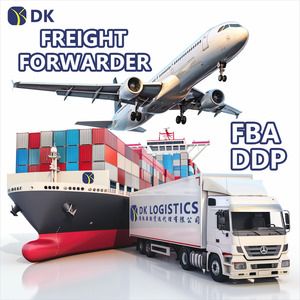
Catalog & Export Machinery
Featured Port-to-Site Heavy Logistics Equipment & Solutions
Turnkey freight, heavy lift modular haulage, and localized port discharge services optimized for the Spanish industrial and energy sectors.
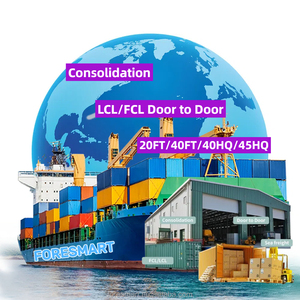
FCL Container & Heavy Equipment Warehouse Consolidation Service

International Express & DDP Heavy Lift Logistics to Bilbao / Valencia
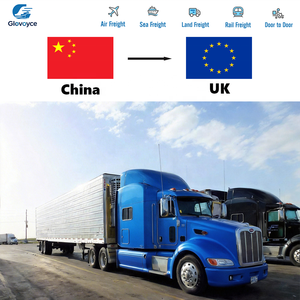
Professional Heavy Lift Breakbulk Road Freight & SPMT Inland Delivery
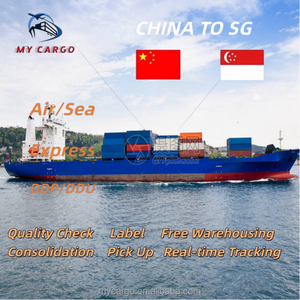
Port to Port Ocean Shipping & EU Customs DUA Clearance for Machinery

Urgent Rig & Industrial Spares Air Freight Door-to-Site Logistics
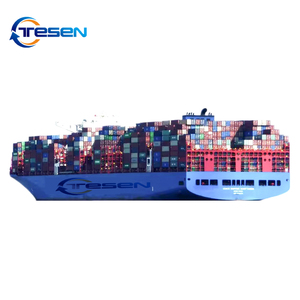
Specialized Container Lines: Flat Racks, Open Tops & High Cube Units
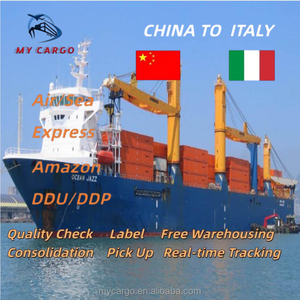
Heavy Industrial Equipment Port-to-Site Multimodal Transport Solutions
100%
DGT Escort Compliance
600T+
Single-Piece Lift Capacity
4 Major
Spanish Port Gateways
0
Demurrage Overrun Track
Technical Whitepaper & Market Guide
Port-to-Site Heavy Transport Engineering in the Spanish Market: Strategic Framework for EPC Contractors and Manufacturers
Executing port-to-site heavy transport across the Iberian Peninsula demands an intricate fusion of ocean breakbulk chartering, heavy-lift port discharge operations, specialized hydraulic axle trailer configuration, and rigorous compliance with Spain’s Dirección General de Tráfico (DGT) special transport regulations. As global manufacturers and international exporters expand capital goods shipments into Spain—fuelled by massive investments in renewable energy infrastructure, green hydrogen plants, petrochemical modernization, and high-speed rail networks—the demand for reliable, engineering-led heavy freight logistics has reached an unprecedented high.
Navigating the journey from a manufacturing hub in Asia or Europe to a remote project site in Spain presents severe structural bottlenecks if managed by fragmented vendors. Ocean carriage, stevedoring, customs clearance via the European Documento Único Administrativo (DUA), route civil works, and final SPMT (Self-Propelled Modular Transporter) positioning must operate under a singular point of operational control. This industry whitepaper outlines the essential engineering methodologies, localized regulatory nuances, and transport corridor dynamics required to achieve zero-demurrage, risk-mitigated port-to-site execution across Spain.
Core Industry Takeaway: In Spanish project cargo logistics, transit delays rarely occur on the high seas. Over 85% of cost overruns stem from improper port-berth heavy crane staging, delayed DGT Autorización Especial de Circulación permits, or unverified bridge weight-bearing tolerances along Spain's mountain corridors (e.g., AP-68 or A-1).
Structural Pillars of Turnkey Port-to-Site Logistics in Spain
Hydraulic Modular Trailers (SPMT)
Deployment of multi-axle Goldhofer and Scheuerle hydraulic trailers capable of distributing wheel loads up to 45 tons per axle line for oversized reactors, transformers, and gas turbines.
DGT Permit & Escort Management
In-house processing of DGT Special Transport Permits (Permisos Especiales de Circulación - TIP) and coordination with the Guardia Civil de Tráfico for highway closures.
Port Heavy Lift Stevedoring
Direct discharge capabilities utilizing vessel gear or shore tandem mobile harbor cranes (up to 400T capacity) at Bilbao, Valencia, Tarragona, and Algeciras ports.
Spain’s Strategic Port Infrastructure & Heavy Lift Discharge Capability Analysis
Selecting the optimal Spanish port of entry is the first critical decision in route optimization. Spain’s geographical terrain—characterized by high mountain plateaus (the Meseta Central)—means inland transport from coastal ports involves significant elevation gain, tunnel clearance checks, and bridge weight restrictions.
| Port Gateway | Geographic Zone Served | Max Crane Lift Capacity | Primary Industrial Sector Focus | Key Inland Highway Axis |
|---|---|---|---|---|
| Port of Bilbao (Abra Exterior) | Northern Spain, Basque Country, Navarre, Castile-León | Heavy Lift Berths (Up to 600T) | Wind Energy (Blades/Nacelles), Automotive Machine Tools | AP-68, A-1 Corridor to Madrid |
| Port of Valencia | Central Spain, Madrid Metropolitan Zone, Levant Region | Tandem Mobile Harbor (Up to 300T) | Industrial Automation, Machinery, General Breakbulk | A-3 Corridor directly to Central Spain |
| Port of Tarragona | Catalonia, Ebro Valley, Aragon Industrial Belt | Specialized Heavy Cargo Ramp | Petrochemical Reactors, Refineries, Heavy Chemical Skid Modules | AP-7 Mediterranean Axis, A-23 |
| Port of Algeciras / Huelva | Andalusia, Extremadura, Southern Green Hydrogen Corridor | Ro-Ro Heavy Ramp & Floating Cranes | Solar Thermal Plants, Wind Turbines, Mining Infrastructure | A-4 South Corridor, A-66 Via de la Plata |
Localized Application Scenarios Across Spain
Renewable Energy Sector
Onshore Wind Farm Components Transport in Aragon & Galicia
Importing 85-meter turbine blades and 120-ton nacelles via the Port of Bilbao or Ferrol. Transport requires specialized blade lifters (up to 60-degree pitch inclination) to negotiate tight roundabout radii and mountain passes along the Pyrenean foothills without removing road infrastructure.
Petrochemical & Refining
Ultra-Heavy Reactor Vessel Moves in Tarragona & Puertollano
Discharging 450-ton hydro-cracking reactors at Tarragona breakbulk berths. Utilizing 24-axle line SPMTs operating in side-by-side configuration with dual tractor push-pull arrangements to navigate steep grades along the N-420, complete with police escorts and overpass structural shoring.
Solar & Power Grid
Transformer & Substation Delivery in Seville & Extremadura
Direct ship-to-trailer discharge of 220-ton power transformers at the Port of Seville (Guadalquivir waterway). Involves navigating low-clearance rural bridges via drop-deck vessel trailers and executing precision jacking and skidding onto concrete pads at remote solar farms.
High-Speed Rail & Civil
Tunnel Boring Machine (TBM) Haulage for Basque Y Infrastructure
Multimodal transport of TBM cutterheads (6.8-meter diameter) from manufacturing facilities in Asia into Northern Spain. Requires 3D swept-path simulation software to verify clearance inside highway tunnels along the E-70 corridor prior to physical haulage.
Localized Market Trends & Regulatory Shifts in Spain
The heavy transport landscape in Spain is undergoing rapid transformation, driven by statutory green energy mandates and evolving transport safety standards. Key trends shaping procurement strategies include:
- Spain’s National Energy and Climate Plan (PNECU 2023-2030): The aggressive expansion of solar photovoltaic, wind power, and green hydrogen electrolyzer plants requires over 2.5 million freight tons of heavy machinery imports through 2030, necessitating long-term vessel-to-site capacity contracts.
- Strict DGT Digitalization & GPS Escort Mandates: The Spanish Dirección General de Tráfico now enforces real-time GPS telemetry sharing for all category 3 special transports (gross vehicle weight exceeding 110 tons or width exceeding 4.5 meters), allowing authorities to monitor bridge crossings in real-time.
- Shift Toward Rail-to-Port Multimodal Integration: Spain's investment in the Corredor Mediterráneo and Corredor Atlántico rail corridors is encouraging hybrid breakbulk logistics—moving heavy components via coastal short-sea shipping combined with heavy rail flatcars before final mile SPMT road transport.
Why Global Exporters Choose Our Port-to-Site Heavy Transport Network
Moving out-of-gauge (OOG) and heavy lift cargo into Spain demands an engineering partner that owns assets, employs local master riggers, and directly manages regulatory compliance. Our operational framework delivers guaranteed accountability:
In-House Licensed Customs Brokers
Direct filing of Spanish DUA customs entries, EU T1 transit bonds, and tariff classification for complex plant equipment, eliminating third-party handoffs.
3D CAD & Route Swept Path Engineering
Before any trailer turns a wheel, our logistics engineers perform digital route surveys, bridge axle-stress calculations, and laser 3D obstacle scans across Spanish roadways.
Company-Owned Asset Fleet
Direct access to state-of-the-art Goldhofer THP/SL modular axles, lowbeds, vessel decks, and prime movers with full European EU-standard maintenance certs.
Frequently Asked Questions
Spain Port-to-Site Heavy Transport FAQ
Expert technical answers to common logistics, customs, and transport permit queries in the Spanish market.
What permits are required for oversized heavy transport on Spanish highways (DGT)?
In Spain, oversized cargo requires a Permiso Especial de Circulación issued by the DGT. Transport is categorized into three levels depending on dimensions and weight: Generic (up to 45T, 20.5m length), Specific (up to 110T, 4.5m width), and Exceptional (over 110T, requiring dedicated route engineering, bridge load approvals, and Civil Guard escorts). Processing times range from 5 working days for generic permits to 4 weeks for exceptional loads.
How are customs clearance and EU duty handled at Spanish ports of entry?
Heavy machinery imports entering Spanish ports (e.g., Bilbao, Valencia, Barcelona) require a Documento Único Administrativo (DUA). Cargo can be cleared directly at the port of entry for free circulation within the EU, or transferred under a T1 External Transit Procedure bond to an inland bonded warehouse or final site under customs supervision before duty settlement.
Which Spanish port is best for discharging heavy wind turbine components?
The Port of Bilbao (Abra Exterior) and Port of Avilés in Northern Spain are the leading hubs for wind energy breakbulk. Bilbao features heavy-load berths (up to 25 tons/m² ground load capacity), specialized quay cranes, and direct highway connections to the main wind project regions in Navarre, Aragon, and Castile-León.
Are there weekend or night driving restrictions for heavy transports in Spain?
Yes. Spain enforces strict driving restrictions for special transport cargo. High-tonnage shipments cannot travel during weekends (from Friday 15:00 to Sunday 24:00), on national public holidays, or during major summer holiday traffic operations. Most category 3 exceptional transports are restricted to night-time movement (22:00 to 06:00) with private pilot cars and Civil Guard escorts.
What is the maximum single-piece weight your SPMT trailers can transport in Spain?
Utilizing our hydraulic multi-axle modular trailers (Goldhofer THP/SL series), we can configure up to 36 axle lines in combination, accommodating single-piece payload weights exceeding 600 metric tons. Exact payload capacity depends on bridge engineering approvals along the designated route.
Plan Your Port-to-Site Heavy Haulage in Spain Today
Provide your cargo specs, origin port, and target destination in Spain. Our project engineering desk will return a complete route survey feasibility study and transparent landed cost proposal within 24 hours.
Inquire Now