
Red Sea Transit Architecture
Direct liner services navigating the Suez Canal and Red Sea choke points, featuring continuous GPS/AIS tracking, dynamic war-risk mitigation, and priority berth access at key transshipment hubs.
Bettembourg Multimodal Integration
Seamless transition from North Sea entry ports (Antwerp, Rotterdam, Zeebrugge) directly into Luxembourg's Bettembourg Intermodal Terminal via high-speed rail corridors, bypassing highway bottlenecks.
DNV 2.7-1 & Industrial Compliance
Rigorous structural verification for offshore baskets, ISO tanks, and heavy-lift gear. Full alignment with EU Machinery Directive 2006/42/EC and international maritime safety codes.
Engineering Whitepaper: Optimizing Red Sea Ocean Freight to Luxembourg via Multimodal Supply Chains
As global trade corridors undergo structural realignments due to maritime security shifts and fluctuating fuel economics, European enterprises located in landlocked strategic hubs—most notably the Grand Duchy of Luxembourg—require highly resilient, multi-tiered container freight and heavy-equipment procurement frameworks. The ocean corridor linking Red Sea manufacturing platforms, petrochemical plants, and marine engineering hubs directly to Northern European maritime gateways represents a vital lifeline for raw materials, industrial machinery, and offshore infrastructure components.
1. Maritime Corridor Dynamics: Red Sea Transit & European Feeder Integration
Ocean freight originating from Red Sea manufacturing hubs—including King Abdullah Port, Jeddah Islamic Port, Yanbu, and regional feeder networks—navigates through complex maritime nodes. Containerized cargo entering European waters utilizes primary gateways such as Port of Antwerp-Bruges, Rotterdam, and Zeebrugge. For Luxembourgish industrial buyers, managing the balance between direct Red Sea liner routes and Cape of Good Hope rerouting options is paramount to controlling landed costs and inventory lead times.
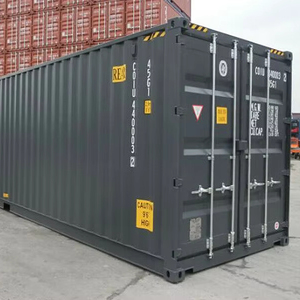
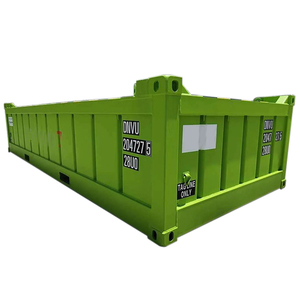
Specialized equipment, such as Flat Racks (20ft/40ft), Open Top Containers, and DNV 2.7-1 Offshore Baskets, demands tailored stowage plans on container vessels. Over-dimensional rotary equipment, marine cranes, and oil rig components require precise structural weight distribution calculations to comply with SOLAS VGM (Verified Gross Mass) regulations prior to ocean dispatch.
| Equipment / Unit Type | Structural Specification | Payload Capacity (kg) | Target Local Application in Luxembourg |
|---|---|---|---|
| 40ft High Cube Reefer | Daikin/Carrier cooling unit, -30°C to +30°C | 29,400 kg | Pharma cold-chain & high-value chemical transit |
| 40ft Collapsible Flat Rack | Corten steel, heavy-duty lashing points (30t) | 45,000 kg | ArcelorMittal steel coils & heavy construction plant |
| DNV 2.7-1 Offshore Basket | EN 12079 certified, marine grade zinc coating | 10,000 to 15,000 kg | Offshore engineering spares & energy exploration gear |
| Class 1-9 Hazmat Container | IMDG compliant, explosion-proof ventilation | 26,000 kg | Automotive chemical solvents & industrial reagents |
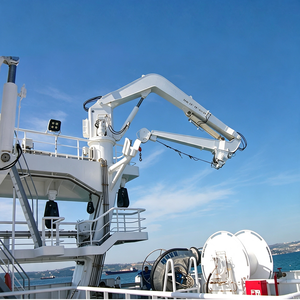
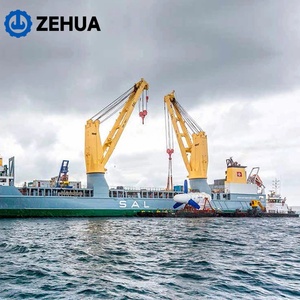
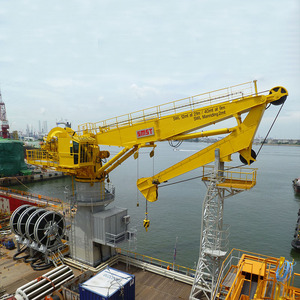
| Hydraulic Marine Crane | Knuckle boom, 5t to 70t lifting moment | N/A (Deck Mounted) | Barge transfer & inland waterway logistics support |
2. Intermodal Architecture: From North Sea Ports to Luxembourg's Bettembourg Hub
Luxembourg’s geographic position at the heart of the Blue Banana economic corridor makes it an ideal inland distribution hub for containerized ocean freight. Once containers disembark at Antwerp or Rotterdam, they are integrated into daily intermodal shuttle trains bound for the Bettembourg-Dudelange Terminal. This modal shift from road to rail reduces CO2 emissions by up to 75% per container-kilometer, fulfilling stringent European Green Deal mandates.
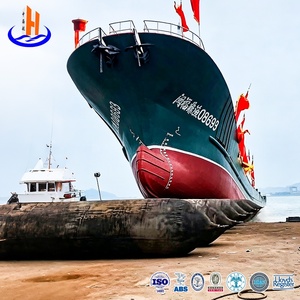
For out-of-gauge (OOG) industrial gear, such as heavy-duty deck-mounted cranes and barge transfer airbags, specialized low-bed trailers (Heavy Transport / Transport Exceptionnel) operate under Luxembourgish Ministry of Mobility permits, navigating the A3 and A1 motorway corridors directly to final job sites in Differdange, Esch-sur-Alzette, or Luxembourg-Findel Logistics Park.
3. Technical Specifications & Structural Engineering Integrity
Procuring containerized units and marine deck machinery from Red Sea manufacturers requires strict adherence to European safety and metallurgical standards:
• Corrosion Resistance Coatings: All marine cranes and container frames undergo multi-coat epoxy primer and polyurethane finish treatments designed to withstand ISO 12944 C5-M high-salinity marine environments.
• DNV 2.7-1 Certification: Offshore baskets and portable tanks feature non-destructive testing (NDT) of load-bearing welds, integrated four-leg wire rope slings, and full traceability of structural steel heat numbers.
• Hydraulic Flexibility: Knuckle boom marine cranes utilize load-sensing hydraulic valves and continuous 360-degree slewing mechanisms, permitting precision cargo positioning even during heavy deck pitching and rolling conditions.
Steel & Heavy Manufacturing (Belval / Differdange)
Heavy-duty Flat Racks and Open-Top containers transport raw alloy additives and heavy manufacturing equipment to Luxembourg's historic steelworks, ensuring zero downtime in continuous production lines.
Automotive OEM Supply Chains (Contern & Colmar-Berg)
Automotive components and specialized synthetic materials arrive via Class 1-9 Hazmat containers, supporting tier-1 suppliers and tire manufacturing plants operating within Luxembourg's industrial parks.
Offshore & River Barge Operations (Moselle River Port of Mertert)
Knuckle boom marine cranes and flotation airbags are deployed at Luxembourg's inland Port of Mertert, enabling smooth cargo transshipment along the Moselle-Rhine river waterways to inland Europe.
Enterprise Governance & Supply Chain Reliability
Backed by decades of maritime logistics expertise, our Red Sea-to-Luxembourg shipping solutions conform strictly to international maritime law, EU customs regulations, and environmental standards.
Full Customs & Duty Deferment Support
Assisting Luxembourgish importers with T1 transit declarations, NCTS customs clearance, and VAT reverse-charge mechanisms for streamlined capital management.
End-to-End IoT Cargo Telemetry
24/7 visibility into location, shock impact, door openings, and climate status for sensitive reefer and hazardous chemical shipments.
ISO 9001 & ISO 14001 Certification
Operational workflows engineered for maximum quality management, safety protocol compliance, and continuous carbon footprint optimization.
Dedicated Heavy Lift Engineering Desk
Naval architects and marine surveyors on call to execute rig positioning plans, crane stability calculations, and custom container lashing certifications.
How are ocean containers delivered from North Sea ports to Luxembourg destinations?
Containers arriving from Red Sea ports disembark at Antwerp or Rotterdam and are loaded onto daily intermodal container trains servicing the Bettembourg Multimodal Terminal. From Bettembourg, last-mile road haulage delivers the container directly to your facility in Luxembourg, avoiding long-distance highway tolls and road congestion.
What documentation is required for importing Class 1-9 Hazardous Cargo into Luxembourg?
Imports require a valid Dangerous Goods Declaration (DGD) compliant with IMDG codes for sea transit and ADR regulations for land carriage across Europe. Furthermore, safety data sheets (SDS) in French, German, or English must accompany the shipment for customs validation at the European entry point.
Are the DNV offshore baskets certified for European offshore and marine deployment?
Yes. All DNV Offshore Baskets and Portable Tanks supplied meet DNV 2.7-1 / EN 12079 design and manufacturing standards. Complete material test reports (MTRs), NDT inspection certificates, and sling load-test documentation are provided upon delivery.
How can we mitigate lead-time volatility caused by Red Sea maritime disruptions?
We maintain dual-routing strategies: direct Red Sea express sailings during stable windows, and pre-negotiated Cape of Good Hope long-haul feeder contracts during high-risk periods. Buffer inventory options at our Bettembourg bonded warehouse facility allow Luxembourg buyers to hold strategic stock locally.
Can deck-mounted marine cranes be customized for specific vessel deck layouts?
Absolutely. Our marine engineering team provides customized pedestal heights, boom reach lengths, load charts, and electro-hydraulic power pack configurations (400V/50Hz or custom system voltages) matching your specific vessel class or barge deck design.