

Featured Heavy Marine, Offshore & Container Systems
Direct factory-engineered deck machinery, heavy-lift cranes, specialized ISO units, and Ro-Ro vessel chartering assets tailored for Central & Eastern European maritime corridors.
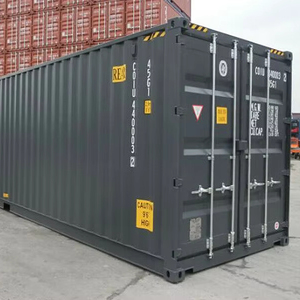
Sea Shipping Cargo Second Hand 20/40/45GP Reefer/flat Rack/open Top Side Open Containers for Trading on Sale
Contact Us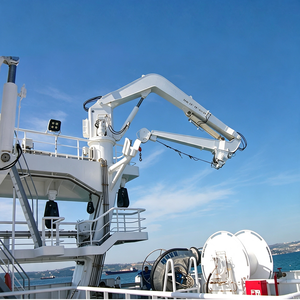
Offshore Knuckle Boom Marine Crane High Flexibility Hydraulic Ship Crane for Vessel Cargo Maintenance Operations
Contact Us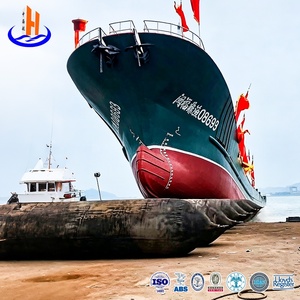
ZHH Heavy-Duty Rubber Oil Rig Barge Transfer Airbags Flotation Units Long Life Span for Boat Offshore Platform Logistics Made
Contact Us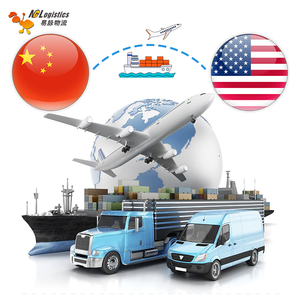
Dangerous Cargo Shipping Container Sea/Ocean Freight Services From China to California/Texas Hazardous Goods Shipping
Contact Us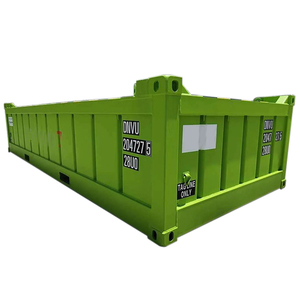
DNV Offshore Basket Portable tank Van Container Sea Shipping Container for Transporting Equipment for Oil Rigs
Contact Us
Heavy Machinery Sea Freight to Colombia Port | Rotary Industrial Equipment & Large Spare-Parts
Contact Us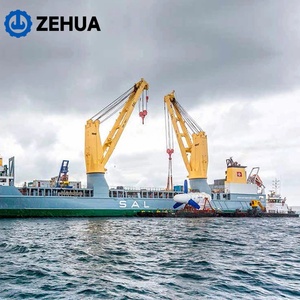
5t 10t 20t 30t 50t 70t Suitable for deck mounting on cargo ships tankers fishing vessels and offshore platforms
Contact Us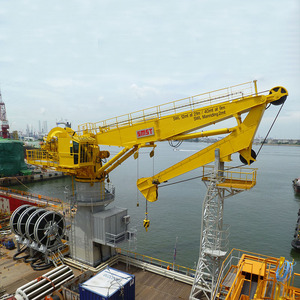
High Performance Marine Knuckle Crane for Offshore Cargo Transfer and Flexible Deck Handling
Contact UsNavigating Polish Heavy Machinery Imports via Ro-Ro Vessel Chartering
An exhaustive engineering analysis of Roll-on/Roll-off (Ro-Ro) vessel chartering economics, Baltic port infrastructure compliance, and end-to-end heavy vehicle supply chains for Polish industrial prime contractors.
Poland has solidified its position as the premier manufacturing, industrial re-export, and infrastructure development powerhouse of Central and Eastern Europe (CEE). Driven by massive investments in renewable energy (specifically Baltic offshore wind farm clusters), military modernization initiatives, large-scale highway expansion projects (A1, A2, S3, S7 corridors), and industrial plant construction in regions such as Silesia (Śląsk), Lower Silesia (Dolny Śląsk), and Greater Poland (Wielkopolska), the demand for heavy wheeled equipment, oversized construction machinery, agricultural vehicles, and high-and-heavy (H&H) project breakbulk has hit an unprecedented peak.
Securing reliable, cost-effective, and low-risk maritime transit for heavy wheeled cargo into Poland requires moving beyond standard containerized sea freight. Standard Lift-on/Lift-off (Lo-Lo) container vessels present severe structural limitations when handling self-propelled heavy machinery, articulated dump trucks, mining excavators, mobile cranes, and agricultural combines. Roll-on/Roll-off (Ro-Ro) vessel chartering—supported by direct factory suppliers and specialized vessel operators—eliminates crane-lifting risks, reduces port dwell times, and optimizes landed costs.
Technical Matrix: Ro-Ro Chartering vs. Standard Containerized / Breakbulk Lo-Lo for Poland Imports
| Engineering Vector | Dedicated Ro-Ro Vessel Chartering | Standard Container (Flat Rack / Open Top) | Breakbulk (Lo-Lo Cargo Ship) |
|---|---|---|---|
| Lifting Risk & Integrity | Zero Crane Lifting Required (Driven or towed on ramps) | High risk during crane loading & lashing onto rack | Extreme crane-lift stress on chassis/axles |
| Cargo Height & Axle Limits | Accommodates deck heights up to 6.2m & 150T axle loads | Strictly restricted by container cell dimensions | High height allowance, but weather exposed |
| Polish Port Dwell Time | 12 to 24 Hours (Direct roll-off at Ro-Ro quay) | 3 to 7 Days (Container yard congestion) | 2 to 5 Days (Crane schedule dependency) |
| Weather Protection | 100% Fully Enclosed Under-Deck Storage | Partial exposure on flat racks | Weather exposed unless deck-chartered |
| Demurrage & Storage Risk | Eliminated via direct vessel-to-lowbed dispatch | High demurrage fees after 5 free days | Variable port quay storage surcharges |
Localized Application Scenarios in the Polish Market
How direct Ro-Ro vessel chartering integrates with Polish transport corridors, Baltic seaports, and regional industrial hubs.
Port of Gdańsk & Gdynia Maritime Corridors
Direct chartering of pure car/truck carriers (PCTC) and specialized Ro-Ro vessels calling at the Pomeranian Quay (Nabrzeże Pomorskie) in Gdańsk or the Baltic Container Terminal (BCT) Ro-Ro berths in Gdynia. Ideal for high-density shipments of heavy construction earthmovers destined for major northern transport projects.
Silesian Industrial & Mining Hub Supply
Heavy mining haulers, tunneling machinery, and industrial crawler equipment routed from Baltic ports via the A1 Motorway directly to Upper Silesia (Katowice, Gliwice, Rybnik). Ro-Ro discharge ensures smooth ramp-to-lowbed trailer transitions without requiring onshore heavy-lift mobile cranes.
Baltic Offshore Wind Energy Support
Transportation of heavy-duty wheeled equipment, specialized hydraulic modular transporters (SPMT), and deck-mounted marine cranes (e.g., offshore knuckle boom cranes) for Baltic onshore staging yards near Port of Łeba and Ustka, accelerating Poland’s offshore wind energy buildout.
Macro Development Trends Shaping Poland’s Heavy Logistics
Key economic drivers accelerating the demand for factory-direct Ro-Ro vessel chartering and marine support equipment in Poland.
1. Strategic Military & Civil Infrastructure Hub
Poland has emerged as NATO’s main logistical gateway for Eastern Europe. Modernization programs require the continuous influx of heavy tracked and wheeled vehicles, engineering recovery equipment, and defense transport fleets via Baltic sea routes under strict timelines and security protocols.
2. Central Transport Hub (CPK) Expansion
The Centralny Port Komunikacyjny (CPK) mega-project, along with nationwide railway and highway extensions, demands thousands of heavy-duty construction vehicles, dumpers, and specialized earth-moving units. Ro-Ro chartering provides the required volume transport velocity.
3. Direct Asian & Middle Eastern Sourcing
Polish industrial buyers and general contractors are increasingly bypassing Western European middlemen, establishing direct factory relationships with OEM equipment manufacturers for heavy cranes, offshore baskets, marine winches, and specialized containers shipped directly into Baltic ports.
Why Polish Procurement Leaders Choose Our Fleet & Supply Network
Built to eliminate logistics friction, prevent port demurrage, and deliver total accountability from origin factory to Polish job site.
Single-Point File Accountability
Most heavy cargo shipments fail at the handovers between shipping lines, customs brokers, charterers, and lowbed hauliers. We operate as one single accountable operator. One dedicated logistics coordinator manages your vessel laycan, Baltic customs filing, and delivery file.
Zero Silent Demurrage Guarantee
We proactively monitor free-time windows, port congestion indicators, and ITD (Główny Inspektorat Transportu Drogowego) permit timelines. We flag risk before it bills—you will never be surprised by unexpected quay storage fees or line demurrage charges.
Same-Working-Day Quotation
Standard Ro-Ro vehicle movements and equipment supply queries received before 14:00 CET are quoted on the same working day. For complex multi-vessel chartering or out-of-gauge (OOG) project cargo, our engineering team performs route & stowage surveys before issuing guaranteed landed rates.
Frequently Asked Questions by Polish Logistics Directors
Clear, direct answers regarding customs clearance, vessel chartering, Baltic port operations, and heavy transport compliance.
Optimize Your Poland Heavy Machinery Supply Chain
Connect directly with our vessel chartering desk and heavy marine equipment specialists. Receive detailed laycan schedules, stowage evaluations, and landed landed-cost quotations for the Polish market.