Specialized Heavy Haul & Ro-Ro Fleet Equipment for Export
Explore our core heavy vehicle vessel chartering assets, marine cranes, offshore flotation systems, and specialized shipping containers configured specifically for West African maritime trade corridors.
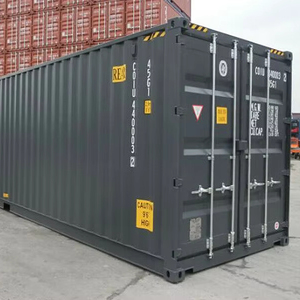
Sea Shipping Cargo Second Hand 20/40/45GP Reefer/Flat Rack/Open Top Containers
CSC certified intermodal ISO containers for out-of-gauge equipment, heavy machinery spare parts, and temperature-controlled freight to Lagos ports.
Send an Inquiry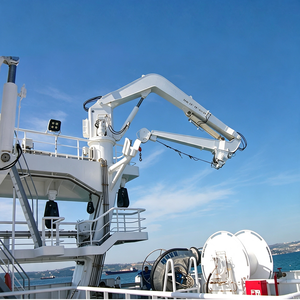
Offshore Knuckle Boom Marine Crane High Flexibility Hydraulic Ship Crane
Heavy-duty marine hydraulic knuckle cranes designed for deck mounting on Ro-Ro vessels and cargo maintenance offloading in West Africa.
Send an Inquiry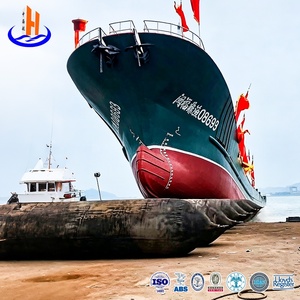
ZHH Heavy-Duty Rubber Oil Rig Barge Transfer Airbags Flotation Units
High-grade rubber marine airbags engineered for oil rig barge transfer, vessel launching, and shallow draft heavy equipment buoyancy in the Niger Delta.
Send an Inquiry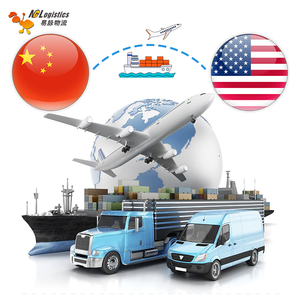
Dangerous Cargo Shipping Container Sea Freight Services China to Global
Certified hazmat sea freight solutions for industrial chemicals, batteries, and volatile oilfield consumables destined for West African ports.
Send an Inquiry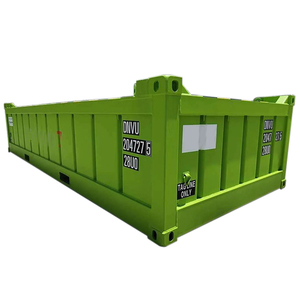
DNV Offshore Basket Portable Tank Van Container Sea Shipping Container
DNV 2.7-1 certified offshore baskets and ISO tank containers designed for safe ocean transport of equipment to offshore rigs and oilfields.
Send an Inquiry
Heavy Machinery Sea Freight & Industrial Equipment Spare Parts
Specialized Ro-Ro and breakbulk charter shipping services for rotary industrial units, mining excavators, heavy dump trucks, and structural spares.
Send an Inquiry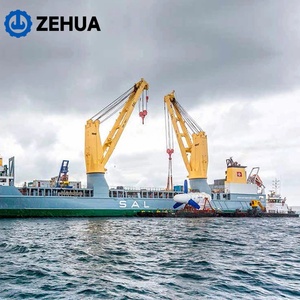
5t 10t 20t 30t 50t 70t Deck Mounting Cargo & Offshore Platform Cranes
Custom heavy-lift marine cranes suitable for mounting on cargo liners, oil tankers, fishing vessels, and offshore barges serving West Africa.
Send an Inquiry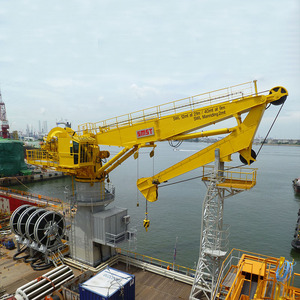
High Performance Marine Knuckle Crane for Offshore Deck Handling
Precision-engineered hydraulic knuckle cranes providing high flexibility, corrosion protection, and rapid cargo handling for maritime vessels.
Send an InquiryDirect Carrier Vessels & Charter Options for Nigeria
Whether shipping wheeled mining dump trucks, tracked excavators, heavy crane trucks, or oversized breakbulk cargo, our Pure Car and Truck Carriers (PCTC) and specialized Ro-Ro charter fleets provide safe, weather-protected, ramp-driven loading directly to West African deepwater ports.
Comprehensive Industry Whitepaper: Navigating Ro-Ro Heavy Vehicle Vessel Chartering for the Nigerian Market
The import of heavy motor vehicles, civil construction machinery, agricultural fleets, and oilfield equipment into Nigeria represents one of the most critical supply chain corridors in Sub-Saharan Africa. As Nigeria advances its nationwide infrastructure projects—including the Lekki Free Trade Zone developments, the Lagos-Calabar Coastal Highway, massive solid mineral extraction concessions, and deepwater energy projects—the operational demand for dedicated Roll-on/Roll-off (Ro-Ro) heavy vehicle vessel chartering suppliers and exporters has escalated significantly.
Unlike standard containerized shipping, Ro-Ro chartering offers unparalleled structural safety and cost-efficiency for rolling stock, tracked equipment, and static heavy machinery mounted on MAFI roll-trailers. By eliminating the necessity for costly port gantry lifting operations and reducing exposure to sea spray and physical handling impact, Ro-Ro shipping guarantees that high-value capital assets arrive in Nigeria intact and operational.
1. Technical Mechanics of Heavy Vehicle Ro-Ro Chartering
Ro-Ro vessel chartering relies on internal ramp systems and specialized deck configurations to load and stow wheeled or tracked vehicles under their own power or via specialized prime movers. For project managers, procurement directors, and EPC contractors exporting to Nigeria, understanding vessel geometry and ramp mechanics is essential for preventing port bottlenecks and cargo damage.
| Vessel Type | Stern Ramp Capacity | Free Deck Height | Primary Cargo Application |
|---|---|---|---|
| PCTC (Pure Car & Truck Carrier) | 150 - 300 Metric Tons | 5.0m - 6.2m | Commercial trucks, buses, light excavators, articulated dump trucks. |
| ConRo (Container/Ro-Ro Vessel) | 200 - 400 Metric Tons | 4.5m - 5.5m | Combination of 20ft/40ft containers and rolling machinery fleets. |
| Heavy Lift Ro-Ro / LORO | 350 - 500+ Metric Tons | 6.5m - 8.0m | Extra-heavy industrial rigs, mobile cranes, oversized project breakbulk. |
Key technical parameters to consider during charter contract negotiations include:
- Stern Ramp Loading Limits: Heavy mining dump trucks and multi-axle mobile cranes demand stern ramps capable of sustaining axle loads exceeding 40 to 60 tons per axle set.
- Clear Height & Internal Hoistable Decks: PCTC vessels feature hoistable decks that can be adjusted upward to accommodate oversized machinery heights up to 6.2 meters.
- MAFI Roll-Trailer Integration: Non-running machinery, broken-down units, and heavy static components (such as industrial transformers or turbine rotors) are loaded onto heavy-duty MAFI trailers (capacities ranging from 30 to 120 metric tons) and towed directly onto the ship’s lower decks.
- Securing & Lashing Standards: Compliance with IMO Annex 13 Code of Safe Practice for Cargo Stowage and Securing is mandatory to withstand high ocean swell conditions across the South Atlantic.
4. Localized Application Scenarios Across Nigerian Key Sectors
The operational landscape for heavy vehicle deployment in Nigeria varies drastically by regional geography, infrastructure readiness, and industrial sector requirements. Below are four primary localized application scenarios where dedicated Ro-Ro chartering provides distinct competitive advantages over traditional breakbulk or containerized shipping.
Dangote Refinery & Free Trade Zone Corridor (Lekki)
Logistics demands for the Lekki Free Trade Zone require rapid delivery of heavy tractor-trailers, fuel tankers, and construction fleets. Utilizing direct Ro-Ro charter sailings into Lekki Deep Sea Port bypasses legacy traffic bottlenecks around Apapa and Tin Can Island, allowing immediate drive-off offloading and rapid deployment to industrial sites.
Niger Delta Offshore & Onshore Energy Supply Bases
Upstream energy operations based out of Onne Port (Port Harcourt) and Warri demand specialized heavy rig support vehicles, winch trucks, and mobile hydraulic cranes. Ro-Ro chartering allows oilfield service providers to ship complete vehicle convoys together, ensuring zero equipment desynchronization upon port arrival.
Civil Infrastructure: Lagos-Calabar Highway & National Rail
Massive civil engineering projects mandate the import of dozens of bulldozers, motor graders, asphalt pavers, and heavy compaction rollers. Dedicated Ro-Ro vessel chartering ensures entire fleets can be loaded simultaneously at Asian or European loading ports and discharged directly onto Nigerian soil under unified shipping documentation.
Solid Minerals & Mining Belts (North-Central Nigeria)
Mining concessions in Kogi, Nasarawa, and Plateau States require heavy-duty rigid dump trucks and mobile crushing plants. Using MAFI trailers and Ro-Ro chartering prevents component damage during sea transit and streamlines handover to inland heavy-haul flatbed transporters at the port terminal.
5. Macroeconomic Trends Shaping Maritime Supply Chains in Nigeria
Understanding local regulatory and economic shifts is vital for international exporters and Nigerian importers. Key trends currently transforming Ro-Ro heavy vehicle vessel chartering include:
- Rise of Deepwater Infrastructure: The commissioning and operational scaling of Lekki Deep Sea Port has introduced deep-draft berths (up to 16.5 meters), allowing larger post-Panamax Ro-Ro vessels to call directly in Nigeria without requiring offshore lightering or transshipment at neighboring West African ports.
- Port Decongestion & Digitalization: The Nigerian Ports Authority (NPA) and Nigerian Customs Service (NCS) are aggressively pushing for electronic documentation (Single Window System, e-Form M, e-Valuation) to drastically reduce dwell times at Lagos Port Complex (Apapa) and Tin Can Island Port.
- African Continental Free Trade Area (AfCFTA): As intra-African trade barriers reduce, Nigeria is positioning itself as a West African feeder hub. Ro-Ro chartering suppliers are increasingly configuring multi-port discharge itineraries connecting Lagos, Tema (Ghana), and Abidjan (Ivory Coast).
- Stricter Environmental Compliance: Global Ro-Ro charterers are updating fleets to satisfy IMO 2030 decarbonization targets and EEXI/CII efficiency regulations, bringing fuel-efficient Dual-Fuel LNG/MGO Ro-Ro vessels into the West African trade lanes.
Frequently Asked Questions by Nigerian Buyers & Importers
Clear, actionable answers on customs documentation, import procedures, SONCAP requirements, and port handling for heavy vehicle chartering to Nigeria.
End-to-End Accountability. One Team, One Journey.
Most heavy cargo failures occur at handovers between separate brokers, ocean carriers, hauliers, and terminal operators. We eliminate these operational seams by providing a unified, fully accountable supply chain solution.
In-House Customs Brokers
We do not subcontract clearance. Our licensed in-house customs clearance brokers manage FASAH, SABER, SFDA, and Nigerian PAAR entries directly, ensuring error-free documentation and rapid clearance.
Single Named Coordinator
From the moment your Ro-Ro charter booking is opened until final site delivery, one dedicated coordinator owns your shipment file. No call center queues, no ticket passes, just direct accountability.
Zero Silent Demurrage Policy
We track port free-time windows continuously. You are notified proactively before risk window expiration, preventing unexpected storage fees from ever appearing on your final bill.
Multi-Gateway Infrastructure
Operating across major trade hubs—from Arabian Gulf & Red Sea ports (Dammam, Jubail, Jeddah, Yanbu) to key West African deepwater gateways—we select port entry based on your destination economics.
24/7 Operations Desk
Our logistics management desk is actively monitored 24 hours a day, 7 days a week, keeping you continuously informed as your Ro-Ro heavy vehicle charter moves across ocean and land corridors.
Company-Owned Transport Assets
We maintain our own heavy transport fleet, lowbeds, and multi-axle modular trailers, providing guaranteed onward land delivery from discharge ports without relying solely on spot-market truck availability.
Plan Your Ro-Ro Heavy Vehicle Charter to Nigeria Today
Provide your origin port, machinery fleet inventory, target discharge date, and destination requirements. Our specialized heavy haul chartering desk will prepare a comprehensive routing itinerary and landed cost proposal.