

Specialized Export & Cold-Chain Cargo Infrastructure
Certified intermodal containers, heavy deck cranes, offshore fluid transfer units, and hazardous cargo solutions engineered for Saudi-Slovakia trade corridors.
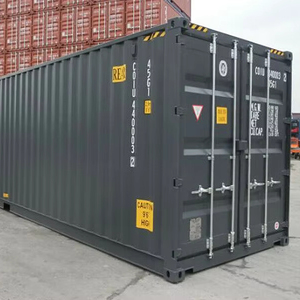
20/40/45GP Reefer & Open Top Containers
Precision temperature-controlled reefer units for SFDA-certified perishable foods, meats, and dairy exported to European markets.
Get Catalog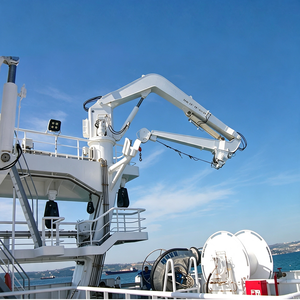
Offshore Knuckle Boom Hydraulic Marine Crane
High-flexibility hydraulic deck handling systems for vessel cargo operations, port discharge, and offshore logistics.
Get Catalog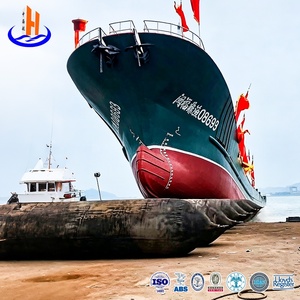
ZHH Heavy-Duty Barge Transfer Airbags
Pneumatic flotation and barge transfer units with extended service lifespan for marine heavy-lift and platform logistics.
Get Catalog
Hazardous Goods & Dangerous Freight Containers
IMDG-compliant specialized containers designed for secure sea freight shipping of chemical additives and regulated food ingredients.
Get Catalog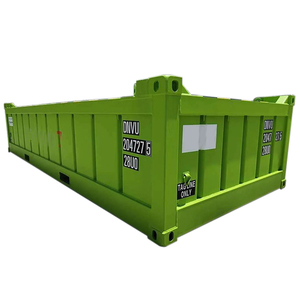
DNV Offshore Basket & Portable Tank Containers
DNV 2.7-1 certified portable tanks and offshore cargo baskets for safe intermodal transfer of food oils and processing liquids.
Get Catalog
Heavy Industrial & Processing Machinery Logistics
End-to-end heavy ocean transport solutions for rotary food processing equipment, industrial spare parts, and factory plant lines.
Get Catalog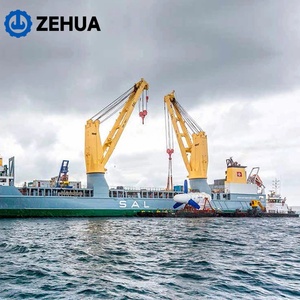
5t-70t Heavy Deck-Mounted Vessel Cranes
Heavy-lift marine cranes suitable for deck mounting on cargo vessels, bulk carriers, and offshore logistics barges.
Get Catalog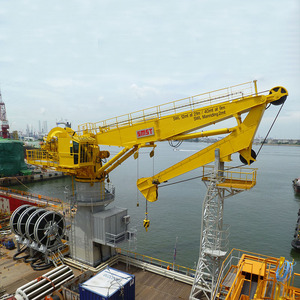
High-Performance Cargo Handling Knuckle Crane
Precision deck handling marine crane engineered for fast, secure offshore cargo transfers and port intermodal movement.
Get CatalogExecutive Whitepaper: SFDA Food Export Architecture & EU Market Entry into Slovakia
The trade corridor connecting Saudi Arabian food manufacturers with Slovakia and the broader European Union (EU) represents one of the most commercially promising yet regulatory intensive supply chains in modern agrifood logistics. Under the ambitious framework of Saudi Arabia’s Vision 2030, the Kingdom’s food manufacturing sector—encompassing processed dates, refined edible oils, dairy products, bakery goods, packaged seafood, and specialized food ingredients—has scaled export capacity significantly. However, gaining seamless entry into Slovakia’s rapidly expanding food distribution networks (centred in Bratislava, Trnava, and Košice) requires flawless compliance with two powerful regulatory authorities: the Saudi Food and Drug Authority (SFDA) at origin, and the State Veterinary and Food Administration of the Slovak Republic (ŠVPS SR) acting under European Food Safety Authority (EFSA) directives at destination.
1.1 The SFDA Export Clearance Framework for Saudi Factories
Every Saudi factory intending to ship food products to Slovakia must operate through approved SFDA electronic systems. The regulatory clearance process is structured into four mandatory phases:
- Factory Registration & Accreditation (Ghad System): The manufacturing establishment must hold an active SFDA industrial license, ISO 22000 or HACCP certification, and an approved registration code on the Ghad platform. For animal-origin goods or processed foods containing dairy or meat elements, factory premises undergo specialized export auditing.
- Laboratory Batch Analysis & Health Certificate Issuance: Prior to cargo dispatch, sample testing must be executed by SFDA-accredited laboratories. Test parameters cover microbiological pathogens (e.g., Salmonella, Listeria monocytogenes), heavy metals, pesticide residues, aflatoxins, and unauthorized additives. Upon satisfactory testing, SFDA issues the official electronic Health Certificate for Exported Food.
- Phytosanitary & Halal Governance: Plant-based raw food exports require Phytosanitary Certificates issued by the Ministry of Environment, Water and Agriculture (MEWA) alongside SFDA verification. For goods targeting Halal-conscious market segments in Central Europe, accredited Halal Certificates must be registered through the Saudi Halal Center.
- FASAH Customs Platform Integration: The SFDA Health Certificate, commercial invoice, bill of lading, and certificate of origin are declared through Saudi Arabia's single-window customs platform, FASAH. Custom officers verify container seals and issue the final export release manifest at gateways like Dammam Port (King Abdulaziz Port) or Jeddah Islamic Port.
| Regulatory Stage | Saudi Authority / System | Slovakia / EU Equivalent | Critical Compliance Deliverable |
|---|---|---|---|
| Establishment Licensing | SFDA Ghad Registration | EU Approved Establishment List | Verified Manufacturer Facility ID |
| Product Safety Clearance | SFDA Accredited Lab Certificate | EFSA Contaminant Limits (EC 1881/2006) | Pathogen & Heavy Metal Free Test Log |
| Official Health Certification | SFDA Export Health Certificate | EU CHED-P / CHED-D via TRACES NT | Synchronized Electronic Health Certificate |
| Border Customs Filing | FASAH Export Declaration | Slovak Customs (Finančná správa) / EORI | Validated SAD (Single Administrative Document) |
1.2 Slovakia and EU Gateway Import Control Mechanisms
Slovakia is a landlocked nation positioned in the heart of Central Europe. Cargo entering Slovakia originating from Saudi Arabian ports typically lands at key Southern European seaports—primarily Port of Koper (Slovenia) or Port of Rijeka (Croatia)—or Northern hubs like Hamburg (Germany) or Rotterdam (Netherlands). From these ocean gateways, cargo travels via bonded intermodal rail or temperature-controlled trucks directly to Slovak inland customs terminals in Bratislava or Dunajská Streda.
Under Official Controls Regulation (EU) 2017/625, all non-EU food imports must undergo three levels of inspection at the first EU Border Control Post (BCP):
- Documentary Check: 100% verification of the SFDA Health Certificate, Bill of Lading, and pre-lodged TRACES NT notification.
- Identity Check: Physical inspection of container seals, sanitary marks, and product labeling against official paperwork. Labels must include Slovakian language (SK) translations covering product name, net weight, ingredient list, allergen highlights, lot code, shelf life, and importer details.
- Physical & Laboratory Check: Risk-based physical sampling for organoleptic quality, temperature compliance, and chemical screening.
Localized Application Scenarios: Saudi to Slovakia Trade Corridors
Strategic multimodal routing, cold-chain preservation protocols, and regional distribution models tailored for Slovak industrial and retail buyers.
Scenario A: High-Value Date & Confectionery Export
Premium Saudi dates (organic Ajwa, Sukkari, Medjool) and gourmet date-paste manufacturing goods exported from Al-Ahsa factories via Dammam Port. Transported in climate-controlled 40ft Reefer containers (+14°C to +18°C) to prevent sugar crystallization, transit via Koper BCP directly into Bratislava FMCG distribution hubs within 16 days.
Scenario B: Edible Oil & Industrial Bulk Fat Supplies
Refined vegetable oils and specialty food fats processed in Yanbu or Jubail industrial cities shipped using DNV 2.7-1 portable tanks and food-grade ISO tank containers. Transferred seamlessly from vessel to rail cars, supplying Slovakia's bakery and processed food sector in Trnava and Žilina.
Scenario C: Deep-Frozen Poultry & Seafood Logistics
SFDA-sanctioned Halal frozen poultry and Red Sea processed seafood exported from Jeddah Islamic Port in heavy-duty active reefers (-20°C). Integrated continuous GPS and data-logger telemetry ensures unbroken cold chain auditability required by Slovak health inspectors upon border entry.
Localized Development Trends: Bilateral Saudi-Slovakia Trade Dynamics
The economic relationship between the Gulf Cooperation Council (GCC) and Central/Eastern Europe (CEE) is entering a transformative growth phase. Slovakia, recognized as a primary manufacturing power and logistics node within the EU single market, is actively diversifying its food import sources to bolster food security and meet consumer demand for diverse product lines.
1. Rise of Halal & Ethnic Food Demand
Central Europe is experiencing sustained expansion in ethnic retail and tourism-driven hospitality sectors. Slovak buyers increasingly seek authentic, SFDA-certified Halal packaged products with full supply chain traceability.
2. IoT-Driven Cold-Chain Telemetry
EU regulations demand verifiable temperature audit logs. Saudi exporters utilizing smart reefers with real-time humidity, temperature, and door-opening sensors gain significant preference among Slovak import managers.
3. Green Corridor Intermodal Rail
Transitioning cargo from ocean vessels at Adriatic ports (Koper/Rijeka) onto electrified rail lines to Bratislava reduces carbon emissions by up to 65%, aligning with the EU Green Deal mandates.
Furthermore, Saudi Arabia's investment in advanced agritech and food manufacturing zones—such as the King Abdullah Economic City (KAEC) Food Zone and Jubail Industrial City—has dramatically reduced unit production costs. When combined with optimized ocean freight routes, Saudi food manufacturers offer highly competitive landed prices in Slovakia compared to traditional suppliers from North Africa or South America.
Enterprise Strengths: Nuraak Gulf Integrated Logistics Capability
As a leading Saudi logistics provider operating across the Kingdom and the GCC, Nuraak Gulf Company bridges the gap between Saudi manufacturing floors and international buyers. We eliminate supply chain risk by combining freight forwarding, customs brokerage, land transport, and warehousing under a single accountable contract.
In-House Licensed Brokers
Our own certified customs agents manage FASAH, SABER, and SFDA entries directly—no third-party subcontracts or delays.
Company-Owned Fleet
Maintained fleet of flatbeds, lowbeds, and active reefer trailers providing Kingdom-wide factory pickup and port transport.
7 Saudi Maritime Gateways
Operational presence at Dammam, Jubail, Riyadh Dry Port, Jeddah, King Abdullah Port, Yanbu, and Al Batha border.
24/7 Operations Desk
Dedicated single named file coordinator who proactively monitors every milestone from booking to final proof of delivery.
Frequently Asked Questions: Saudi Food Export to Slovakia
Expert answers covering regulatory compliance, logistics lead times, customs documentation, and container specifications.
Partner with Saudi Arabia's Premier Trade Logistics Team
Plan your food export program or source specialized container equipment for the Slovakia and European market. Contact our Dammam operations desk for same-day technical consultation and landed rate quotations.
Get Catalog