

SABER Certified Equipment & Cargo Systems for KSA Import
Every product below is certified under SASO Technical Regulations, integrated with FASAH customs, and optimized for sea/air freight from Pakistan ports to Saudi Arabian gateways.
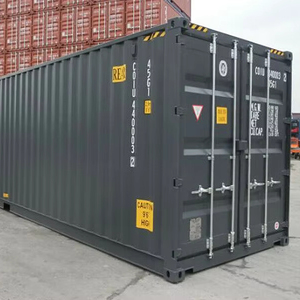
Sea Shipping Cargo Second Hand 20/40/45GP Reefer & Side Open Containers
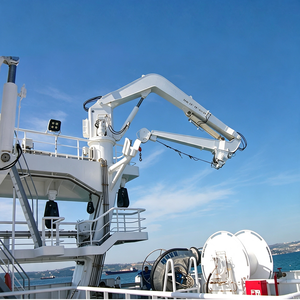
Offshore Knuckle Boom Marine Crane High Flexibility Hydraulic Vessel Crane
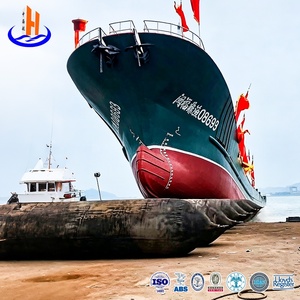
ZHH Heavy-Duty Rubber Oil Rig Barge Transfer Airbags & Flotation Units

Dangerous Cargo Shipping Container Hazmat Sea Freight Logistics Units
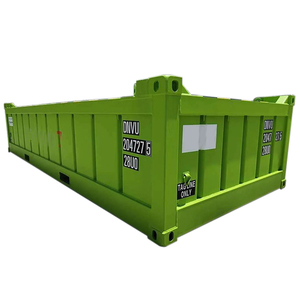
DNV 2.7-1 Offshore Basket Portable Tank Van Container for Oil Rigs

Heavy Machinery & Rotary Industrial Equipment Project Cargo Units
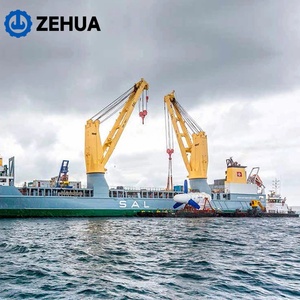
5t to 70t Deck Mounting Winches for Cargo Ships & Offshore Platforms
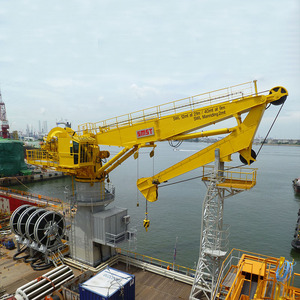
High Performance Marine Knuckle Crane for Offshore Cargo Transfer
Navigating Saudi SABER Certification for Pakistani Industrial Exporters
As trade volumes between Pakistan and the Kingdom of Saudi Arabia (KSA) expand under Saudi Vision 2030 and bilateral economic frameworks, Pakistani manufacturers of heavy machinery, marine cranes, oilfield transfer systems, and hazardous cargo containers face a highly regulated customs landscape. The Saudi Standards, Metrology and Quality Organization (SASO) has fully operationalized the SABER Online Platform, an electronic system designed to enforce compliance with Saudi Technical Regulations (TR) before goods leave foreign ports.
Navigating SABER requires a rigorous multi-stage verification protocol. For exporters based in Pakistani manufacturing hubs such as Karachi, Lahore, Sialkot, and Gujranwala, obtaining a Product Certificate of Conformity (PCoC) and a subsequent Shipment Certificate of Conformity (SCoC) is no longer optional—it is a non-negotiable legal prerequisite for entry through major Saudi ports including King Abdulaziz Port Dammam, Jeddah Islamic Port, and Jubail Commercial Port.
Product Certificate (PCoC)
Valid for one year. Requires factory risk assessments, ISO 17025 accredited laboratory testing reports, and technical file approval by an authorized SASO Conformity Assessment Body (CAB) in Pakistan.
Shipment Certificate (SCoC)
Issued specifically for each individual shipment file. Generated via the SABER platform after matching the commercial invoice, packing list, and bill of lading against an active PCoC.
FASAH Customs Integration
Direct API synchronization between SABER and Saudi Arabia's FASAH national clearance portal, eliminating paper documents and enabling automated customs clearance within hours of vessel docking.
Top 10 Saudi SABER Customs Certification Manufacturer & Supplier Solutions
Below is an authoritative technical breakdown of the top 10 manufacturing and supply categories exported from Pakistan to Saudi Arabia, detailing their specific SASO Technical Regulations (TR), testing standards, and compliance pathways.
1. Offshore Knuckle Boom & Hydraulic Deck Cranes
Technical Regulation: SASO TR for Machinery Safety (M.A.-161-17-06-02).
Pakistani marine engineering vendors producing high-flexibility hydraulic vessel cranes must obtain type-approval certification under API 2C and DNV standard rules. SABER registration requires non-destructive testing (NDT) documentation for structural welds, hydraulic burst pressure proof test certificates, and full load-chart compliance logs submitted to SASO-accredited conformity bodies prior to containerization at Port Qasim.
2. Heavy Machinery & Rotary Industrial Equipment
Technical Regulation: SASO TR for Machinery & Building Material Safety.
Heavy rotary equipment, industrial gearboxes, and plant machinery manufactured in Pakistani industrial complexes (such as Faisalabad and Lahore) require complete electromagnetic compatibility (EMC) testing and mechanical stress verification under IEC/EN standards. PCoC issuance depends on verifying electrical safety parameters and factory production control (FPC) audits.
3. DNV 2.7-1 Offshore Baskets & Tank Containers
Technical Regulation: SASO TR for Transportable Pressure Equipment & Containers.
Offshore equipment dedicated to Aramco oilfields must comply with DNV 2.7-1 / EN 12079 design criteria. Suppliers in Pakistan must upload certified pad-eye weld inspection reports, drop-test certifications, and sling set proof-load records to SABER to secure seamless customs clearance at Dammam Port.
4. Dangerous Cargo Hazmat Sea Freight Shipping Containers
Technical Regulation: SASO TR for Chemical Packaging & Hazmat Transport Units.
Containers destined for hazardous chemical transport must align with IMDG Code standards and SASO chemical packaging directives. Material safety data sheets (MSDS) translated into Arabic, UN packaging approval markings, and leak-tightness test logs are mandated for SABER SCoC release.
5. Rubber Oil Rig Barge Transfer Airbags & Flotation Units
Technical Regulation: SASO TR for Rubber and Plastic Products.
Heavy-duty marine salvage airbags and barge transfer units manufactured under ISO 14409 must pass tensile strength testing of high-strength synthetic-tire-cord layers. The SABER certification demands material formulation verification and anti-aging vulcanization reports.
6. Deck Mounting Winches & Marine Mooring Systems
Technical Regulation: SASO TR for Lifting Equipment & Accessories.
From 5-ton auxiliary winches to 70-ton heavy deck mounting units, Pakistani suppliers must demonstrate compliance with ISO 7365 marine winch standards. SABER documentation requires breaking strain certification for wire ropes and brake holding load test records.
7. Special Purpose Containers (Reefer, Open Top & Flat Rack)
Technical Regulation: SASO TR for Commercial Vehicles and Cargo Units.
Second-hand or new 20ft/40ft/45ft shipping containers entering KSA trade lanes require valid CSC plates, structural soundness inspection clearance, and reefer cooling system gas safety clearance under SASO environmental regulations.
8. Oilfield Drilling Consumables & Tubular Goods
Technical Regulation: SASO TR for Metals and Alloys.
Drilling pipes, couplings, and wellhead tools produced in Pakistan must carry API 5CT and API 6A monograms. SABER submission involves material heat treatment certification, chemical composition analysis, and hydrostatic pressure testing logs.
9. Integrated Door-to-Door Freight Forwarding & Clearance
Service Standard: End-to-End Multimodal GCC Transport.
Connecting Pakistani exporters with Saudi end-users demands unified freight logistics. Operating across sea routes from Karachi to Dammam/Jeddah, combined with in-house customs brokerage, guarantees that cargo never sits idle waiting for SABER document validation.
10. On-Site Technical Audit & Conformity Consulting
Compliance Support: In-Factory SASO Audit Readiness.
Experienced compliance directors conduct pre-audits in Pakistani factories, identifying non-conformities in labeling (Arabic instruction manuals, rating plates, country of origin markings) before official SASO CAB inspectors conduct physical audits.
Localized Application Scenarios in KSA Infrastructure & Offshore Projects
Pakistani products and SABER certification workflows are designed for direct integration into Saudi Arabia’s high-growth economic zones and industrial infrastructure hubs.
Eastern Province Industrial Hub
Locations: Dammam, Jubail, Ras Tanura
Deployment of DNV 2.7-1 offshore baskets, barge airbags, and heavy rotary equipment directly into Aramco offshore concessions and Jubail petrochemical plants. Streamlined entry via King Abdulaziz Port ensures immediate site delivery.
Red Sea Megaprojects Zone
Locations: NEOM, Red Sea Global, Yanbu
Supplying marine knuckle boom cranes, deck mounting winches, and hazard-rated shipping containers for coastal infrastructure, port construction, and green-energy facilities clearing through Jeddah Islamic Port and King Abdullah Port.
Central Region Development Corridor
Locations: Riyadh Metropolitan & Dry Port
Importation of heavy construction machinery, structural components, and reefer logistics containers entering via bonded rail links from Dammam to Riyadh Dry Port, requiring strict SABER PCoC compliance for commercial release.
SABER Customs Clearance Workflow Matrix: Traditional vs. Fast-Track Direct Model
Comparing standard third-party certification approaches against our unified, direct-manufacturer SABER integration protocol from Pakistan to Saudi Arabia.
| Evaluation Parameter | Standard Fragmented Process | Unified SABER Integration Model |
|---|---|---|
| PCoC Registration Time | 14 - 21 Working Days (Frequent Rejections) | 3 - 5 Working Days (Pre-Audited Technical File) |
| SASO CAB Audit Protocol | Uncoordinated Third-Party Inspection | In-House Pakistani Factory Pre-Audit Alignment |
| SCoC Generation Speed | 48 - 72 Hours Post-Vessel Loading | Automated Generation Within 12 Hours of B/L Issue |
| FASAH Integration Risk | High Risk of Manual Document Discrepancy | 100% Direct API Data Sync with Zero Manual Error |
| Demurrage Risk at KSA Ports | Moderate to High (Container Hold Risk) | 0% Risk Guarantee (Pre-Cleared Prior to Berthing) |
| Port Coverage | Single Port Focus (e.g., Jeddah Only) | All 7 KSA Seaports, Airports & GCC Land Borders |
Localized Trends in Pakistan-to-Saudi Arabia Maritime Trade
Bilateral Engineering Expansion
Industrial collaboration between Pakistan and Saudi Arabia has transitioned from raw commodity exchange to complex high-value engineering goods. With Saudi Vision 2030 driving massive infrastructure demand, Pakistani manufacturers are increasingly supplying specialized marine deck machinery, offshore structures, and specialized containers.
This technological shift makes adherence to SASO standards critical. Uncertified equipment risks immediate rejection, severe customs fines, and forced re-export at the vendor's expense.
Digital Customs Modernization
The integration of SABER with the Saudi Arabian customs portal (FASAH) has transformed port logistics. Physical paper certificates have been entirely replaced by digital cryptographic tokens mapped directly to commercial invoices and container numbers.
Exporters in Karachi and Lahore must utilize synchronized data entries. Any variance between the declared HS Code in Pakistan and the approved SASO Technical Regulation code in Saudi Arabia causes instant customs holds.
Why Leading Exporters Partner with Our Certification & Freight Desk
Eliminating seams between manufacturing in Pakistan, SABER registration, ocean freight, and final Saudi inland transportation.
In-House Licensed Brokers
We do not subcontract clearance. Our licensed Saudi customs brokers file FASAH entries directly, resolving compliance queries in real time.
Company-Owned KSA Fleet
Our dedicated lowbeds, flatbeds, and multi-axle trailers move cleared cargo immediately from Dammam or Jeddah to your Saudi project site.
Single Point of Accountability
One file, one named coordinator, and one seamless operation connecting your Pakistani factory floor directly to the Saudi end-user.
Frequently Asked Questions (FAQ) for Pakistani Exporters
Clear answers to common questions about SABER certification, SASO regulations, and Saudi customs clearance for Pakistani manufacturers.