Featured Heavy Equipment & Offshore Logistics Products
High-specification marine cranes, DNV 2.7-1 containers, heavy-lift barges, hazardous goods ocean transport, and specialized open-top/flat-rack containers customized for Korean buyers.
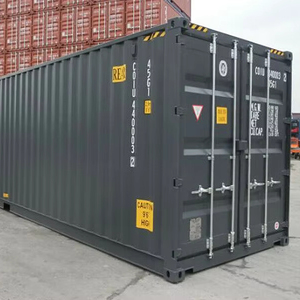
Sea Shipping Cargo Second Hand 20/40/45GP Reefer/flat Rack/open Top Containers
Heavy-duty structural steel containers designed for out-of-gauge (OOG) industrial equipment transport between major Chinese ports and Busan/Incheon.
Inquire Now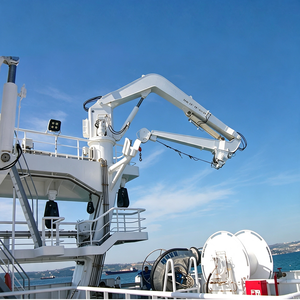
Offshore Knuckle Boom Marine Crane High Flexibility Hydraulic Ship Crane
High-torque hydraulic articulation crane built for vessel cargo maintenance, ship-to-ship transfer, and harsh maritime environments across Korean shipyards.
Inquire Now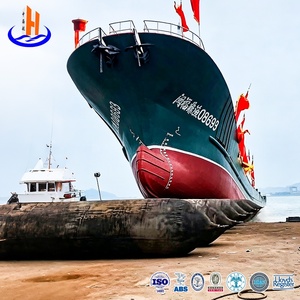
ZHH Heavy-Duty Rubber Oil Rig Barge Transfer Airbags Flotation Units
Multi-layer synthetic tire-cord reinforced rubber airbags with exceptional tensile strength for vessel launching, barge transfer, and floating platform stabilization.
Inquire Now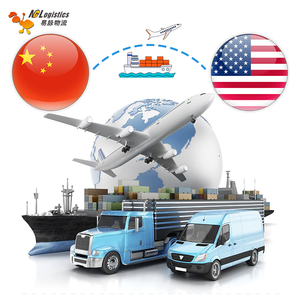
Dangerous Cargo Shipping Container Sea Freight Hazardous Goods Services
Fully compliant Class 3, 6, 8, and 9 hazardous material handling, certified isolation packaging, and global ocean freight forwarding with safety clearance.
Inquire Now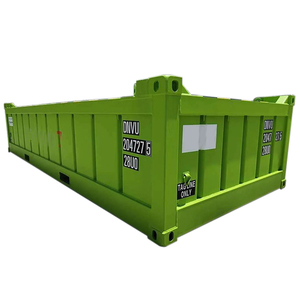
DNV Offshore Basket Portable Tank Van Container for Oil Rig Logistics
Engineered offshore cargo carrying units (CCUs) verified under DNV 2.7-1 / EN 12079 standards for offshore rig tools, chemical transport, and subsea gear.
Inquire Now
Heavy Machinery Sea Freight & Industrial Equipment Spare-Parts Logistics
End-to-end heavy-lift breakbulk chartering, heavy modular trailer (SPMT) transport, and precision lashing for rotary kilns, turbines, and factory equipment.
Inquire Now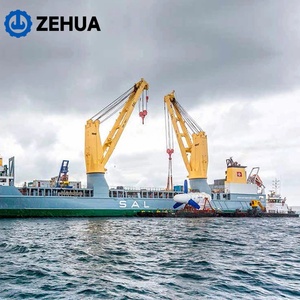
5t-70t Heavy-Duty Deck Mounting Cranes for Tankers & Platforms
Marine-grade corrosion-resistant pedestal cranes suitable for commercial fishing fleets, chemical tankers, container vessels, and offshore oil platforms.
Inquire Now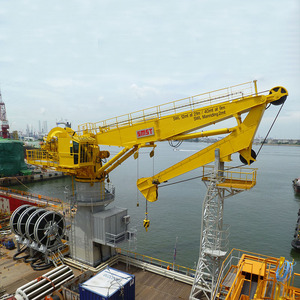
High Performance Marine Knuckle Crane for Offshore Cargo Handling
Compact footprint hydraulic deck cranes engineered for maximum radius flexibility, high wave-state stability, and continuous duty marine operations.
Inquire NowStrategic China-Korea Heavy Equipment Sourcing & Supply Chain Integration
The industrial bilateral trade corridor between China’s heavy manufacturing hubs (such as Jiangsu, Shandong, Zhejiang, and Liaoning) and South Korea’s advanced manufacturing clusters (Ulsan, Geoje, Pyeongtaek, and Daesan) represents one of the most technologically demanding logistics ecosystems in the Asia-Pacific region. As Korean EPC (Engineering, Procurement, and Construction) conglomerates and marine operators scale up projects in offshore wind energy, LNG carrier shipbuilding, and mega-semiconductor fab expansions, the demand for high-reliability heavy machinery, marine cranes, DNV-certified offshore containers, and heavy-lift logistics infrastructure has reached an unprecedented peak.
Procuring heavy equipment from Chinese OEM factories for deployment in Korea requires navigating complex technical parameters, international maritime safety standard compliance (ISO, IMO, DNV GL, ABS), and precise transport engineering. Heavy equipment cargo cannot be treated as standard containerized freight. Out-of-gauge (OOG) machinery, heavy-lift deck cranes up to 70-ton capacity, and subsea platform transfer equipment require custom lashing design, structural stress calculations, certified rig bags, and specialized ocean vessels (such as Ro-Ro, Breakbulk, or Heavy Lift Carriers).
Factory-Direct Quality Inspections
Rigorous pre-shipment structural audits, hydraulic pressure testing, and anti-corrosion coating verifications at Chinese manufacturing plants prior to port loading.
DNV 2.7-1 & ISO Compliance
Full documentation verification for offshore baskets, marine knuckle boom cranes, and hazardous containers meeting international DNV, ABS, and ClassNK marine standards.
End-to-End Multimodal Transport
Single-accountability handling from Chinese factory pick-up, port staging in Shanghai/Qingdao, to vessel chartering and final delivery at Busan or Incheon dry docks.
Localized Industrial Application Scenarios Across South Korea
To understand the operational intent behind heavy equipment procurement, it is essential to map products directly to South Korea's premier industrial infrastructure projects. Sourcing requirements differ vastly depending on whether equipment is destined for offshore marine installation, onshore petrochemical facility maintenance, or semiconductor factory cleanroom staging.
| Korean Industrial Sector | Primary Target Location | Required Equipment & Cargo Solutions | Operational Logistics Standard |
|---|---|---|---|
| Shipbuilding & Marine Offshore | Ulsan, Geoje Island, Yeosu | Knuckle Boom Marine Cranes (5t-70t), Airbag Transfer Units, Deck Winches | DNV 2.7-1 offshore certification, marine anti-salt spray coating, zero-slip lashing. |
| Offshore Wind & Floating Energy | Jeonnam (Sinan), Jeju Offshore | DNV Offshore Baskets, Heavy Lift Flotation Units, Hydraulic Deck Handling Cranes | ABS / DNV GL class approval, heavy sea-state dynamic load factors, high-tensile rigging. |
| Semiconductor & Cleanroom Build | Pyeongtaek, Yongin Complex | Specialized 40ft/45ft Open Top & Flat Rack Containers, Precision Spare Parts Logistics | Climate-controlled shipping, anti-vibration air-ride lowbed transit, dust-free sealing. |
| Petrochemical & Energy Refineries | Daesan, Gwangyang, Incheon Port | IMO Class Hazardous Goods Containers, Heavy Machinery Sea Freight, Rotary Parts | IMO Hazmat Class 3/8/9 compliance, certified spill containment, direct port-to-plant haulage. |
For instance, in the mega-shipyards of Ulsan and Geoje, shipbuilders frequently source Offshore Knuckle Boom Marine Cranes and heavy-duty rubber flotation airbags from certified Chinese manufacturers to support barge transfer operations and vessel deck outfitters. These components require specialized ocean transportation via open-top or flat-rack containers, ensuring that boom assemblies and hydraulic power units (HPUs) remain protected against salt spray degradation while preserving structural alignment during sea transit.
Emerging Localized Development Trends in China-Korea Heavy Freight
The cross-border logistics landscape between China and Korea is undergoing a rapid evolution driven by three main macro factors: stringent international decarbonization policies, digitizing customs compliance frameworks, and an increase in modular prefabricated industrial construction.
1. Decarbonization & Green Shipping Corridors: Korean maritime authorities and port operators at Busan (BPA) and Incheon (IPA) are actively incentivizing green vessel operations. Sourcing heavy equipment now involves calculating the carbon intensity indicator (CII) of sea freight routes. Utilizing dual-fuel breakbulk vessels and optimizing cargo stowage ratios via 45ft high-cube and flat-rack containers significantly reduces emissions per freight ton-mile.
2. Accelerated Customs Clearance & Electronic Data Interchange (EDI): South Korea’s Korea Customs Service (UNI-PASS) requires complete transparency on industrial machinery imports, including tariff classifications under HS Codes, KC certification exemptions for capital goods, and precise hazardous chemical manifest reporting. Partnering with logistics providers who manage in-house licensed clearance prevents costly port demurrage and customs holds.
3. Modular Breakbulk vs. Standardized Containerization: Modern factory builds increasingly rely on prefabricated modular units. Procurement managers must carefully balance the trade-offs between chartering full breakbulk vessels for oversized equipment and disassembling machinery to fit inside specialized 40ft/45ft Open Top or Flat Rack containers equipped with certified lashing points.
Our Enterprise Core Competencies & Technical Execution Framework
Built upon decades of specialized heavy freight forwarding, engineering logistics, and international trade compliance expertise, our organization operates as a single point of accountability for complex China-to-Korea procurement operations. Rather than handing off freight to multiple fragmented sub-contractors, we manage the entire life cycle of your shipment through a unified operational command structure.
In-House Customs Brokers
Direct licensed customs specialists who process import filings prior to vessel arrival, ensuring zero-demurrage releases at Korean container terminals.
Company-Owned Fleet & Heavy SPMTs
Maintained lowbed trailers, hydraulic multi-axle modular transporters (SPMT), and heavy cranes for seamless port-to-site land transportation within Korea.
24/7 Control Tower Tracking
Continuous monitoring of active ocean sailings, harbor berth status, and road transport permits with automated proactive milestone notifications.
By eliminating operational seams between factory pickup, export documentation in China, maritime shipping, and Korean customs clearance, we guarantee predictable lead times, transparent landed cost structures, and complete risk mitigation for your high-value capital assets.
Frequently Asked Questions by Korean Equipment Buyers & Importers
Optimize Your Heavy Equipment Sourcing & Korea Logistics Corridor Today
Consult with our senior logistics engineers and procurement specialists to receive tailored route surveys, lashing calculations, and complete landed cost quotes for your China-to-Korea heavy equipment projects.
Inquire Now